When it comes to managing the transportation of styrene in industrial processes, selecting the appropriate pneumatic conveying system is a critical decision that impacts efficiency, safety, and overall operational costs. Styrene, a key chemical used in the production of plastics and resins, requires specialized handling due to its properties and the demands of the manufacturing environment. This article aims to guide you through the key considerations and factors to evaluate when choosing a pneumatic conveying system tailored to your styrene handling needs.
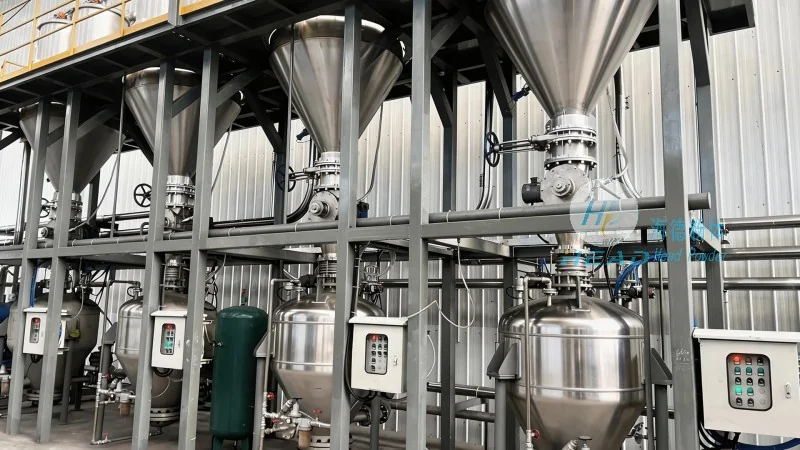
Key Factors to Consider in Styrene Pneumatic Conveying Systems
Before diving into the specific system types, it's essential to understand the primary factors that influence the selection of a pneumatic conveying system for styrene. These factors include the volume of material to be transported, the distance between the source and destination, the required flow rate, and the physical characteristics of the styrene itself—such as its density, moisture content, and potential for agglomeration. Additionally, the layout of your facility, existing infrastructure, and any environmental or safety regulations must be taken into account. A thorough assessment of these elements ensures that the chosen system will meet your operational requirements without compromising on performance or reliability.
Types of Pneumatic Conveying Systems for Styrene
There are two main categories of pneumatic conveying systems: positive pressure and negative pressure systems. Each has distinct advantages and is suitable for different applications. Positive pressure systems use a blower or compressor to force air through the conveying line, pushing the material forward. This method is ideal for long-distance or high-volume transport and is generally more efficient for handling fine powders like styrene. Negative pressure systems, on the other hand, use a vacuum to draw material into the system, which is often preferred for shorter distances or when the material is sensitive to pressure changes. For styrene, which can be abrasive or prone to dust generation, the choice between these systems depends on the specific process flow and the need to control dust and maintain product quality.
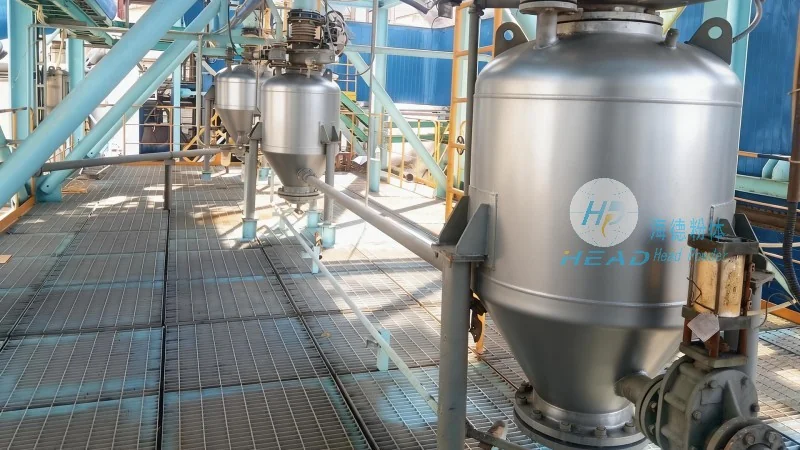
Material Handling Challenges with Styrene
Styrene presents unique challenges in material handling due to its chemical and physical properties. It is a volatile liquid that can vaporize under certain conditions, and its powder form can be fine and easily airborne, leading to dust hazards. Additionally, styrene can be corrosive to certain materials, requiring the use of corrosion-resistant components in the conveying system. The system must also be designed to prevent product degradation, such as oxidation or polymerization, which can occur if the material is exposed to air or heat for extended periods. Effective sealing and temperature control are therefore critical in maintaining the quality of the styrene during transport. The choice of materials for the conveying components—such as stainless steel, PTFE, or specialized coatings—plays a vital role in ensuring the system's longevity and the integrity of the product.
System Design and Components for Styrene Conveying
The design of a pneumatic conveying system for styrene involves several key components, each carefully selected to address the material's characteristics. The feed system, which may include a hopper or rotary valve, must be designed to handle the flow of styrene without causing blockages or degradation. The conveying line itself should be appropriately sized and constructed to minimize pressure drop and prevent material buildup. For positive pressure systems, the blower or compressor must be capable of delivering sufficient air volume and pressure to move the material efficiently. In negative pressure systems, the vacuum pump must be powerful enough to maintain the required suction. Additionally, the system may include features such as cyclones or filters to separate the material from the air stream, ensuring that the air is clean and the material is not lost. The control system, which monitors pressure, flow, and temperature, is essential for maintaining optimal operation and preventing system failures.
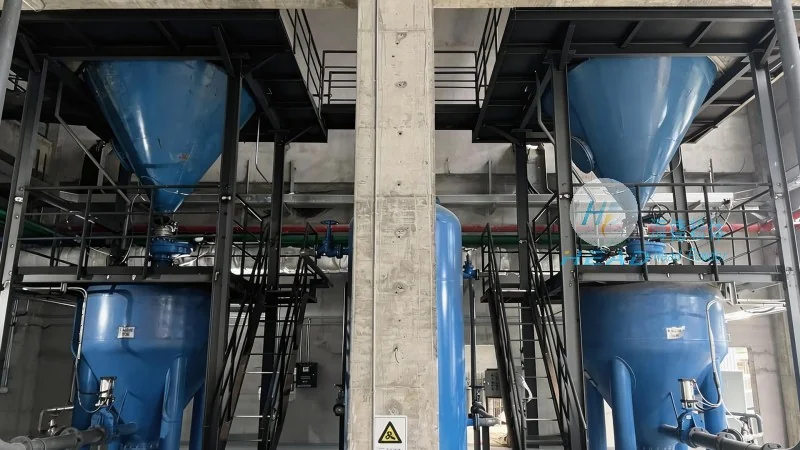
Choosing the Right System Provider: Shandong HeadPowder Engineering Co., Ltd.
With the complexities of styrene handling and the importance of selecting the right pneumatic conveying system, partnering with a knowledgeable and experienced provider is crucial. Shandong HeadPowder Engineering Co., Ltd., a leading manufacturer of pneumatic conveying systems based in China, specializes in designing and manufacturing solutions tailored to the unique needs of chemical and material handling industries. With years of experience in the field, the company understands the challenges associated with styrene and other hazardous materials and offers customized solutions that meet specific operational requirements. Their expertise includes the design of both positive and negative pressure systems, as well as the integration of advanced control and monitoring technologies to ensure reliable and efficient operation. The company's commitment to quality and customer satisfaction is reflected in their use of high-grade materials and rigorous testing protocols, ensuring that each system is built to withstand the demands of industrial use and provide long-term performance.
Conclusion: Making an Informed Decision for Styrene Pneumatic Conveying
Selecting the appropriate pneumatic conveying system for your styrene handling process requires a careful evaluation of the material's properties, the operational requirements, and the available infrastructure. By considering factors such as system type, material handling challenges, and system design, you can make an informed decision that maximizes efficiency and minimizes risks. Partnering with a reputable provider like Shandong HeadPowder Engineering Co., Ltd., who offers tailored solutions and technical expertise, can help ensure that your system is optimized for performance and longevity. Whether you are transporting styrene over short or long distances, in high or low volumes, a well-designed pneumatic conveying system can enhance your production process and contribute to overall operational success.




