

What is the Pneumatic Conveying of Tungsten Carbide Powder? And What Are the Design Principles?
When it comes to handling tungsten carbide powder, efficient material transport is crucial for industrial processes. Pneumatic conveying offers a reliable solution, and understanding its principles and design is key to optimizing operations. This article explores the fundamentals of tungsten carbide powder pneumatic conveying and the core design principles that ensure effective material movement, with insights from Shandong HeadPowder Engineering Co., Ltd., a leading provider of specialized material handling solutions.
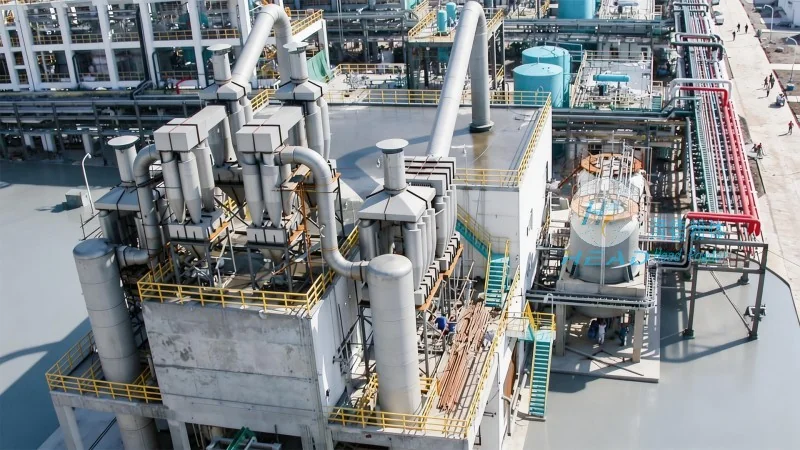
Understanding Pneumatic Conveying for Tungsten Carbide Powder
Pneumatic conveying involves transporting bulk materials like tungsten carbide powder using a gas stream, typically air. This method eliminates the need for mechanical components such as screws or belts, reducing wear and maintenance costs. The process relies on creating a pressure differential or using vacuum to move the powder through a pipeline. For tungsten carbide, which is often abrasive and has specific handling requirements, the design of the conveying system must address these challenges to prevent material degradation and equipment damage.
The Core Design Principles of Tungsten Carbide Powder Pneumatic Conveying
Several key design principles are essential for an effective tungsten carbide powder pneumatic conveying system. First, the selection of the appropriate conveying type—whether it's dilute-phase or dense-phase—depends on the material's properties and the distance to be covered. Dilute-phase systems use higher air velocities and are suitable for shorter distances, while dense-phase systems operate at lower velocities, ideal for longer distances and more delicate materials. For tungsten carbide, which can be abrasive, dense-phase conveying is often preferred as it reduces particle impact and wear on the system components.
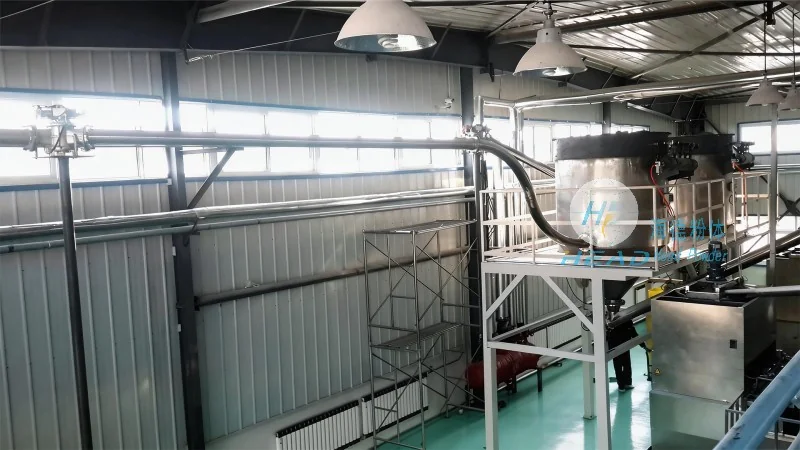
Key Components and Their Roles in the System
The successful operation of a tungsten carbide powder pneumatic conveying system relies on several critical components. The conveying line is the main pipeline through which the powder and air travel. It must be constructed from materials resistant to abrasion, such as stainless steel or specialized alloys, to withstand the wear from tungsten carbide particles. The air source, typically a blower or compressor, provides the necessary pressure or vacuum to move the material. The feed system ensures the powder is introduced into the line smoothly, preventing blockages or uneven flow. For tungsten carbide, which can be cohesive, a feeder like a rotary valve or a star feeder is often used to maintain consistent material flow. The separator or receiver at the end of the line separates the powder from the air, allowing for safe and efficient material discharge.
Design Considerations for Abrasive Materials
Handling tungsten carbide powder requires special attention to abrasion resistance and material compatibility. The system's components must be selected to minimize wear from the abrasive particles. For example, the conveying line may use lined pipes or wear-resistant coatings to extend its lifespan. The air source and feed equipment should also be designed to handle the high wear rates associated with tungsten carbide. Additionally, the system's design should consider the particle size distribution of the tungsten carbide powder, as larger particles may require higher air velocities to prevent settling or blockages.
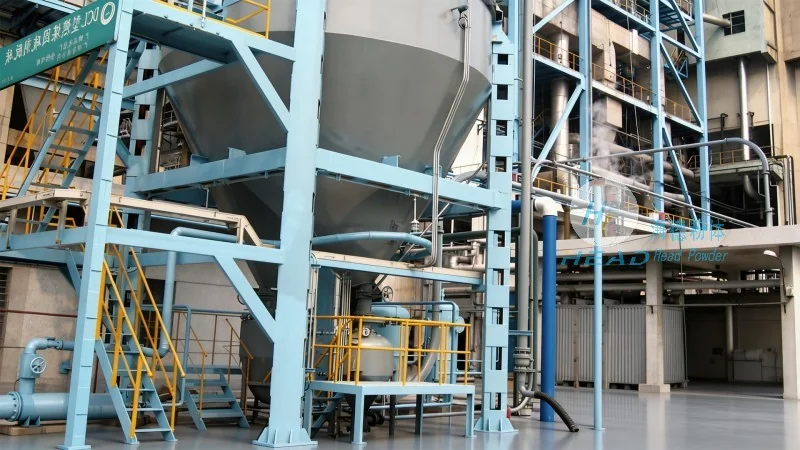
Expert Insights from Shandong HeadPowder Engineering Co., Ltd.
Shandong HeadPowder Engineering Co., Ltd., commonly known as HeadPowder, specializes in designing and manufacturing advanced pneumatic conveying systems for abrasive materials. With years of experience in the industry, HeadPowder understands the unique challenges of handling tungsten carbide powder, such as its high hardness and abrasive nature. The company's engineers focus on creating systems that are durable, efficient, and tailored to the specific needs of each application. By leveraging their expertise, HeadPowder helps clients optimize their material handling processes, reduce costs, and improve overall productivity.
Applications and Benefits of Tungsten Carbide Powder Pneumatic Conveying
Tungsten carbide powder pneumatic conveying is widely used in various industrial applications, including manufacturing of cutting tools, wear-resistant components, and aerospace parts. The benefits of this method include improved safety by eliminating manual handling of powders, reduced contamination from dust, and enhanced process control. By using a well-designed pneumatic conveying system, manufacturers can achieve consistent material flow, reduce downtime due to equipment wear, and maintain product quality. The efficiency of the system also contributes to lower operational costs over time, making it a preferred choice for handling abrasive materials like tungsten carbide.