HeadPowder, a leading engineering company based in Shandong, China, specializes in advanced material handling solutions tailored for the battery manufacturing industry. This article explores the principles of pneumatic conveying for positive and negative electrode materials, along with the key characteristics of working scenes where this technology is applied.
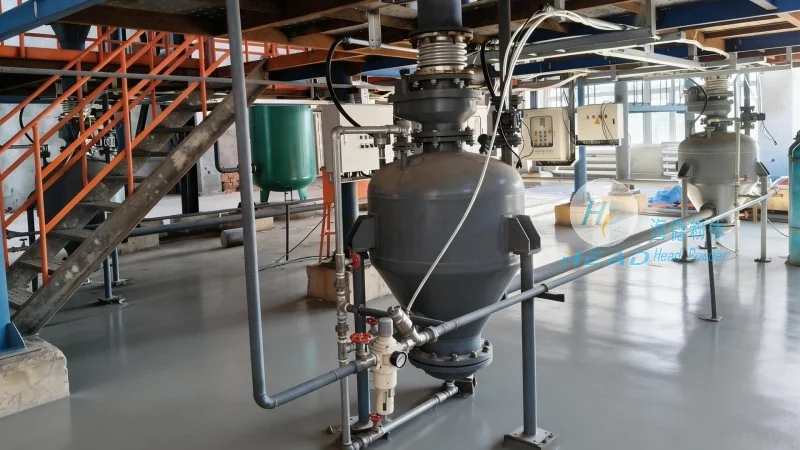
Pneumatic Conveying: Core Principles for Electrode Material Transport
Pneumatic conveying is a method of transporting bulk materials through a pipeline using a stream of air or other gas. In the context of battery production, this technology is crucial for moving positive and negative electrode powders from storage to processing equipment efficiently and safely. The fundamental principle involves creating a pressure differential within the conveying system, which propels the material through the pipeline. There are two primary types of pneumatic conveying systems: pressure and vacuum. Pressure systems use compressed air to push material forward, while vacuum systems use a vacuum to pull material from the source. For high-value and sensitive materials like battery electrode powders, pressure systems are often preferred due to their ability to maintain material integrity and prevent contamination.
Working Scene Characteristics: Application in Battery Production Lines
The working scenes where pneumatic conveying is utilized for electrode materials typically involve complex battery manufacturing facilities. These environments require precise control over material flow, as even minor variations can impact battery performance and quality. The key characteristics of these working scenes include:
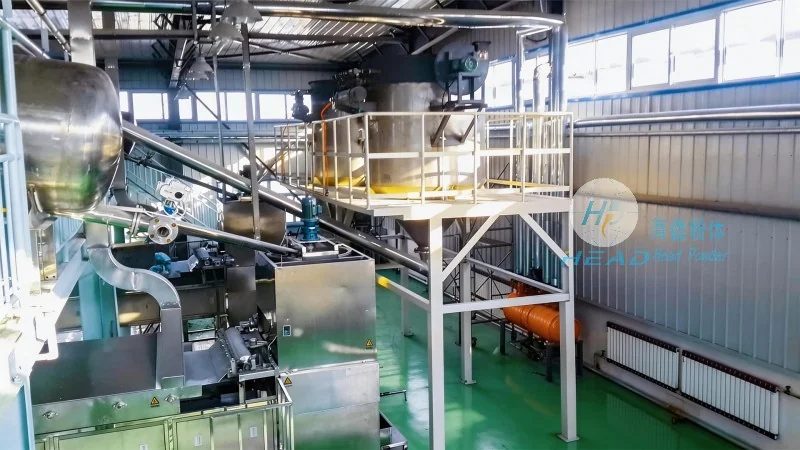
1. **High-Precision Material Handling**: Battery electrode powders are often fine and sensitive, requiring systems that minimize particle degradation and agglomeration. Pneumatic conveying systems are designed with smooth internal surfaces and low-pressure differentials to preserve material properties.
2. **Integration with Automated Processes**: Modern battery production lines are highly automated, and pneumatic conveying systems are integrated with other equipment such as mixers, extruders, and coating machines. This integration ensures seamless material transfer from storage to processing stages, reducing downtime and improving operational efficiency.
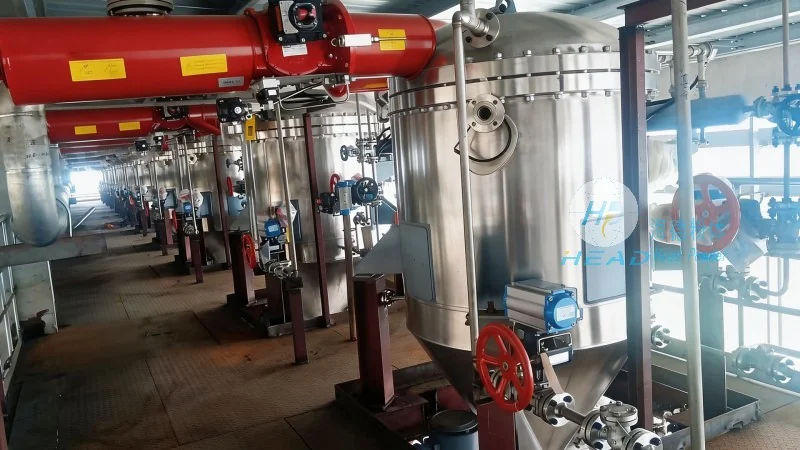
3. **Safety and Environmental Considerations**: The handling of electrode materials involves considerations for dust control and environmental protection. Pneumatic conveying systems are equipped with dust collection and filtration units to ensure compliance with safety regulations and maintain a clean working environment.
4. **Scalability and Flexibility**: Battery manufacturers often need to scale production or adjust material types. Pneumatic conveying systems can be designed to accommodate different material properties and flow rates, providing flexibility in production planning.
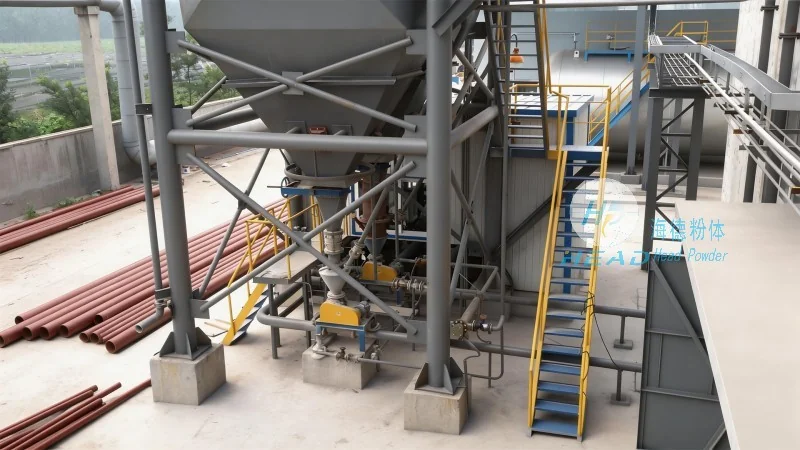
HeadPowder's Expertise in Electrode Material Conveying Solutions
As a specialized engineering company, HeadPowder offers tailored pneumatic conveying solutions for the battery industry. Our expertise lies in designing and implementing systems that meet the specific requirements of positive and negative electrode material transport. By leveraging advanced engineering and material science knowledge, we ensure that our solutions are efficient, reliable, and compatible with the stringent standards of battery manufacturing.
HeadPowder's commitment to quality and innovation is reflected in our comprehensive approach to material handling. We work closely with clients to understand their production needs and provide customized solutions that enhance operational performance and product quality. Our team of experienced engineers and technicians is dedicated to delivering solutions that meet the evolving demands of the battery industry.




