

What is Dry Pebble Powder Pneumatic Conveying? And What Are Its Design Principles?
Understanding dry pebble powder pneumatic conveying systems is essential for industries that rely on efficient material handling solutions. This technology involves the transport of dry powders and granular materials using air as the conveying medium, often enhanced with specialized components like pebble beds to improve performance and reliability.
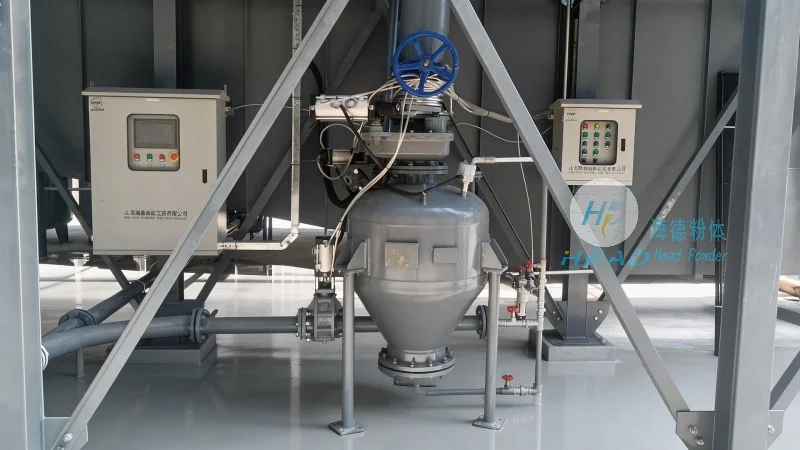
What is Dry Pebble Powder Pneumatic Conveying?
Dry pebble powder pneumatic conveying is a method of transporting dry powders and granular substances through a pipeline using pressurized air or vacuum. Unlike traditional pneumatic conveying systems, this approach incorporates a bed of pebbles or similar inert particles at the inlet or along the conveying path. The pebbles help to stabilize the flow, reduce particle segregation, and enhance the overall efficiency of the system. This technology is particularly useful for handling materials that are prone to clumping, bridging, or other flow-related issues, making it ideal for applications in pharmaceuticals, food processing, and chemical industries.
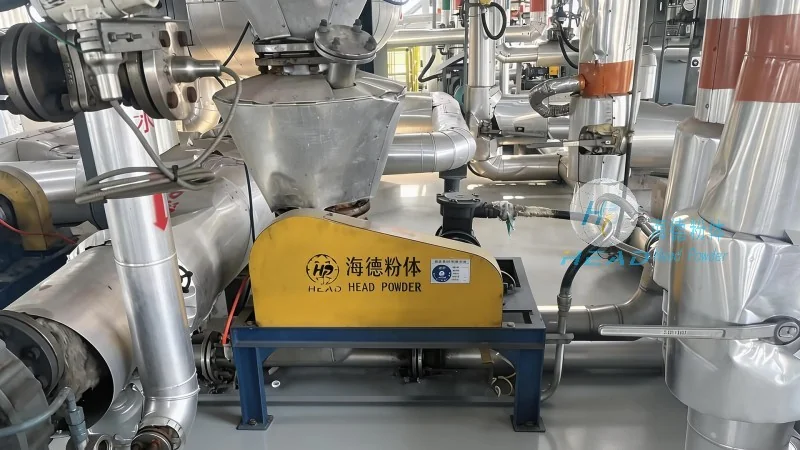
Key Design Principles of Dry Pebble Powder Pneumatic Conveying Systems
The design of dry pebble powder pneumatic conveying systems is based on several critical principles to ensure optimal performance and reliability. First, the selection of the appropriate pebble material and size is crucial. Pebbles are typically made of materials like glass, stainless steel, or other inert substances that are chemically compatible with the conveyed powders and do not introduce contaminants. The size and density of the pebbles affect the system's ability to maintain a stable flow and prevent particle degradation. Second, the system must be designed to handle the specific characteristics of the powder being conveyed, such as particle size distribution, moisture content, and flowability. This involves calculating the necessary air velocity, pressure, and conveying line dimensions to ensure that the powder and pebbles move smoothly without causing excessive wear or pressure drops. Third, the integration of components like in-line mixers, cyclones, and filters is essential for maintaining the quality of the conveyed material and preventing system blockages. These components help to separate the pebbles from the powder at the discharge point and ensure that the powder remains in a uniform state. Fourth, the system must be equipped with proper safety features, including pressure relief valves, explosion-proof designs, and monitoring systems, to protect operators and equipment from potential hazards. The design also considers the overall system layout, including the placement of the hopper, conveying lines, and discharge points, to minimize the risk of material buildup and ensure smooth operation.
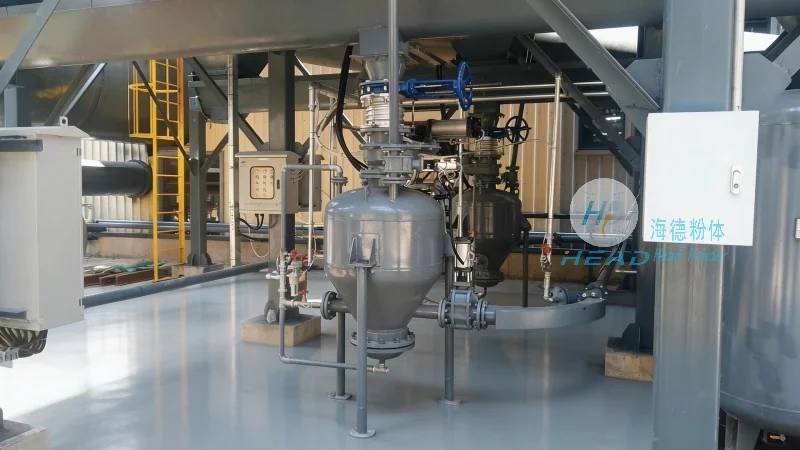
Applications and Benefits of Dry Pebble Powder Pneumatic Conveying
Dry pebble powder pneumatic conveying systems are widely used in various industries due to their ability to handle challenging materials and provide efficient, reliable transport. In the pharmaceutical industry, these systems are used to transport active pharmaceutical ingredients (APIs) and excipients, ensuring that the materials remain free-flowing and free from contamination. The pebble bed helps to prevent the powder from sticking to the walls of the conveying line, which is critical for maintaining product quality and preventing cross-contamination. In food processing, the technology is used to transport dry powders like flour, sugar, and spices, where the pebbles help to maintain the powder's texture and prevent clumping. The system's ability to handle high-purity materials makes it suitable for applications where hygiene and cleanliness are paramount. In the chemical industry, dry pebble powder pneumatic conveying is used to transport powders like catalysts, pigments, and reagents, where the system's efficiency and reliability are essential for maintaining production rates and product quality. The benefits of this technology include reduced downtime due to blockages, lower maintenance costs, and improved material handling efficiency. Additionally, the system's ability to handle a wide range of materials makes it a versatile solution for various industrial applications.
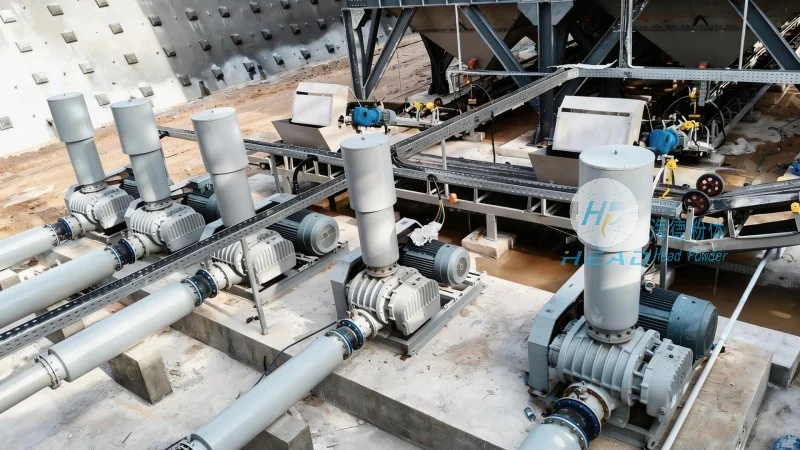
About Shandong HeadPowder Engineering Co., Ltd.
Shandong HeadPowder Engineering Co., Ltd., commonly known as HeadPowder, is a leading manufacturer and supplier of pneumatic conveying systems and related equipment. The company specializes in the design, manufacturing, and installation of dry pebble powder pneumatic conveying systems, as well as other material handling solutions. HeadPowder has a team of experienced engineers and technicians who are dedicated to providing high-quality products and services to its customers. The company's products are designed to meet the specific needs of various industries, including pharmaceuticals, food processing, and chemicals. HeadPowder is committed to using advanced technology and materials to ensure that its products are reliable, efficient, and durable. The company's headquarters is located in Shandong, China, and it serves customers both domestically and internationally. HeadPowder's goal is to provide its customers with the best possible solutions for their material handling needs, ensuring that they can operate efficiently and effectively.