

What is Carbide Slag Powder Pneumatic Conveying? And What Are Its Design Principles?
Carbide slag powder pneumatic conveying is a technology used to transport fine powders, such as carbide slag, through a pipeline using air or other gas as the conveying medium. This method is widely applied in industrial processes to efficiently move materials from one location to another without the need for mechanical components like belts or buckets. The design principles of such systems are crucial for ensuring reliable, efficient, and safe operation, especially when dealing with materials like carbide slag that may have specific handling characteristics.

Introduction to Carbide Slag Powder Pneumatic Conveying
Carbide slag, a byproduct from the production of calcium carbide, is a fine powder that requires specialized handling due to its abrasive and potentially hazardous properties. Pneumatic conveying offers a solution by utilizing air pressure to move the material through a sealed system, minimizing dust emissions and ensuring a controlled environment. This technology is essential in industries where carbide slag is processed or recycled, as it enables the material to be transported over long distances or to different processing units without compromising quality or safety.
Key Components of a Carbide Slag Pneumatic Conveying System
The design of a carbide slag powder pneumatic conveying system involves several critical components that work in tandem to achieve efficient material transport. These components include the material feed system, the conveying pipeline, the air supply system, and the control and monitoring equipment. Each component must be carefully selected and integrated to ensure the system operates optimally and safely.
Firstly, the material feed system is responsible for introducing the carbide slag powder into the conveying line. This may involve a hopper or a feeder that can handle the specific flow characteristics of the powder, preventing blockages and ensuring a consistent feed rate. The feed system is often equipped with valves and regulators to control the amount of material entering the pipeline.
Secondly, the conveying pipeline is typically made of materials that can withstand the abrasive nature of carbide slag. Materials like stainless steel or special alloys are commonly used to prevent wear and corrosion. The pipeline design includes bends, elbows, and straight sections that are optimized to minimize pressure losses and maintain the flow of the powder-air mixture.
Thirdly, the air supply system provides the necessary pressure and volume of air to move the material through the pipeline. This system includes a blower or compressor, filters to remove contaminants from the air, and pressure regulators to maintain consistent pressure. The air flow rate is carefully calculated based on the material's properties, such as particle size, density, and moisture content, to ensure effective conveying.
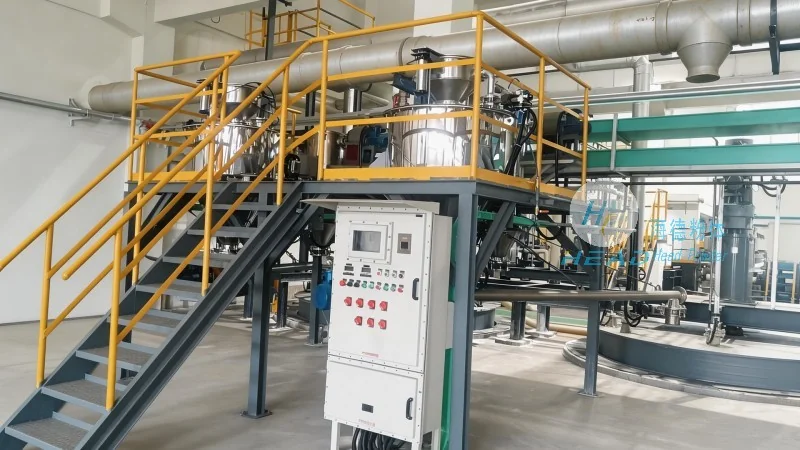
Finally, the control and monitoring equipment allows operators to manage the system's performance and detect any issues in real-time. This may include pressure sensors, flow meters, and control panels that can adjust the air supply or feed rate as needed. Proper monitoring is essential for maintaining the system's efficiency and preventing equipment damage.
Design Principles for Efficient Carbide Slag Powder Conveying
The design principles of a carbide slag powder pneumatic conveying system are based on fundamental fluid dynamics and material science principles. The primary goal is to achieve a stable and continuous flow of the powder-air mixture, which requires careful consideration of several factors. These include the material's particle size distribution, density, moisture content, and flowability, as well as the air velocity and pressure required to move the material.
One of the key design principles is the selection of the appropriate air velocity. The air velocity must be high enough to lift and transport the powder particles but not so high as to cause excessive wear on the pipeline or equipment. The critical velocity, which is the minimum air velocity required to keep the particles suspended, is determined based on the particle size and density of the carbide slag. This velocity is typically calculated using empirical formulas or experimental data to ensure the system operates within the optimal range.
Another important design principle is the consideration of pressure drop. The pressure drop along the pipeline is a measure of the energy required to move the material and is influenced by factors such as the pipeline length, diameter, and the number of bends or fittings. Designers must minimize pressure drop by optimizing the pipeline layout and selecting the appropriate diameter and material. High pressure drop can lead to reduced conveying capacity or increased energy consumption, making it a critical factor in system design.
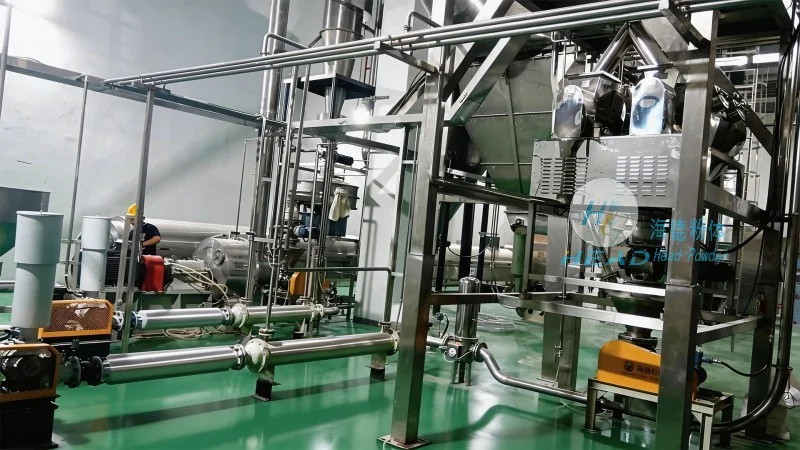
Additionally, the system design must account for the potential for material segregation or agglomeration. Carbide slag particles may have different sizes or densities, leading to segregation during transport. To prevent this, the system may include mixing devices or use a consistent feed rate to maintain a uniform mixture. Agglomeration, where particles stick together, can also occur if the moisture content is too high or the air flow is insufficient. Designers may incorporate drying or conditioning steps to address these issues and ensure smooth conveying.
Applications and Benefits of Carbide Slag Powder Pneumatic Conveying
Carbide slag powder pneumatic conveying systems are widely used in various industrial applications, particularly in the chemical and metallurgical industries. These systems are employed in processes such as material transfer from storage silos to processing units, recycling of carbide slag, and feeding of raw materials into reactors. The benefits of using pneumatic conveying for carbide slag include improved safety by reducing dust exposure, increased efficiency by minimizing material loss, and flexibility in system layout due to the ability to transport materials over long distances or around obstacles.
One of the main advantages of pneumatic conveying is its ability to handle fine powders like carbide slag without the need for mechanical components that can cause contamination or wear. This is particularly important in industries where product purity is critical, as mechanical conveyors may introduce foreign particles or contaminants. Pneumatic systems also offer better control over the material flow, allowing for precise dosing and feeding into processing equipment.
Furthermore, pneumatic conveying systems can be designed to operate in a closed loop, which helps in controlling dust emissions and maintaining a clean working environment. This is especially beneficial in facilities where environmental regulations are strict and dust control is a priority. The closed system also reduces the risk of material spillage or loss, improving overall operational efficiency.
Conclusion
Carbide slag powder pneumatic conveying is a sophisticated technology that combines engineering principles with material handling expertise to efficiently transport fine powders. The design of such systems requires careful consideration of the material's properties, system components, and operational parameters to ensure reliable and safe operation. By adhering to the design principles outlined above, industries can achieve efficient material transport while minimizing environmental impact and operational costs. As a leading provider in this field, Shandong HeadPowder Engineering Co., Ltd. specializes in designing and implementing customized pneumatic conveying solutions tailored to the specific needs of carbide slag processing and handling applications.