For agricultural and feed processing enterprises, the efficient and safe transportation of corn feed materials is a key operational challenge. Pneumatic conveying technology offers a reliable solution by utilizing air flow to transport bulk materials like corn feed, which is particularly important in feed production lines where material handling efficiency directly impacts production capacity and product quality. This article explores the fundamental principles of corn feed material pneumatic conveying and the specific characteristics of its working scenarios, providing a comprehensive understanding of this technology's application in feed processing industries. Shandong HeadPowder Engineering Co., Ltd., a professional manufacturer specializing in pneumatic conveying systems, aims to deliver efficient and reliable solutions for corn feed material transport, ensuring optimal performance in various feed processing environments.
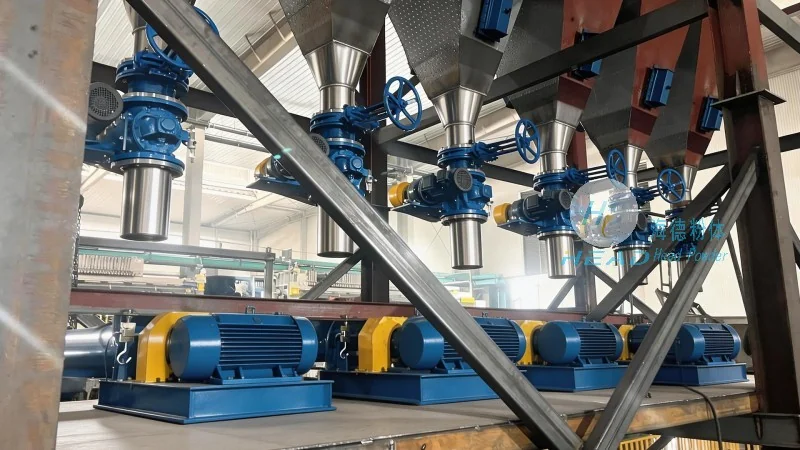
Core Principles of Pneumatic Conveying for Corn Feed Materials
The principle of pneumatic conveying for corn feed materials is based on the interaction between air flow and the material particles. The system typically consists of a material feed hopper, a conveying pipeline, a pressure or vacuum source, and a discharge device. When air is introduced into the pipeline, it creates a flow that lifts and transports the corn feed particles. The key factors influencing the conveying efficiency include air velocity, material particle size, moisture content, and the pipeline layout. For corn feed, which often has a relatively uniform particle size and moderate moisture, pneumatic conveying can achieve stable and continuous transport without the need for mechanical components that might cause material breakage or contamination. The system operates by creating a pressure differential or using a vacuum to draw the material from the source and deliver it to the destination, ensuring minimal material loss and reduced labor costs compared to traditional methods like bucket elevators or belt conveyors.
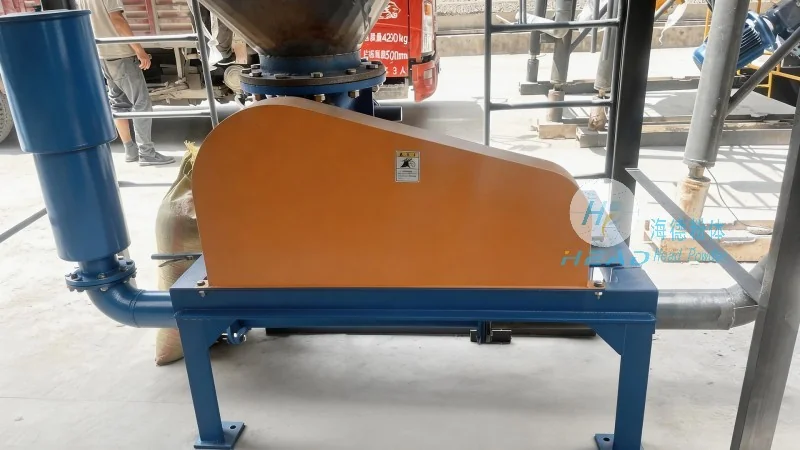
Working Scene Characteristics of Corn Feed Pneumatic Conveying
The application scenarios of corn feed pneumatic conveying systems vary based on the production scale and operational requirements of feed processing facilities. In large-scale feed mills, where high throughput is required, the system is often designed as a closed-loop or multi-stage conveying network to handle large volumes of corn feed from storage silos to processing units. The working scene characteristics include high automation, with the system integrated with the feed production line's control system, allowing for real-time monitoring of material flow and pressure. In small to medium-sized feed processing plants, the pneumatic conveying system may be used for shorter distance transport, such as moving corn feed from a storage bin to a mixer or a pelletizer. The working environment in these scenarios is typically clean and dust-free, as the closed system prevents material spillage and dust emission, which is crucial for maintaining hygiene standards in feed production. Additionally, the system's flexibility allows for easy reconfiguration to accommodate changes in production schedules or material types, making it suitable for dynamic feed processing operations.
Advantages and Considerations in Corn Feed Pneumatic Conveying
Compared to traditional mechanical conveying methods, corn feed pneumatic conveying offers several advantages that make it a preferred choice in the feed industry. The primary benefits include reduced material breakage, as the air flow minimizes impact and friction on the particles, which is vital for maintaining the nutritional value and quality of corn feed. The system also provides better control over material flow, allowing for precise dosing and mixing, which is essential for formulating high-quality feed products. Furthermore, pneumatic conveying systems are more hygienic and easier to clean, as the closed pipeline design prevents contamination from external sources and facilitates thorough sanitation procedures. However, there are also considerations to keep in mind when implementing such systems. For instance, the energy consumption of pneumatic conveying can be higher than mechanical methods, especially for long-distance or high-volume transport. Additionally, the system requires regular maintenance of air filters and pipeline components to prevent blockages and ensure consistent performance. Proper design and sizing of the system are critical to avoid issues like material segregation or excessive pressure drops, which can affect conveying efficiency.
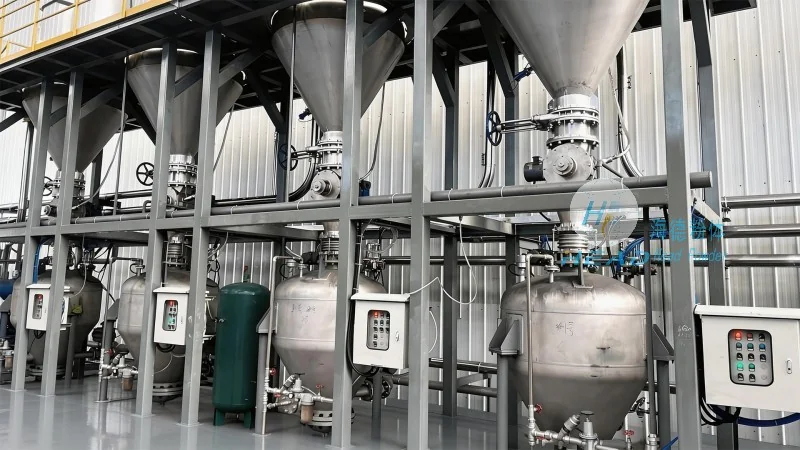
Application Examples and Practical Implementation
Real-world applications of corn feed pneumatic conveying systems demonstrate the technology's effectiveness in various feed processing scenarios. For example, in a large-scale feed mill, the system may be used to transport corn feed from a silo to a grinding unit, where the material is then processed into fine feed particles. The conveying pipeline is typically made of stainless steel to withstand the corrosive nature of feed materials and to maintain hygiene standards. The system is equipped with sensors to monitor air pressure and material flow, providing operators with real-time data to adjust the conveying parameters as needed. In another scenario, a medium-sized feed processing plant might use a pneumatic conveying system to move corn feed from a storage bin to a mixer, where it is combined with other ingredients like soybean meal and vitamins. The system's flexibility allows for the addition of new ingredients without major modifications to the existing infrastructure. Practical implementation of the system involves careful planning of the pipeline layout to minimize bends and pressure losses, as well as the selection of appropriate air velocity and pressure levels based on the material characteristics. Proper training of operators on the system's operation and maintenance is also essential to ensure long-term reliability and efficiency.




