

What is a Cement Bulk Material Conveying System Equipment? What is its Design Principle?
For industrial applications, especially in the cement industry, efficient and reliable material handling is crucial. A cement bulk material conveying system equipment plays a vital role in transporting bulk materials like cement, powders, and granules from one location to another within a production facility or between different stages of processing. This equipment ensures smooth operations, reduces downtime, and enhances overall productivity. Understanding what this system entails and its underlying design principles is essential for anyone involved in industrial material handling or facility management.
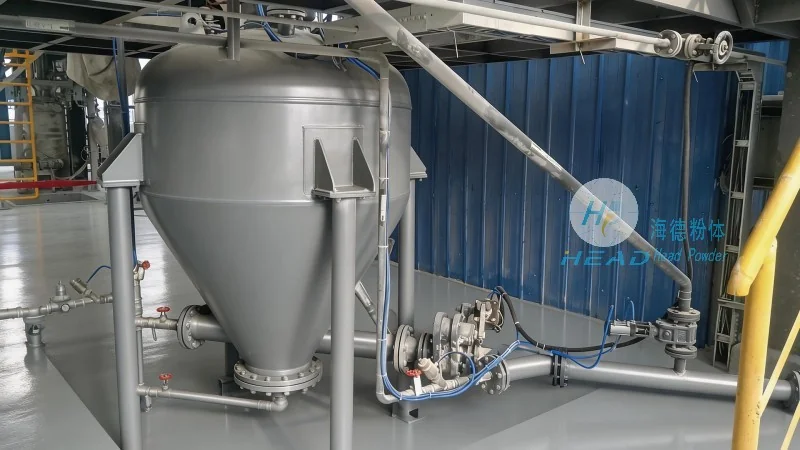
What is a Cement Bulk Material Conveying System Equipment?
A cement bulk material conveying system equipment is a specialized piece of machinery designed to transport bulk materials, primarily cement, in a continuous and controlled manner. These systems are commonly used in cement plants, construction sites, and other industrial settings where large volumes of powdered or granular materials need to be moved. The equipment typically includes components such as feeders, conveyors, hoppers, and control systems that work together to ensure the material is moved efficiently and safely. The primary goal is to minimize material loss, maintain consistent flow rates, and prevent blockages or clogging, which can lead to operational issues.
Key Components of the System
The cement bulk material conveying system consists of several key components that work in tandem to achieve effective material transport. These components include:
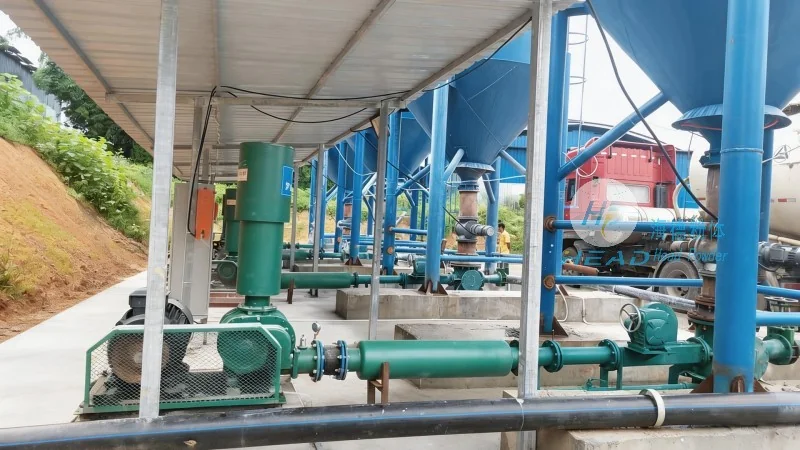
- Feeders: These devices regulate the flow of material from the source, such as a storage silo or hopper, into the conveyor system. They ensure a consistent and controlled feed rate, preventing overloading or underloading of the conveyor.
- Conveyors: The core of the system, conveyors are responsible for moving the material along the designated path. Common types include belt conveyors, screw conveyors, and pneumatic conveyors, each with its own advantages depending on the material characteristics and operational requirements.
- Hoppers and Bins: These containers store the bulk material before it is fed into the conveyor system. They are designed to hold large volumes of material and provide a stable feed to the feeder.
- Control Systems: Modern conveying systems are equipped with advanced control systems that monitor and regulate the operation. These systems can adjust the speed of the conveyor, control the feed rate, and alert operators to any issues such as blockages or system malfunctions.
Design Principles of the Cement Bulk Material Conveying System
The design of a cement bulk material conveying system is based on several fundamental principles to ensure optimal performance and reliability. These principles include:
- Material Characteristics: The design must consider the physical properties of the cement, such as its particle size, density, and flowability. For example, cohesive or sticky materials may require special feeders or conveyor designs to prevent clogging.
- Flow Rate and Capacity: The system is designed to handle the required flow rate and total capacity based on the production needs. This involves selecting the appropriate conveyor type and size to ensure it can handle the volume of material without excessive wear or energy consumption.
- Energy Efficiency: Modern designs prioritize energy efficiency to reduce operational costs. This includes using variable speed drives, optimizing conveyor lengths, and selecting energy-efficient components.
- Safety and Maintenance: The system is designed with safety features to protect operators and prevent accidents. Regular maintenance is also a key consideration, with easy access to components for inspection and repair.
Applications and Benefits
Cement bulk material conveying systems are widely used in various applications within the cement industry and related sectors. Some common applications include:
- Cement Production: Transporting raw materials and finished cement products between different stages of the production process.
- Construction Sites: Delivering cement and other bulk materials to the job site for concrete mixing and other construction activities.
- Industrial Plants: Moving bulk powders and granules in manufacturing processes, such as in chemical or food processing industries.
The benefits of using a well-designed cement bulk material conveying system include improved operational efficiency, reduced labor costs, minimized material loss, and enhanced safety. By ensuring consistent and reliable material transport, these systems contribute to overall productivity and cost savings in industrial operations.
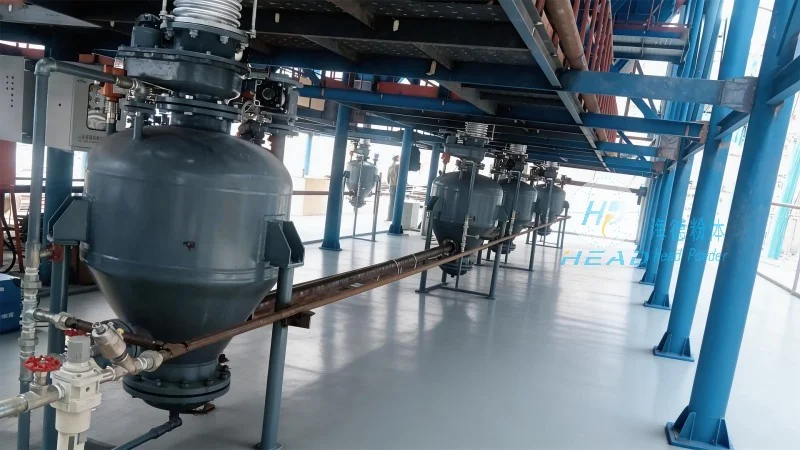
About Shandong HeadPowder Engineering Co., Ltd.
Shandong HeadPowder Engineering Co., Ltd., operating under the brand name headpowder, is a leading manufacturer of cement bulk material conveying system equipment. With a strong focus on innovation and quality, the company provides comprehensive solutions tailored to the specific needs of industrial clients. HeadPowder's products are designed to meet the highest standards of performance, reliability, and safety, ensuring long-term operational efficiency and customer satisfaction. The company's commitment to excellence and customer service has made it a trusted partner in the material handling industry, serving clients in China and beyond.
Conclusion
In summary, a cement bulk material conveying system equipment is a critical component in industrial material handling, designed to efficiently transport bulk materials like cement. Its design principles focus on material characteristics, flow rate, energy efficiency, and safety. By understanding these principles and the key components of the system, industries can select and implement the most suitable equipment to enhance their operational performance. Shandong HeadPowder Engineering Co., Ltd. stands as a reliable provider of such systems, offering high-quality solutions that meet the demands of modern industrial applications.