For industrial applications involving the handling of polyethylene powder, efficient and reliable material transport is crucial. The polyethylene powder pneumatic conveying system offers a sophisticated solution to address these needs, ensuring safe, clean, and effective material movement within processing facilities. This system is designed to handle polyethylene powder, a common plastic material used in various manufacturing processes, by utilizing air as the conveying medium.
Pneumatic Conveying Fundamentals for Polyethylene Powder
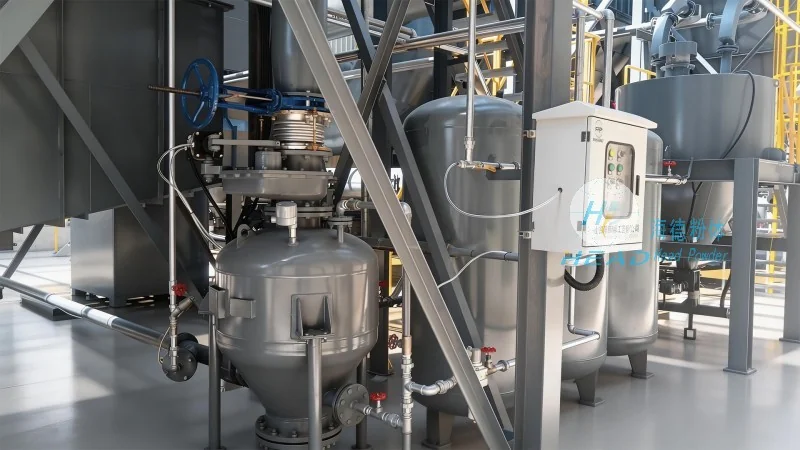
Pneumatic conveying systems operate by transporting bulk materials through a pipeline using compressed air. In the case of polyethylene powder, the system typically employs positive pressure or negative pressure (vacuum) to move the material from a source to a destination. The choice between these methods depends on factors such as the distance of transport, the volume of material, and the specific characteristics of the polyethylene powder, including its particle size, moisture content, and flowability. Positive pressure systems use air to push the material forward, while negative pressure systems use suction to draw the material through the pipeline. Both approaches are effective for polyethylene powder, but the selection influences system design, energy consumption, and operational efficiency.
Key Components of a Polyethylene Powder Pneumatic Conveying System
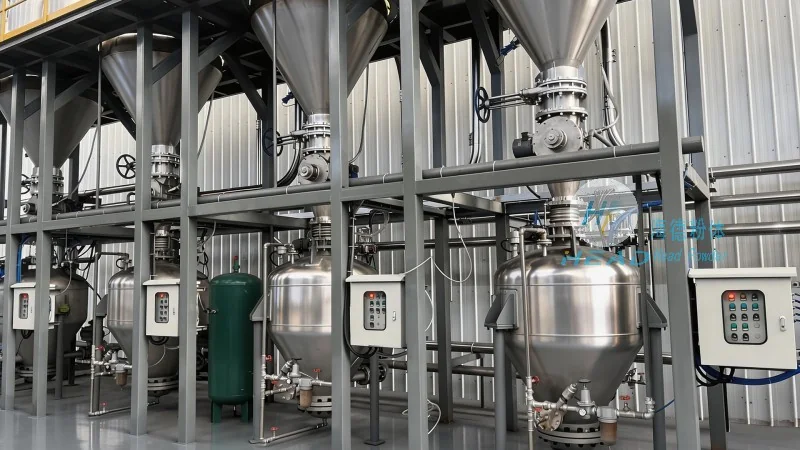
The polyethylene powder pneumatic conveying system consists of several critical components that work in tandem to ensure smooth operation. These components include the material feed hopper, which holds the polyethylene powder and regulates the flow into the system; the air compressor or vacuum pump, which provides the necessary pressure or suction; the conveying line, typically made of materials resistant to polyethylene powder and air exposure, such as stainless steel or specialized plastic; and the control system, which manages the flow of material and air to maintain optimal performance. Additionally, the system may include accessories like filters to prevent dust accumulation, cyclones for material separation, and silos or storage tanks for the final destination of the polyethylene powder.
Advantages of Using a Pneumatic Conveying System for Polyethylene Powder
Implementing a pneumatic conveying system for polyethylene powder offers numerous advantages over traditional methods like belt conveyors or manual handling. One of the primary benefits is the ability to transport polyethylene powder in a closed system, which minimizes dust exposure and improves workplace safety. This is particularly important in environments where polyethylene powder can be a respiratory hazard or cause contamination. Another advantage is the reduced risk of material degradation, as the system prevents exposure to external elements and mechanical stress that could affect the quality of the polyethylene powder. Furthermore, pneumatic conveying systems can handle polyethylene powder over longer distances with less energy consumption compared to other bulk material handling methods, making them cost-effective for large-scale operations. The system also allows for precise control over the flow rate and pressure, enabling consistent and reliable material delivery to processing equipment.
Application Examples in Polyethylene Processing
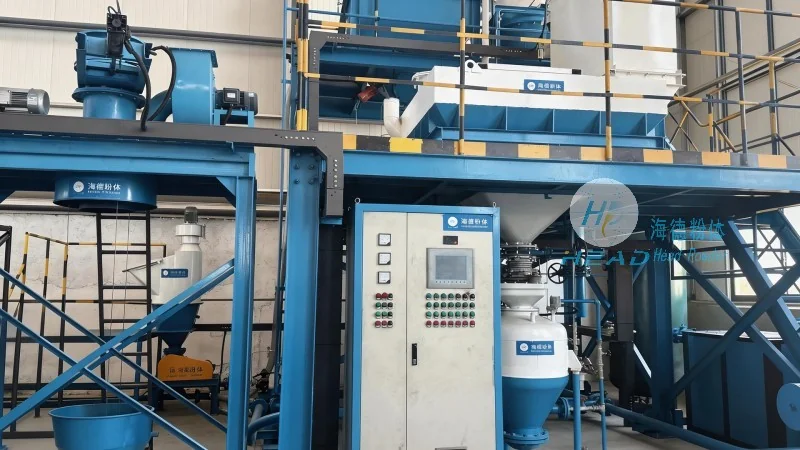
Polyethylene powder pneumatic conveying systems are widely used in various stages of polyethylene processing. For instance, in the production of polyethylene pellets or granules, the system can transport raw polyethylene powder from storage silos to extrusion machines or reactors. In recycling facilities, the system efficiently moves recycled polyethylene powder from sorting and cleaning processes to compounding or reprocessing equipment. Additionally, in chemical plants that produce polyethylene as a byproduct, the system can handle the powder from reactors to storage tanks or packaging lines. These applications highlight the versatility and effectiveness of the pneumatic conveying system in maintaining the integrity of polyethylene powder throughout the manufacturing process.
System Design Considerations for Polyethylene Powder
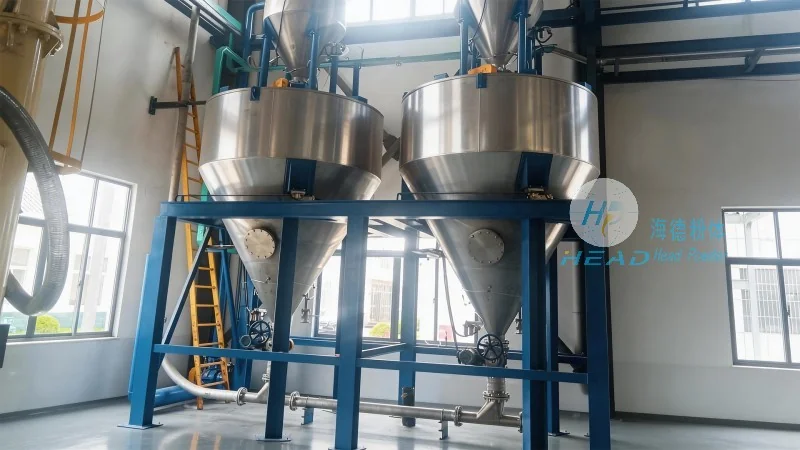
Designing an effective polyethylene powder pneumatic conveying system requires careful consideration of several factors to ensure optimal performance and longevity. The first consideration is the material of construction for the conveying line and components, as polyethylene powder can be abrasive and may cause wear over time. Stainless steel is commonly used due to its corrosion resistance and durability, while specialized plastic materials may be employed for certain applications. The second factor is the particle size and flowability of the polyethylene powder, as these characteristics affect the system's capacity and energy requirements. Coarser or less flowable powders may require higher air velocities or larger conveying lines to ensure efficient transport. The third consideration is the distance and layout of the conveying system, as the system design must account for changes in elevation and direction to maintain consistent pressure and flow. Proper system sizing and layout are essential to avoid pressure drops or material blockages, which can lead to system inefficiencies or failures.
Maintenance and Operational Tips for Polyethylene Powder Pneumatic Conveying Systems
Regular maintenance is crucial to ensure the long-term reliability and efficiency of a polyethylene powder pneumatic conveying system. Key maintenance tasks include inspecting and cleaning the conveying line and components to prevent dust buildup and blockages, checking the air compressor or vacuum pump for proper operation and maintenance, and monitoring the system's pressure and flow rates to detect any abnormalities. Additionally, it is important to replace worn or damaged parts, such as filters or seals, in a timely manner to avoid system failures. Operational tips include starting the system with the material feed closed to prevent air from escaping and ensuring that the material is properly conditioned (e.g., dried or pre-screened) before entering the system to improve flowability. By following these maintenance and operational guidelines, users can maximize the lifespan and performance of their polyethylene powder pneumatic conveying system.
Conclusion: The Role of Polyethylene Powder Pneumatic Conveying Systems
In conclusion, the polyethylene powder pneumatic conveying system is a vital component in modern polyethylene processing and handling operations. By leveraging compressed air to transport polyethylene powder efficiently and safely, the system addresses the challenges associated with traditional material handling methods. The system's advantages, including dust control, material integrity preservation, and energy efficiency, make it an ideal choice for industrial applications. As the demand for polyethylene continues to grow, the importance of reliable and effective material transport systems like the pneumatic conveying system will only increase. Companies such as Shandong HeadPowder Engineering Co., Ltd., based in China, specialize in designing and manufacturing these systems to meet the specific needs of their clients, ensuring that polyethylene powder is handled with precision and care throughout the manufacturing process.




