Rapeseed, a vital oilseed crop widely used in the production of biofuels, cooking oils, and animal feed, requires efficient and reliable transport solutions throughout its lifecycle. From the field to storage facilities and then to processing plants, the method of conveying rapeseed significantly impacts operational efficiency, product quality, and overall cost management. As industries seek to optimize their material handling processes, understanding the various conveying methods available, particularly air-pneumatic systems, becomes crucial. This article explores the different approaches to rapeseed conveying and highlights the advantages of air-pneumatic technology, providing insights into how it can enhance the efficiency and effectiveness of rapeseed handling operations.
Introduction to Rapeseed Conveying Methods
Conveying rapeseed involves moving the seed from one location to another, often over varying distances and elevations. Traditional methods include mechanical systems such as belt conveyors, screw conveyors, and bucket elevators. While these have been used for decades, they come with several limitations. Belt conveyors, for instance, rely on friction and can cause abrasion to the seed surface, potentially reducing oil quality. Screw conveyors, though effective for horizontal transport, generate heat due to friction, which may affect the seed's moisture content and germination potential. Bucket elevators, on the other hand, are suitable for vertical transport but can be noisy and require regular maintenance to prevent wear and tear. These mechanical systems also often involve high labor costs and may not be as flexible in adapting to changing production volumes.
Understanding Different Conveying Options for Rapeseed
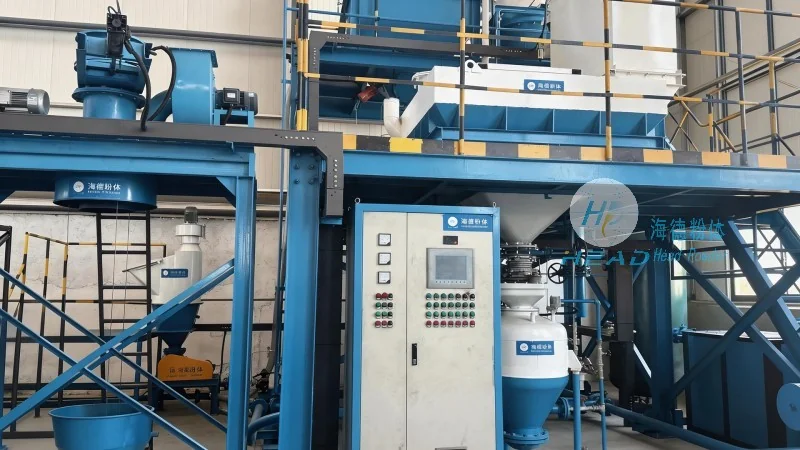
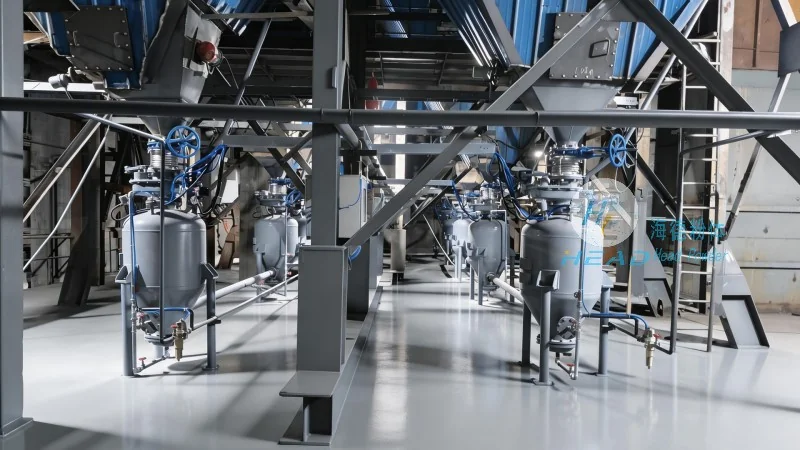
As the demand for rapeseed processing increases, the need for more advanced and efficient conveying solutions has grown. Air-pneumatic conveying, also known as pneumatic conveying, offers a modern alternative to traditional mechanical systems. This method uses air to transport solid particles, such as rapeseed, through a network of pipes. Unlike mechanical systems that rely on physical contact and movement, air-pneumatic systems operate by creating a flow of air that carries the seed particles. This approach is particularly beneficial for delicate materials like rapeseed, as it minimizes physical contact and reduces the risk of damage during transport.
The Advantages of Air-Pneumatic Conveying for Rapeseed
One of the primary advantages of air-pneumatic conveying for rapeseed is its gentle handling capability. The system uses low-pressure air to move the seed, ensuring that the particles are not subjected to excessive force or friction. This helps preserve the seed's integrity, maintaining its quality and reducing the likelihood of breakage or damage. Additionally, air-pneumatic systems are highly efficient in both horizontal and vertical transport, allowing for seamless movement of rapeseed from field storage to processing facilities without the need for multiple transfer points. This efficiency translates into reduced operational time and increased throughput, which are critical for meeting production demands.
Key Features of Air-Pneumatic Conveying Systems for Rapeseed Handling
The effectiveness of air-pneumatic conveying systems for rapeseed handling is attributed to several key features. First, the system's modular design allows for easy installation and customization to fit specific operational needs. Components such as air movers (blowers), conveying lines, and collection hoppers can be adjusted or expanded as production scales up. Second, the adjustable air flow control enables operators to optimize the conveying speed and pressure, ensuring efficient transport while minimizing energy consumption. Third, the system is highly hygienic and easy to clean, which is essential for maintaining compliance with food safety regulations in processing facilities. Finally, air-pneumatic systems are relatively low-maintenance compared to mechanical alternatives, reducing long-term operational costs and downtime.
How Air-Pneumatic Conveying Enhances Rapeseed Processing Efficiency
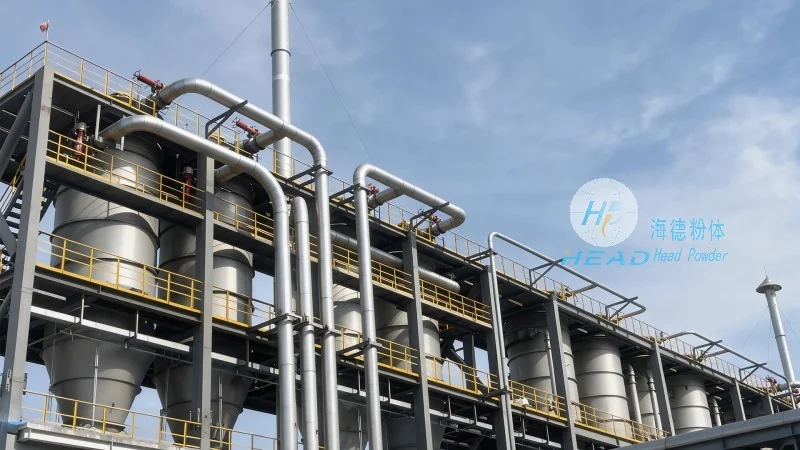
In practice, air-pneumatic conveying systems streamline the entire rapeseed processing workflow. For example, after harvesting, rapeseed can be directly transferred from field bins to storage silos using pneumatic conveyors, eliminating the need for manual handling and reducing the risk of contamination. During processing, the system can efficiently move the seed from storage to the extraction or crushing units, ensuring a continuous flow of material. This seamless integration of conveying and processing steps enhances overall plant efficiency and reduces bottlenecks that often occur with traditional mechanical systems. Companies like Shandong HeadPowder Engineering Co., Ltd., based in Shandong, China, specialize in designing and manufacturing air-pneumatic conveying systems tailored to the unique requirements of rapeseed and other agricultural products. Their expertise in engineering and material handling has enabled them to deliver solutions that improve operational efficiency and product quality for clients worldwide.
Conclusion and Company Information
As the agricultural and industrial sectors continue to evolve, the importance of efficient material handling systems for rapeseed cannot be overstated. Air-pneumatic conveying stands out as a superior solution due to its gentle handling, high efficiency, and low maintenance requirements. By choosing advanced pneumatic systems, companies can enhance their processing capabilities, reduce costs, and ensure the quality of their rapeseed products. Shandong HeadPowder Engineering Co., Ltd., with its headquarters in Shandong, China, is a leading provider of such engineering solutions, offering customized air-pneumatic conveying systems that meet the specific needs of rapeseed handling operations. Their commitment to innovation and quality has made them a trusted partner for businesses seeking to optimize their material handling processes and improve overall productivity.




