For industrial applications, especially in power plants and construction material production, the efficient handling of fly ash is crucial. Fly ash, a fine powder byproduct of coal combustion, requires specialized equipment to transport it safely and effectively. This article explores the components and design principles of a fly ash powder conveying system, highlighting the technology and engineering solutions offered by Shandong HeadPowder Engineering Co., Ltd., a leading manufacturer in the field.
Key Components of a Fly Ash Powder Conveying System
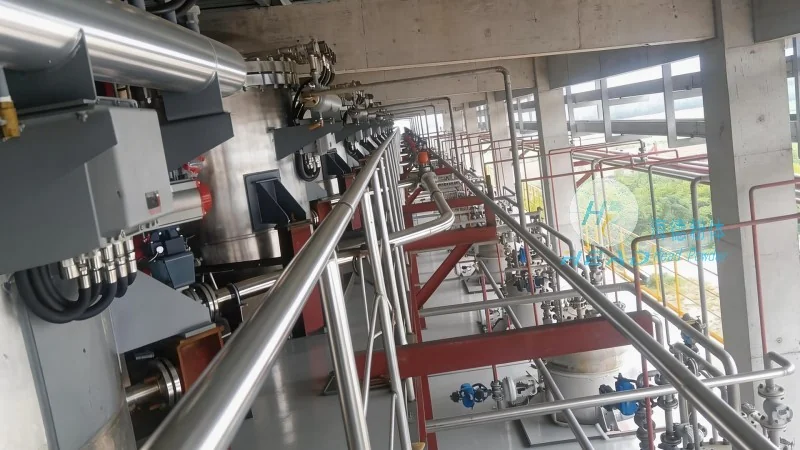
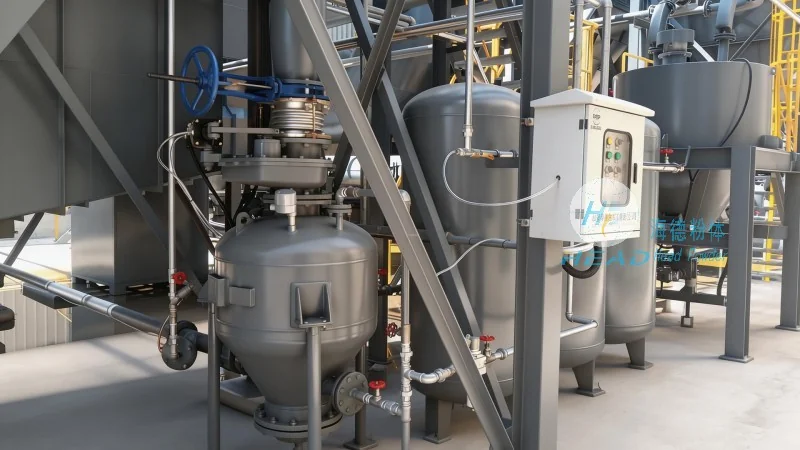
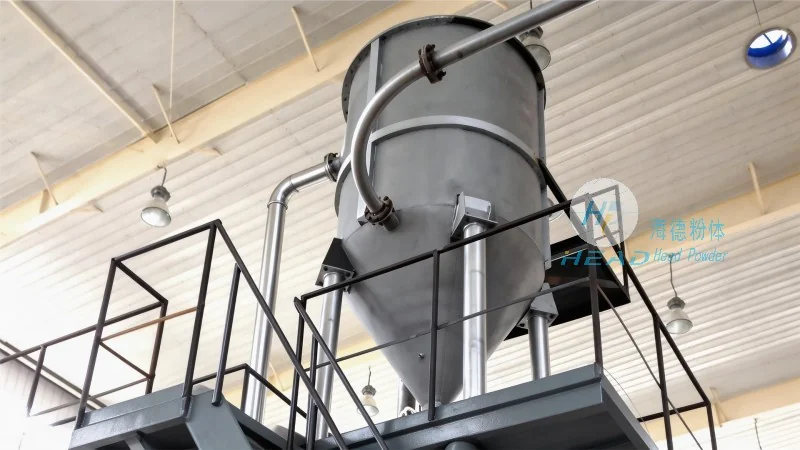
The fly ash powder conveying system typically consists of several critical components that work in tandem to ensure reliable material transport. These include feed hoppers, pneumatic or mechanical conveyors, dust collection systems, and control panels. Each component plays a vital role in the overall operation. The feed hopper is designed to store and regulate the flow of fly ash, preventing material buildup and ensuring a consistent feed rate. Pneumatic conveyors, which use compressed air to move the powder, are commonly used for long-distance or high-volume transport due to their flexibility and ability to handle fine particles without clogging. Mechanical conveyors, such as screw or belt conveyors, may be employed for shorter distances or when handling bulkier materials. Dust collection systems are essential for maintaining air quality and complying with environmental regulations, as fly ash is a fine particulate that can cause respiratory issues if not properly contained. Control panels provide operators with real-time monitoring and adjustment capabilities, allowing for precise control over the conveying process.
Design Principles for Optimal Performance
The design of a fly ash powder conveying system is guided by several key principles aimed at maximizing efficiency, safety, and reliability. One of the primary considerations is the prevention of material clogging, which can lead to system downtime and maintenance issues. Engineers use specialized materials and designs, such as smooth internal surfaces and appropriate particle size distribution, to minimize the risk of blockages. Another critical principle is the management of air pressure and flow rates. Properly calibrated pneumatic systems ensure that the air velocity is sufficient to transport the fly ash without causing excessive wear on components or energy consumption. Additionally, the system must be designed to handle the varying properties of fly ash, including its moisture content and particle size, which can affect its flow characteristics. This adaptability is crucial for maintaining consistent performance across different operating conditions. Safety is also a paramount design consideration, with features like explosion-proof components and emergency shut-off valves to protect both personnel and equipment. The integration of advanced control systems further enhances operational efficiency, allowing for automated adjustments based on real-time data from sensors and feedback mechanisms.
Engineering Solutions by Shandong HeadPowder Engineering Co., Ltd.
Shandong HeadPowder Engineering Co., Ltd. specializes in the design, manufacturing, and installation of fly ash powder conveying systems tailored to the specific needs of industrial clients. The company’s approach combines cutting-edge technology with decades of experience in powder handling, ensuring that each system is optimized for performance and durability. HeadPowder’s engineers work closely with clients to understand their operational requirements, including the volume of fly ash to be handled, the distance of transport, and any environmental or safety constraints. This collaborative process results in customized solutions that address unique challenges, such as handling high-moisture or abrasive fly ash. The company’s product line includes a range of conveying equipment, from small-scale systems for laboratory or pilot plants to large-scale industrial units capable of processing thousands of tons of fly ash per day. Each system is manufactured using high-quality materials, such as stainless steel and corrosion-resistant alloys, to withstand the harsh conditions of fly ash handling. HeadPowder also provides comprehensive after-sales support, including maintenance services, spare parts supply, and technical training, ensuring that clients can maintain optimal performance and extend the lifespan of their equipment.




