Winery solids pneumatic conveying equipment, also known as winery pneumatic conveyors, is a specialized system designed to handle the transportation of solid waste materials like grape pomace and other by-products from winemaking processes. The core of this technology lies in the pneumatic conveying principle, which utilizes air flow to move bulk materials through a pipeline network. This method offers significant advantages over traditional mechanical conveyors, particularly in environments where hygiene, dust control, and material handling efficiency are critical. Developed by Shandong HeadPowder Engineering Co., Ltd. (headpowder), this equipment is engineered to meet the stringent requirements of modern wineries.
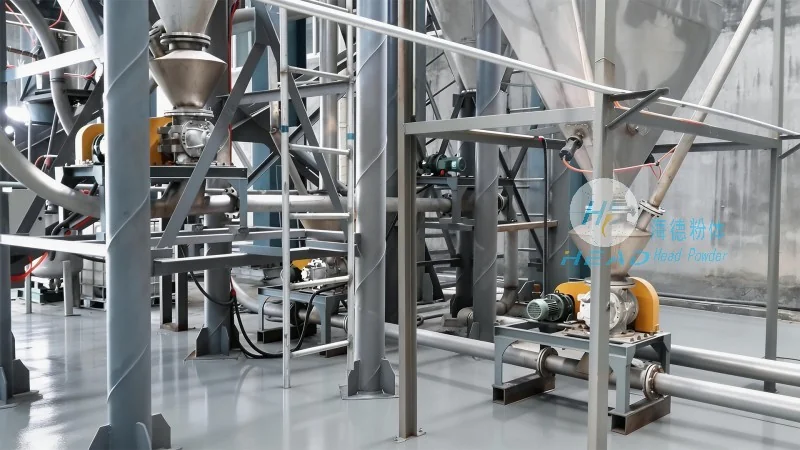
The pneumatic conveying system operates on the fundamental principle of using air pressure to transport solid materials. In a typical positive pressure system, a blower or compressor generates air pressure that forces material through the pipeline. The system includes a hopper for material storage, a feeder to regulate flow rate, and a pipeline network that directs the material to its destination. For winery applications, this closed-loop system prevents dust contamination and maintains a sanitary environment, which is essential in food processing facilities. The air flow can be adjusted to accommodate different material properties, such as the moisture content and particle size of grape pomace, ensuring consistent and reliable transport.
The working scene characteristics of winery pneumatic conveyors are tailored to the operational demands of large-scale wineries and industrial food processing plants. These systems are commonly deployed in areas where bulk material handling is required, such as from the pressing stage to waste processing units. The key advantages in such scenarios include reduced labor costs, minimized environmental impact through effective dust containment, and enhanced operational flexibility. For example, in a modern winery, the pneumatic conveyor can efficiently transport grape pomace from the pressing area to a drying or composting facility, ensuring a seamless flow of materials without the need for manual handling or open-air transport.
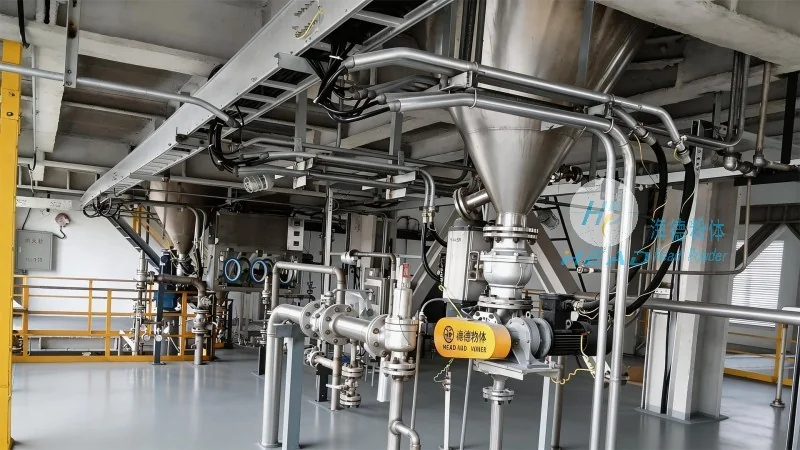
Another critical aspect is the system's adaptability to different material properties. Winery solids, such as grape skins, seeds, and stems, are typically moist and have varying particle sizes. The pneumatic conveying equipment is designed with appropriate hopper and feeder designs to handle these characteristics, ensuring consistent material flow and preventing blockages. The use of flexible or rigid pipelines allows for easy integration into existing winery layouts, minimizing construction disruptions and adapting to the evolving needs of the facility.
In practical applications, the working scene of a winery pneumatic conveyor is characterized by its integration with other processing equipment. The system often connects to the wine fermentation tanks, juice extraction machines, and waste management units, forming a cohesive material handling network. This integration ensures that the solid by-products are processed efficiently and sustainably, aligning with the industry's focus on resource optimization and environmental responsibility. The system's ability to handle high volumes of material with minimal downtime makes it a vital component in maintaining production efficiency.
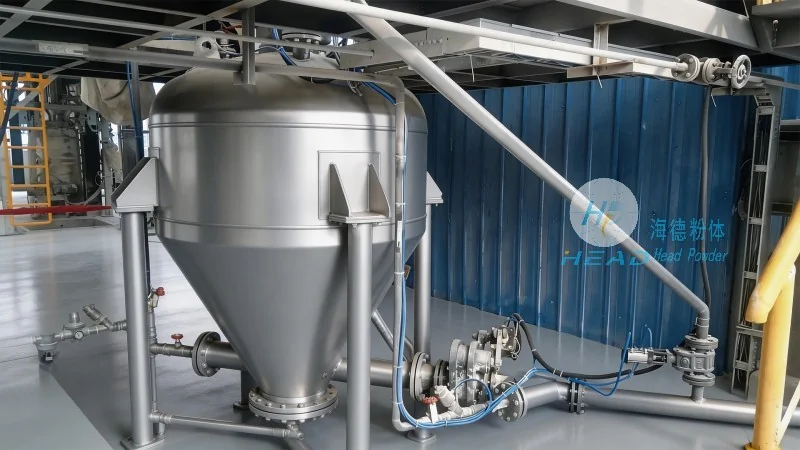
From a technical perspective, the working scene characteristics highlight the system's reliability and performance. The pneumatic conveying equipment operates with low maintenance requirements, as there are no moving parts in direct contact with the material, reducing wear and tear. The closed system design also prevents material contamination from external sources, which is crucial for maintaining product quality in winemaking. Additionally, the system's energy efficiency, compared to traditional mechanical conveyors, contributes to cost savings and environmental sustainability.
In summary, winery solids pneumatic conveying equipment combines advanced pneumatic technology with tailored design to address the unique challenges of winemaking. By leveraging positive pressure air flow and specialized components, these systems provide reliable, hygienic, and efficient material transport solutions. The working scene characteristics, including their application in large-scale wineries and integration with other processing equipment, highlight their role as a vital component in modern wine production, enabling wineries to manage solid waste effectively while maintaining operational efficiency and environmental standards. This technology represents a significant advancement in the industry, supporting sustainable and high-quality wine production processes.




