Mobile pneumatic conveying systems represent a sophisticated solution for the efficient transport of bulk materials, particularly in industrial and commercial settings. These systems are designed to move powders, granules, and other particulate materials over short to medium distances with remarkable speed and precision. The technology behind these mobile units combines principles of fluid dynamics and mechanical engineering to create a versatile and adaptable material handling solution.
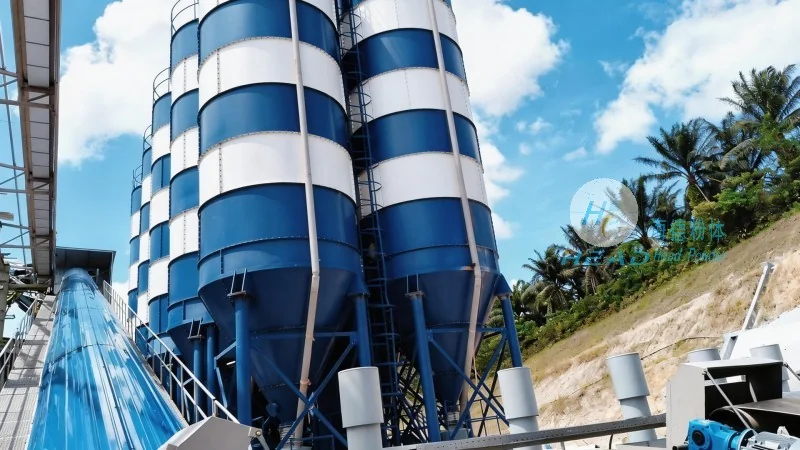
Company Overview: HeadPowder
HeadPowder, a leading manufacturer based in Shandong, China, specializes in the design, development, and production of advanced pneumatic conveying equipment. With a strong commitment to quality and innovation, the company has established itself as a trusted partner for businesses seeking reliable solutions for material transport challenges. HeadPowder's products are engineered to meet the diverse needs of various industries, ensuring durability, efficiency, and compliance with international standards.
Core Principles of Mobile Pneumatic Conveying
The fundamental principle of mobile pneumatic conveying is the use of compressed air or vacuum to move materials through a network of pipes. This method, known as pneumatic transport, operates by creating a pressure differential that propels the material forward. There are two primary modes of operation: suction (or vacuum) systems, which draw materials into the system, and pressure systems, which force materials through the pipes. Mobile units often integrate both suction and pressure capabilities, allowing for flexible operation in different scenarios.
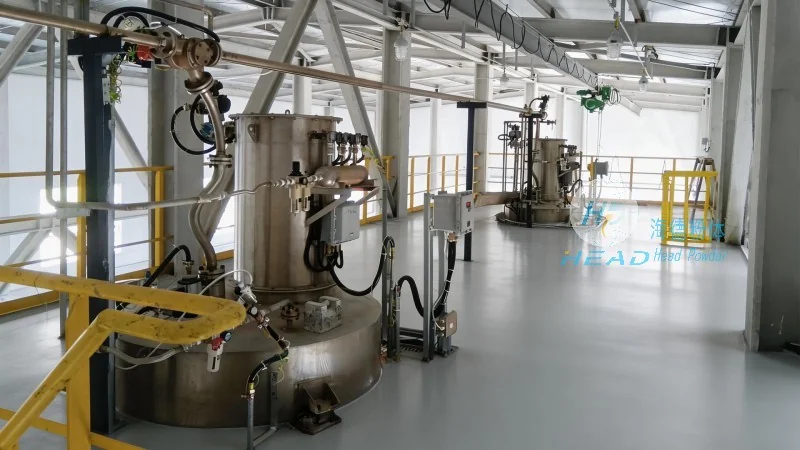
Key components of a mobile pneumatic conveying system include the conveying line (usually made of stainless steel or other corrosion-resistant materials), a high-efficiency fan or blower to generate the necessary air flow, a material separator to separate the conveyed material from the air stream, and a discharge unit for delivering the material to its destination. The system's design allows for easy mobility, with the unit often mounted on a truck or trailer, enabling it to be deployed at various job sites without the need for extensive infrastructure.
Key Working Scene Characteristics
Mobile pneumatic conveying systems are particularly well-suited for applications where traditional conveyor systems may be impractical or inefficient. For instance, in construction sites, these systems can transport cement, sand, and other building materials to different locations on-site, reducing the need for manual handling and improving workflow efficiency. In the chemical industry, they are used to move powders and granules between processing units, ensuring a clean and controlled environment. The food and pharmaceutical sectors also benefit from these systems, as they provide a hygienic and dust-free method of transporting sensitive materials.
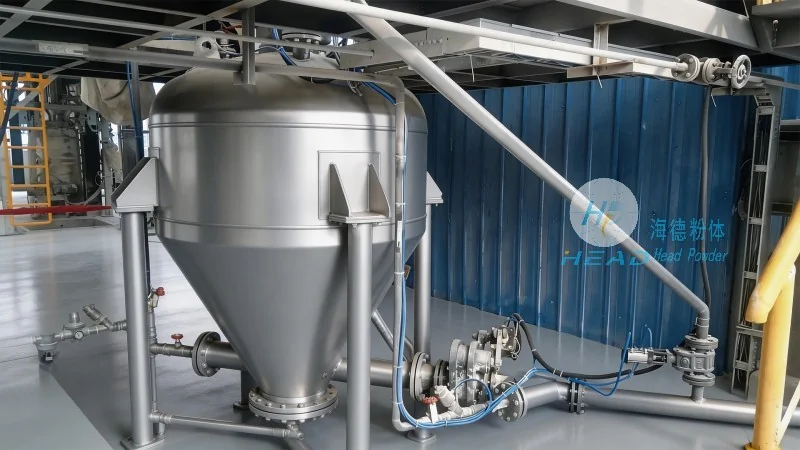
One of the standout characteristics of mobile pneumatic conveying is its adaptability to different material types and sizes. Whether dealing with fine powders like flour or larger granules such as sugar, the system can be configured to handle a wide range of particulate materials. This flexibility makes it an ideal choice for industries where material specifications may vary or where the need to switch between different products is frequent.
Technical Advantages and Practical Applications
The adoption of mobile pneumatic conveying systems offers several technical advantages that enhance operational performance. Firstly, the systems are highly efficient in terms of energy consumption, as they use compressed air to move materials, which is often more cost-effective than mechanical conveyors. Secondly, they provide a dust-free and clean operation, minimizing the risk of contamination and improving workplace safety. Additionally, the compact and mobile design of these units allows for quick setup and relocation, making them suitable for temporary or project-based work.
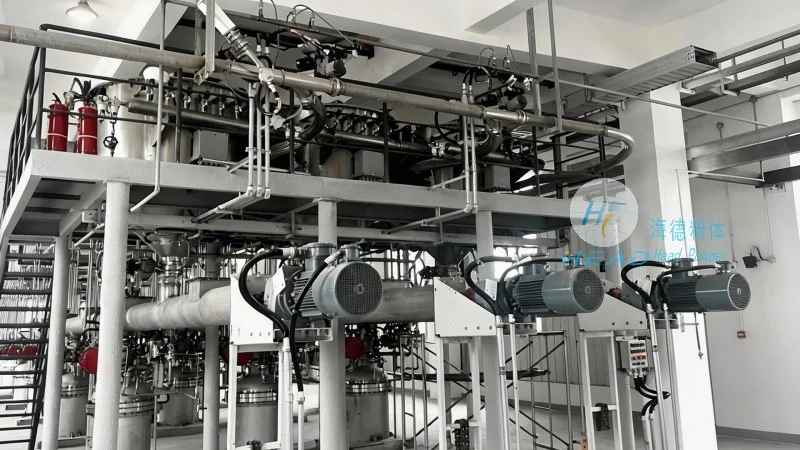
In practical terms, mobile pneumatic conveying systems have been successfully implemented in a variety of applications. For example, in agricultural settings, they are used to transport grain from storage silos to processing facilities. In the mining industry, they help move ore and other minerals from extraction sites to processing plants. The versatility of these systems also extends to waste management, where they can be used to transport solid waste materials to disposal or recycling facilities.
Overall, mobile pneumatic conveying systems represent a modern and effective solution for material handling challenges. By leveraging the principles of pneumatic transport and integrating advanced engineering, these systems provide businesses with a reliable, efficient, and adaptable method of moving bulk materials. As industries continue to evolve and demand more sophisticated material handling solutions, the role of mobile pneumatic conveying systems is likely to grow, offering new opportunities for improved productivity and operational efficiency.




