HeadPowder, a leading engineering company based in Shandong, China, specializes in the design and implementation of advanced pneumatic conveying systems tailored for the cement and fly ash industries. This article delves into the fundamental principles of cement and fly ash pneumatic conveying lines, exploring their operational mechanisms and the specific working environments where these systems excel.
Understanding the Core Principles of Pneumatic Conveying Systems
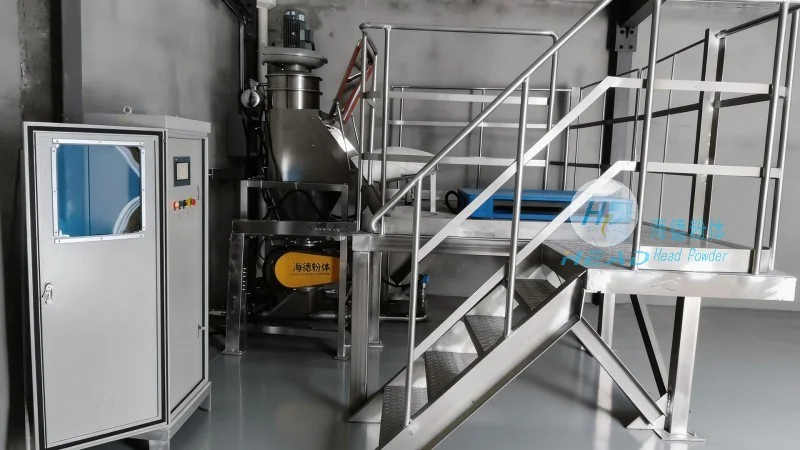
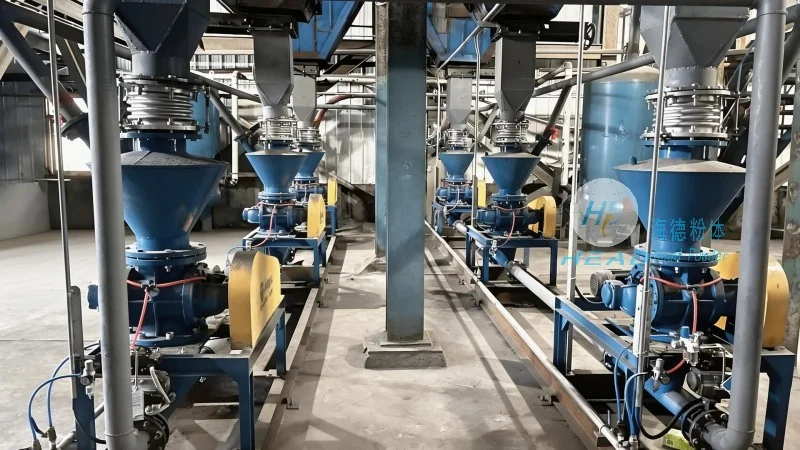
Pneumatic conveying lines operate on the principle of transporting bulk materials, such as cement and fly ash, through a pipeline using air or gas as the conveying medium. The system typically consists of a hopper, a rotary valve, a conveying line, a separator, and a dust collector. The process begins when the material is fed into the hopper, where it is then discharged into the conveying line via the rotary valve. Compressed air is introduced into the line, creating a flow that propels the material forward. The separator and dust collector work together to remove excess air and fine particles, ensuring the material is delivered to the destination in a clean and efficient manner.
Key Working Scene Characteristics of Cement and Fly Ash Pneumatic Conveying Lines
The effectiveness of cement and fly ash pneumatic conveying lines is heavily influenced by the specific working environments in which they are deployed. These systems are particularly well-suited for applications requiring the transport of fine powders over moderate to long distances, often in industrial settings where traditional mechanical conveying methods may be less efficient or practical. The characteristics of the working scene include:
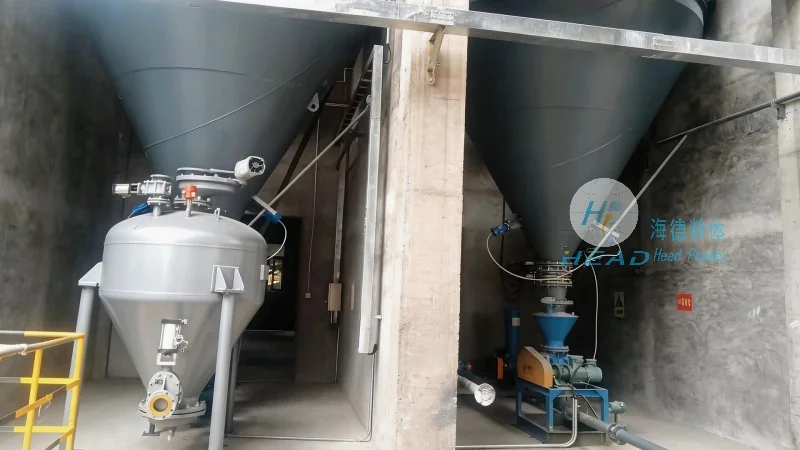
1. **Industrial Production Facilities**: In cement plants and fly ash processing facilities, these conveying lines are used to move raw materials and finished products between different stages of production, such as from storage silos to mixing equipment or from grinding mills to packaging areas. The ability to handle large volumes of material with minimal maintenance makes them ideal for continuous production processes.
2. **Construction and Infrastructure Projects**: During large-scale construction projects, pneumatic conveying systems are employed to transport cement and fly ash to remote or hard-to-reach locations, where traditional trucking or conveyor belts may not be feasible. This is especially useful in urban areas or on construction sites with limited access, ensuring materials are delivered efficiently without disrupting ongoing work.
3. **Environmental and Waste Management Sites**: In facilities focused on the handling and recycling of industrial waste, such as fly ash from power plants, pneumatic conveying lines help in the transport of ash to disposal or reclamation sites. The systems are designed to handle potentially dusty or abrasive materials, ensuring safe and efficient operation while minimizing environmental impact.
Advantages of Pneumatic Conveying Systems in Cement and Fly Ash Handling
Compared to traditional mechanical conveying methods, cement and fly ash pneumatic conveying lines offer several distinct advantages that make them a preferred choice in many industrial applications. These benefits include:
1. **Reduced Downtime and Maintenance**: Pneumatic systems are generally more reliable and require less maintenance compared to mechanical conveyors, which often suffer from wear and tear in high-abrasion environments. The absence of moving parts in the conveying line itself reduces the risk of breakdowns and extends the operational lifespan of the equipment.
2. **Improved Material Quality and Purity**: The enclosed nature of pneumatic conveying lines prevents contamination from external sources and minimizes material degradation. This is crucial for cement and fly ash, where maintaining the quality of the product is essential for consistent performance in construction applications.
3. **Energy Efficiency and Cost Savings**: While initial setup costs may be higher, pneumatic conveying systems can be more energy-efficient over time, especially when transporting large volumes of material over long distances. The reduced need for labor and maintenance further contributes to overall cost savings for industrial operations.
Conclusion
HeadPowder Engineering Co., Ltd., based in Shandong, China, leverages its expertise in pneumatic conveying technology to provide customized solutions for the cement and fly ash industries. By understanding the core principles and working scene characteristics of these systems, companies can optimize their material handling processes, enhance operational efficiency, and achieve cost savings. The continued development and refinement of pneumatic conveying lines ensure their relevance in modern industrial applications, making them a vital component of efficient material transport in the cement and construction sectors.




