HeadPowder, a leading engineering company based in Shandong, China, specializes in the design, manufacturing, and installation of advanced pneumatic conveying systems tailored for the transportation of cement and other mineral powders. This article delves into the fundamental principles underlying these systems and highlights the key characteristics that define their operational effectiveness in various industrial settings.
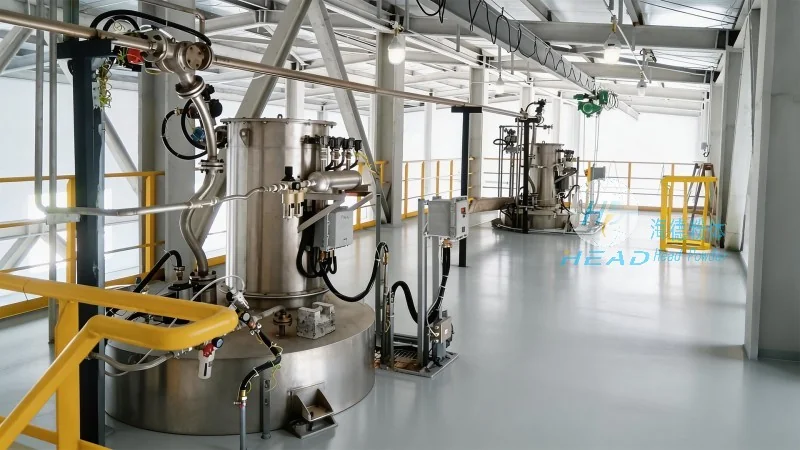
Introduction to Pneumatic Conveying Systems for Cement and Mineral Powders
Pneumatic conveying lines represent a critical technology in the bulk material handling industry, particularly for the efficient movement of fine powders such as cement, fly ash, and other mineral products. Unlike traditional mechanical conveying methods like belt conveyors or screw conveyors, pneumatic systems utilize air as the primary medium to transport materials through a network of pipes. This approach offers significant advantages in terms of flexibility, scalability, and the ability to handle materials in a dust-free environment, making it an ideal solution for modern cement production and processing facilities.
Working Principle of Pneumatic Conveying Lines
The core principle of pneumatic conveying involves the use of compressed air to generate the necessary force to move powder particles through a pipeline. There are two primary modes of operation: positive pressure and negative pressure (or vacuum) systems. In positive pressure systems, air is forced into the conveying line at a high pressure, pushing the material forward. This method is suitable for long-distance and high-capacity applications, as it can maintain consistent flow rates and handle abrasive materials without excessive wear on the system components. Negative pressure systems, on the other hand, create a vacuum at the discharge end, drawing material into the line. This approach is often preferred for applications requiring a dust-free environment at the source, as it prevents material from escaping into the surrounding air.
Key components of a pneumatic conveying system include the air compressor or vacuum pump, which provides the driving force; the conveying line itself, typically made of stainless steel or other corrosion-resistant materials to withstand the abrasive nature of cement and mineral powders; and the feeder, which introduces the material into the system at a controlled rate. The system also incorporates controls and monitoring equipment to ensure stable operation, adjust flow rates, and detect any blockages or pressure drops that may indicate system issues.
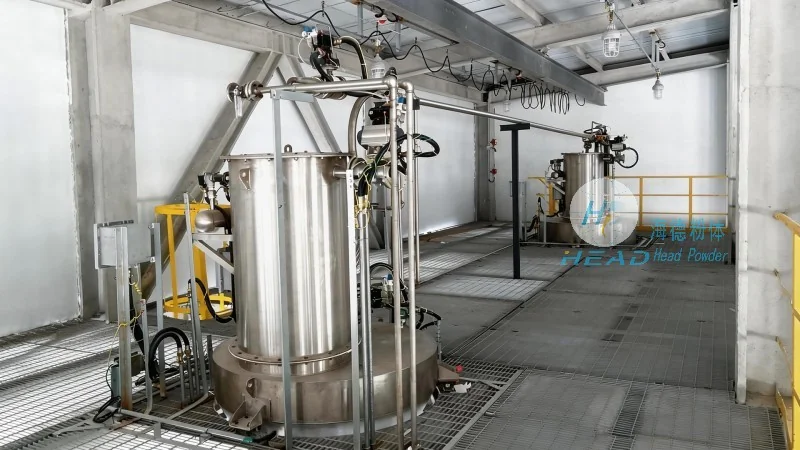
Key Working Scene Characteristics
The effectiveness of cement powder pneumatic conveying lines is heavily influenced by the specific working scenarios in which they are deployed. These characteristics include factors such as the distance between the material source and destination, the required throughput capacity, the nature of the material (e.g., particle size, moisture content, and flowability), and the environmental requirements of the facility. For instance, in large-scale cement plants, these systems are often used to transport raw materials from storage silos to the grinding mills or to move finished cement products from the production line to storage silos or shipping points. The ability to handle high volumes of material over long distances with minimal downtime is a critical characteristic that makes pneumatic conveying lines indispensable in such industrial environments.
In addition to large-scale production facilities, pneumatic conveying systems are also widely used in smaller processing plants and construction sites where the need to transport cement and other powders efficiently is paramount. The flexibility of these systems allows for easy integration into existing infrastructure, with the ability to add or modify conveying lines as production needs change. This adaptability is a key characteristic that enhances the operational efficiency of cement processing operations.
Another important characteristic is the ability of pneumatic conveying lines to maintain a clean and safe working environment. By containing the material within a sealed pipeline, these systems prevent dust emissions, which not only improves air quality but also reduces the risk of respiratory issues for workers. This feature is particularly important in industries where dust control is a regulatory requirement, such as in cement manufacturing, where environmental compliance is a top priority.
Application Examples and Operational Benefits
HeadPowder’s pneumatic conveying systems have been successfully implemented in a variety of working scenes, demonstrating their versatility and reliability. For example, in a major cement plant in Shandong, China, the company installed a positive pressure conveying line to transport raw limestone from the quarry to the raw mill. The system was designed to handle a throughput of 200 tons per hour over a distance of 1.5 kilometers, achieving a material transfer efficiency of over 98%. The system’s ability to operate continuously without frequent maintenance or downtime contributed significantly to the plant’s overall productivity.
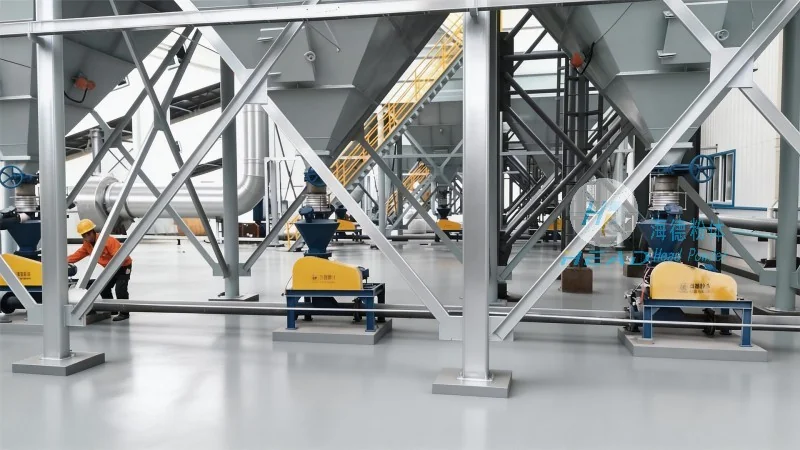
In another application, HeadPowder provided a negative pressure conveying system for a fly ash processing facility. The system was used to transport fly ash from the boiler to the storage silos, where it was then blended with cement to produce blended cement. The negative pressure design ensured that no fly ash escaped into the plant’s environment, meeting strict environmental regulations. The system’s low maintenance requirements and high reliability made it a cost-effective solution for the facility.
The operational benefits of pneumatic conveying lines extend beyond efficiency and environmental compliance. These systems also reduce the need for manual handling of materials, improving workplace safety and reducing labor costs. By automating the material transport process, facilities can achieve higher levels of consistency in their production, leading to better product quality and reduced waste. Additionally, the compact design of pneumatic conveying lines allows for space-saving installations, which is particularly valuable in facilities with limited floor space.
Conclusion
Pneumatic conveying lines for cement and mineral powders represent a sophisticated and efficient solution for bulk material handling in modern industrial applications. The principles of air-driven transport, combined with the adaptability and reliability of these systems, make them an essential component of cement production and processing facilities worldwide. HeadPowder, with its expertise in engineering and manufacturing, continues to provide high-quality pneumatic conveying systems that meet the diverse needs of its clients, ensuring optimal performance and operational efficiency in various working scenes.




