Wheat bran pneumatic conveying machines are essential equipment in the food processing industry, particularly for handling bulk materials like wheat bran. These machines utilize pneumatic technology to transport materials efficiently and safely. This article explores the fundamental principles behind their operation and highlights key working scene characteristics that make them suitable for various industrial applications.
Introduction to Wheat Bran Pneumatic Conveying Machines
Wheat bran, a byproduct of wheat milling, is widely used in animal feed, food supplements, and other industrial products. The efficient handling of wheat bran is crucial for maintaining production efficiency and product quality. Pneumatic conveying systems offer a solution by transporting materials through a pipeline using air pressure or vacuum. This method eliminates the need for mechanical components like belts or buckets, reducing maintenance costs and improving hygiene standards. HeadPowder, a leading manufacturer based in Shandong, China, specializes in designing and manufacturing high-quality wheat bran pneumatic conveying machines tailored to meet the specific needs of food processing and agricultural industries.
The Core Principle of Pneumatic Conveying
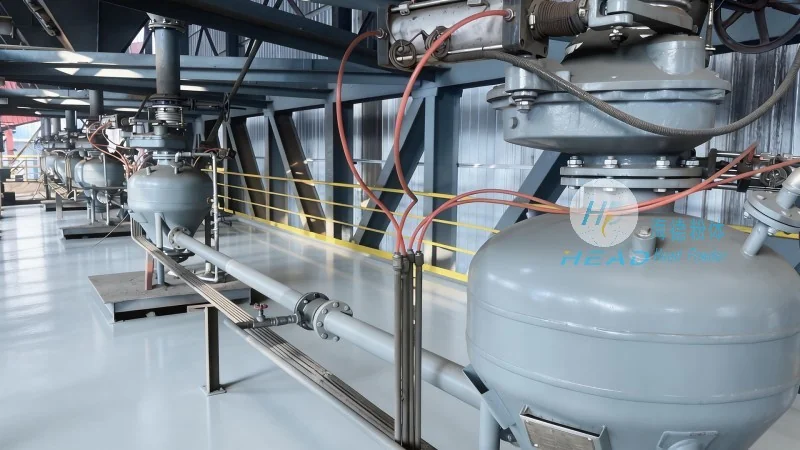
The principle of pneumatic conveying involves the movement of bulk materials within a sealed pipeline using air flow. There are two main types of pneumatic conveying systems: pressure and vacuum. In pressure systems, air is pumped into the pipeline, creating a pressure differential that pushes the material forward. Vacuum systems, on the other hand, use a vacuum pump to create a negative pressure that draws the material into the pipeline. For wheat bran, which is a light and fine material, pressure systems are often preferred due to their ability to handle high volumes and maintain consistent flow rates. The conveying process typically involves a hopper where the wheat bran is stored, a feeder that controls the material flow, a pipeline network, and a receiver where the material is deposited. The air flow is regulated by a blower or fan, ensuring optimal pressure and velocity to prevent material degradation and blockages.
Key Working Scene Characteristics
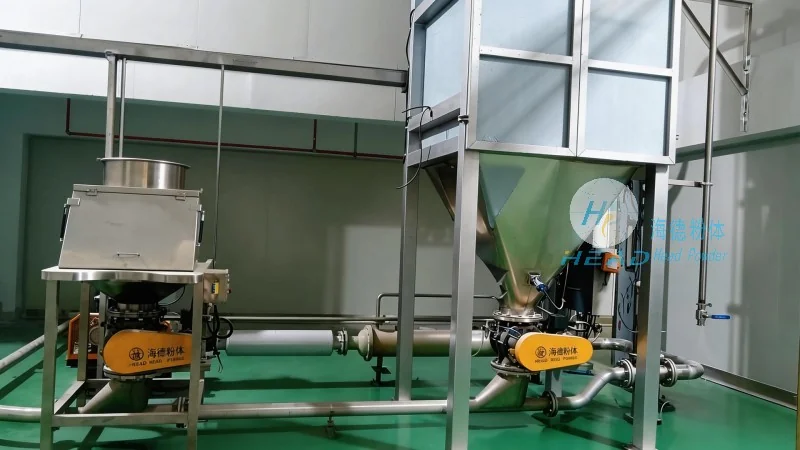
The working scene characteristics of wheat bran pneumatic conveying machines are critical for their effectiveness in different industrial settings. These characteristics include material handling capacity, system efficiency, and operational flexibility. In food processing plants, the machines must comply with hygiene standards, often featuring stainless steel construction and easy-to-clean components. The conveying speed and pressure can be adjusted to handle varying material densities and moisture levels, ensuring consistent performance. Another important characteristic is the system's ability to handle long-distance transport without significant material loss or degradation. This is particularly important for wheat bran, which can be sensitive to temperature and pressure changes. The design of the pipeline and the type of air flow (e.g., positive or negative pressure) also influence the system's ability to prevent dust emissions and maintain air quality, which is essential for both worker safety and environmental compliance.
Applications and Benefits in Industrial Settings
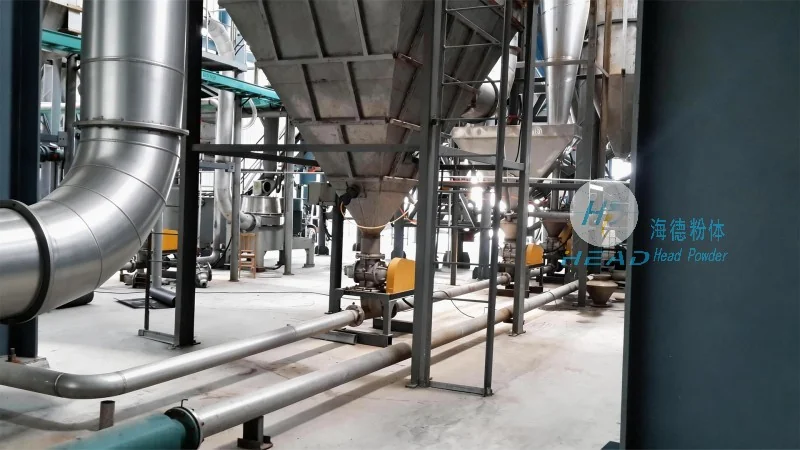
Wheat bran pneumatic conveying machines are widely used in various industrial applications, including animal feed production, food manufacturing, and agricultural processing. In animal feed plants, these machines efficiently transport wheat bran from storage silos to mixing and processing areas, ensuring a steady supply of raw material. The benefits of using pneumatic conveying in these settings include reduced labor costs, improved safety by eliminating manual handling of bulk materials, and enhanced product quality by minimizing material contamination. Additionally, the systems are scalable, allowing manufacturers to adjust the conveying capacity based on production needs. For example, a small-scale feed mill might use a compact pneumatic conveying system, while a large-scale food processing plant may require a more extensive network of pipelines and multiple feeders. The flexibility of pneumatic conveying systems makes them adaptable to different production volumes and layouts, providing a cost-effective solution for material handling in diverse industrial environments.
Conclusion and Company Overview
Wheat bran pneumatic conveying machines are a vital component of modern food processing and agricultural industries, offering efficient, hygienic, and flexible material handling solutions. The principles of pneumatic conveying, combined with advanced design and manufacturing techniques, ensure that these machines can handle the unique characteristics of wheat bran while meeting the stringent requirements of industrial applications. HeadPowder Engineering Co., Ltd., with its headquarters in Shandong, China, is a trusted provider of such equipment, specializing in custom solutions that address the specific needs of clients in the food and agricultural sectors. By leveraging years of experience and expertise, HeadPowder delivers high-quality pneumatic conveying systems that enhance production efficiency, improve product quality, and ensure compliance with industry standards. The company's commitment to innovation and customer satisfaction makes it a reliable partner for businesses seeking to optimize their material handling processes.




