Small bean pneumatic conveying machines, as an efficient and flexible material handling solution, have become increasingly popular in various industries. This article will delve into the fundamental principles behind these machines and explore the specific working scene characteristics that make them suitable for diverse applications. By understanding both the technical aspects and practical scenarios, users can better appreciate the advantages and optimal use cases of small bean pneumatic conveying equipment.
Company Information
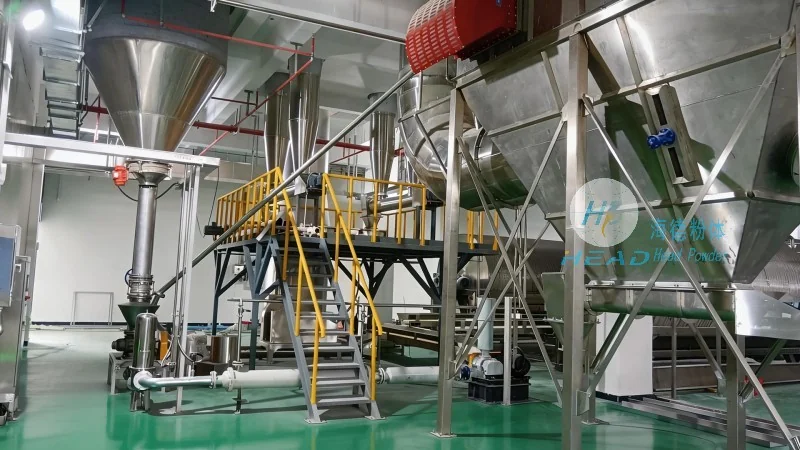
HeadPowder, a leading manufacturer based in Shandong, China, specializes in the design, development, and production of advanced pneumatic conveying systems. With a strong commitment to quality and innovation, the company has established itself as a trusted partner in the material handling industry. The headquarters is located in Shandong, China, where the company's research and development team continuously optimizes its products to meet the evolving needs of global markets.
Principle of Small Bean Pneumatic Conveying Machine
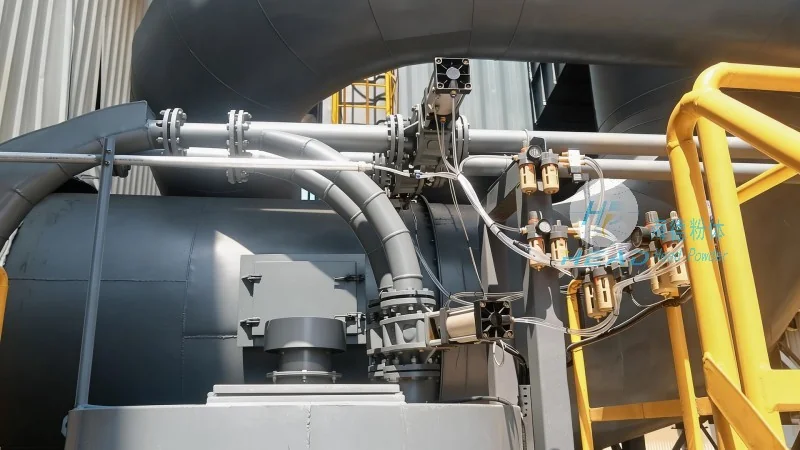
The core principle of a small bean pneumatic conveying machine is the use of air pressure to transport bulk materials. Unlike traditional mechanical conveyors, which rely on physical contact and moving parts, pneumatic systems utilize a sealed pipeline system to move materials through the use of compressed air or suction. The process typically involves a hopper or feeding device that introduces the small beans into the system, where they are then carried by the air flow through the pipeline to the discharge point. The machine operates by creating a pressure differential, either by blowing air into the system (positive pressure) or by creating a vacuum (negative pressure), to propel the material forward. This method not only reduces the risk of material contamination but also minimizes the need for frequent maintenance compared to mechanical systems.
Working Scene Characteristics
The working scene characteristics of small bean pneumatic conveying machines are tailored to meet the demands of different industries and operational environments. One of the key advantages is their ability to handle a wide range of small bean sizes and types, making them suitable for applications in food processing, pharmaceuticals, and chemical industries. In food processing, for instance, these machines are commonly used to transport ingredients like coffee beans, cocoa beans, or spices, ensuring that the materials remain in their natural state without any physical damage or contamination. The gentle handling provided by pneumatic conveying helps preserve the quality and flavor of the small beans, which is crucial for industries where product integrity is paramount.
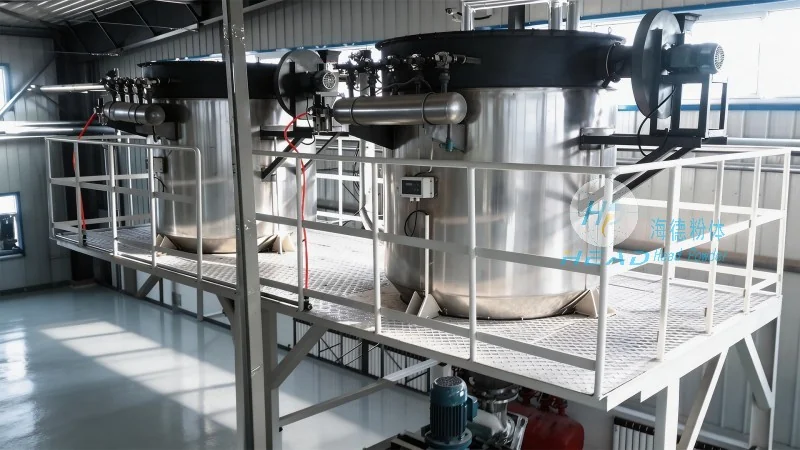
In the pharmaceutical sector, small bean pneumatic conveying machines are employed to transport raw materials and finished products with high precision and cleanliness. The sealed system prevents cross-contamination and ensures compliance with stringent regulatory standards. The machine's ability to operate in a controlled environment, such as a cleanroom, further enhances its suitability for pharmaceutical applications. Additionally, the flexibility of the system allows for easy integration with existing production lines, reducing downtime and increasing overall efficiency.
In the chemical industry, these machines are used to transport various types of small particles, including powders and granules. The pneumatic conveying system can handle materials with different moisture content and particle sizes, making it versatile for chemical processing. The machine's design minimizes the risk of material buildup and clogging, which is a common issue in traditional conveyors. By using compressed air to move materials, the system reduces the need for mechanical components that could wear out or break down over time, leading to lower maintenance costs and longer service life.
Advantages in Specific Applications
When considering the working scene characteristics, several key advantages of small bean pneumatic conveying machines become evident. First, the system's ability to transport materials over long distances without the need for multiple transfer points is a significant benefit. This reduces the complexity of the overall material handling process and minimizes the risk of material loss or spillage. Second, the flexibility of the system allows for easy reconfiguration, enabling users to adapt the conveyor layout to changing production needs. For example, in a food processing plant, the machine can be adjusted to handle different types of small beans during different production cycles, such as switching from coffee beans to cocoa beans without major modifications.
Another advantage is the reduced labor costs associated with pneumatic conveying. Unlike manual or mechanical systems that require constant monitoring and intervention, pneumatic machines operate automatically once set up. This not only improves efficiency but also enhances workplace safety by minimizing the need for workers to handle heavy or potentially hazardous materials. The sealed pipeline system also prevents dust and particles from entering the workspace, creating a cleaner and healthier environment for employees.
Conclusion
In conclusion, small bean pneumatic conveying machines offer a reliable and efficient solution for transporting small beans in various industries. The fundamental principle of using air pressure to move materials, combined with the working scene characteristics tailored to specific applications, makes these machines a preferred choice for many businesses. With their ability to handle diverse materials, maintain product quality, and reduce operational costs, small bean pneumatic conveying equipment continues to play a vital role in modern material handling. As a leading manufacturer based in Shandong, China, HeadPowder Engineering Co., Ltd. remains committed to providing high-quality pneumatic conveying systems that meet the evolving needs of global markets.




