Seaweed residue pellet pneumatic conveying lines are specialized systems engineered to transport and manage pelletized seaweed waste efficiently. These systems are vital in industries processing marine biomass, as they provide a reliable method for moving materials without traditional mechanical conveyors. The technology integrates pneumatic transport principles with advanced engineering to ensure optimal performance, safety, and efficiency.
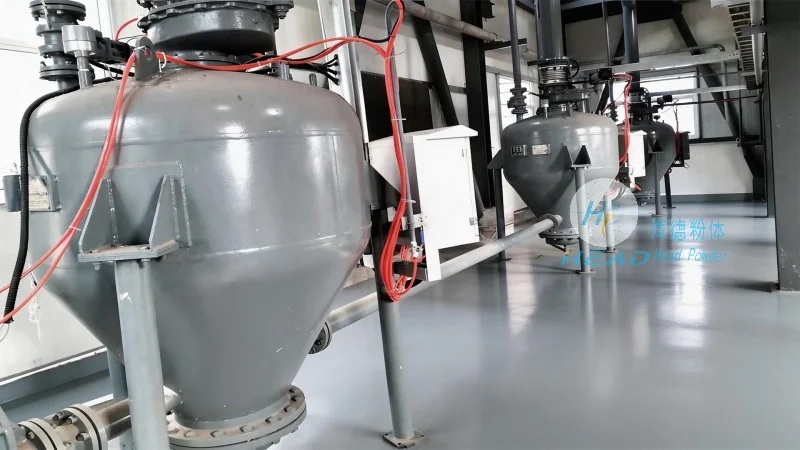
Key Components and Design Principles of the System
The design of a seaweed residue pellet pneumatic conveying line involves critical components working in unison. At the core is the material feed hopper, which stores and feeds pelletized seaweed residue into the line. Typically equipped with a rotary valve or feeder, this hopper regulates material flow for consistent operation. The conveying line itself consists of pipes or ducts where compressed air or gas is introduced to propel pellets. The choice of air velocity and pressure is paramount, directly impacting capacity and energy use. Additionally, a separator or filter removes fine particles from the air stream, maintaining air quality and preventing clogging. The overall design balances efficiency, cost, and environmental considerations, making it suitable for diverse industrial applications.
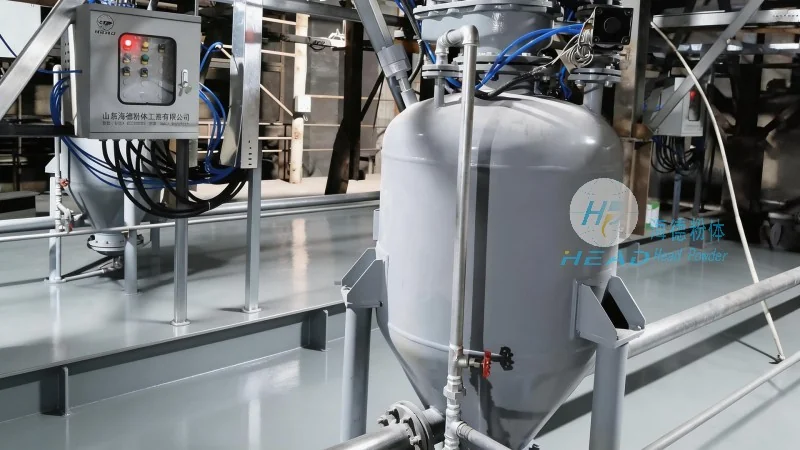
How the Pneumatic Conveying Process Works
The pneumatic conveying process relies on air to transport solid materials. When pelletized seaweed residue enters the line, it is carried by the moving air stream. Air velocity is maintained to keep pellets suspended and moving through pipes. Systems use positive pressure (blowing air into the line) or negative pressure (creating a vacuum to pull material), or a combination. The design—including pipe length, diameter, bends, and component placement—ensures smooth operation. Proper design prevents material degradation, minimizes maintenance, and optimizes energy use.
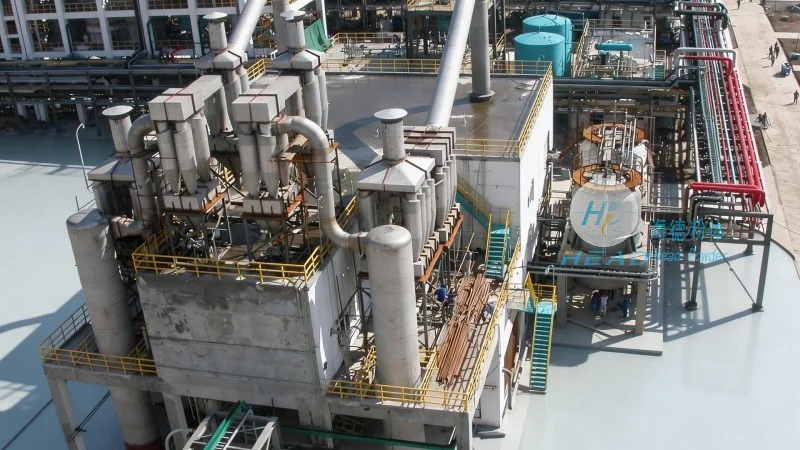
Advantages of Using a Seaweed Residue Pellet Pneumatic Conveying Line
Implementing such a system offers advantages over mechanical conveyors. First, it eliminates moving parts in contact with material, reducing wear and extending equipment life—especially beneficial for abrasive or corrosive materials like pelletized seaweed residue. Second, it provides a hygienic, dust-free transport method, critical in food or biotech industries where product purity is essential. Third, the system is highly flexible, adapting to layout changes or production volume shifts. It is also energy-efficient compared to some mechanical alternatives, optimizing air usage to minimize energy consumption while maintaining high rates. Overall, it’s a cost-effective, reliable solution supporting sustainable marine biomass processing.
Applications and Industries That Benefit from This Technology
Seaweed residue pellet pneumatic conveying lines are used across industries processing marine biomass. In aquaculture and marine biotech, they transport residue from facilities to storage or treatment sites. They also support biofuel production, where seaweed residue is a feedstock. The food and pharmaceutical industries benefit when handling seaweed-based products. The technology’s versatility suits small-scale labs to large industrial operations, accommodating various particle sizes and material properties.
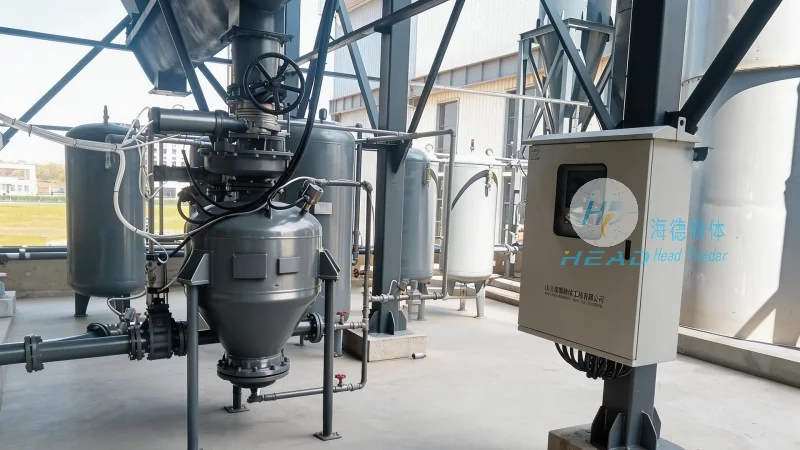
Conclusion and Company Information
Seaweed residue pellet pneumatic conveying lines represent an advanced solution for transporting pelletized seaweed waste. By leveraging pneumatic transport and robust engineering, these systems deliver reliable, hygienic, and cost-effective material handling. They are particularly valuable in sustainable marine resource utilization, supporting environmental goals. As a leader in material handling engineering, Shandong HeadPowder Engineering Co., Ltd. designs and manufactures tailored systems. Committed to quality and innovation, the company ensures its pneumatic conveying lines meet high performance and reliability standards, supporting efficient operation of marine biomass processing facilities globally.




