Chromic oxide, a critical industrial material, requires efficient and reliable handling solutions for its transportation from production sites to processing facilities. The design of a pneumatic conveying system for chromic oxide is a specialized engineering task that demands precision in material flow management, system efficiency, and safety compliance. This article outlines the key considerations and components involved in the design of a chromic oxide pneumatic conveying system, emphasizing the technical aspects and practical applications relevant to industrial operations.
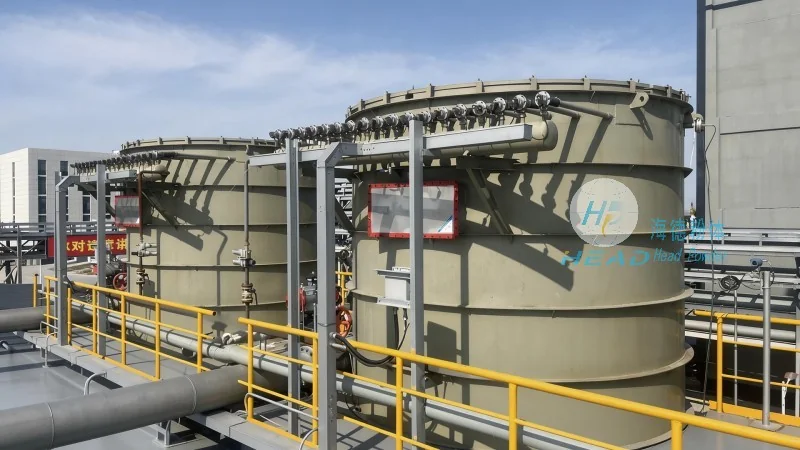
Company Overview: HeadPowder Engineering
HeadPowder Engineering, operating under the brand name headpowder, is a leading provider of engineering solutions for material handling systems. With a focus on innovative and robust designs, the company specializes in customizing pneumatic conveying systems tailored to the unique requirements of various industrial sectors. Based in Shandong, China, HeadPowder Engineering leverages local expertise and advanced manufacturing capabilities to deliver high-quality equipment that meets international standards and client-specific needs.
Key Design Considerations for Chromic Oxide Pneumatic Conveying
The successful design of a chromic oxide pneumatic conveying system hinges on several critical factors. First, the physical properties of chromic oxide, such as its particle size distribution, density, and flowability, must be thoroughly analyzed. These characteristics influence the selection of appropriate air velocities, pipeline diameters, and equipment materials to prevent blockages and ensure smooth material transport. Additionally, the system must be designed to handle the abrasive nature of chromic oxide, which can cause wear on components over time. This necessitates the use of durable materials like stainless steel or specialized coatings for pipes, valves, and conveying units.
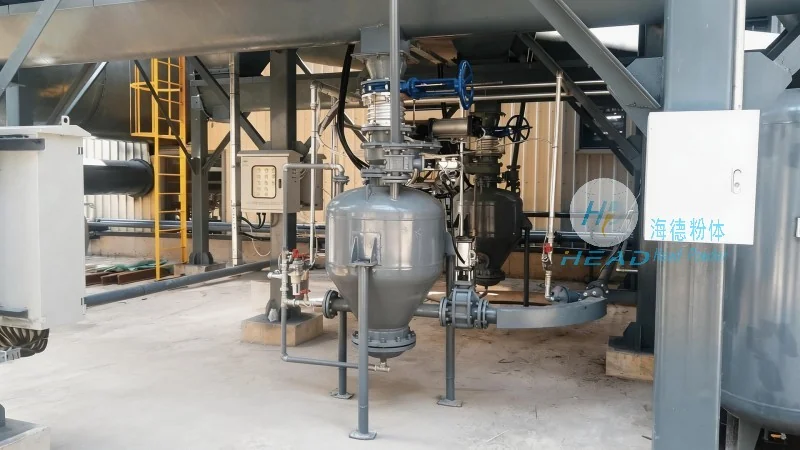
System Components and Their Functions
A chromic oxide pneumatic conveying system typically consists of several interconnected components, each playing a vital role in the overall operation. The primary components include a material feeder, which ensures a consistent and controlled flow of chromic oxide into the system; a conveying pipeline, which transports the material using compressed air; a dust collector or filter system to capture and remove fine particles, maintaining air quality and preventing contamination; and a discharge unit that delivers the material to its final destination. The material feeder is often equipped with a rotary valve or a screw feeder to regulate the feed rate, while the pipeline design considers factors like air pressure, flow rate, and the length of the conveying line to optimize efficiency.
Efficiency and Performance Optimization
Optimizing the performance of a chromic oxide pneumatic conveying system involves balancing several variables to achieve maximum throughput and minimal energy consumption. Engineers must carefully calculate the required air pressure and flow rate based on the material's characteristics and the system's layout. The use of pulse-jet or rotary airlock valves can enhance system efficiency by reducing pressure drops and minimizing material buildup. Furthermore, regular maintenance and monitoring of system parameters, such as air pressure and flow rates, are essential to maintain optimal performance and extend the lifespan of the equipment. By implementing these optimization strategies, the system can achieve high levels of efficiency while ensuring the safe and reliable handling of chromic oxide.
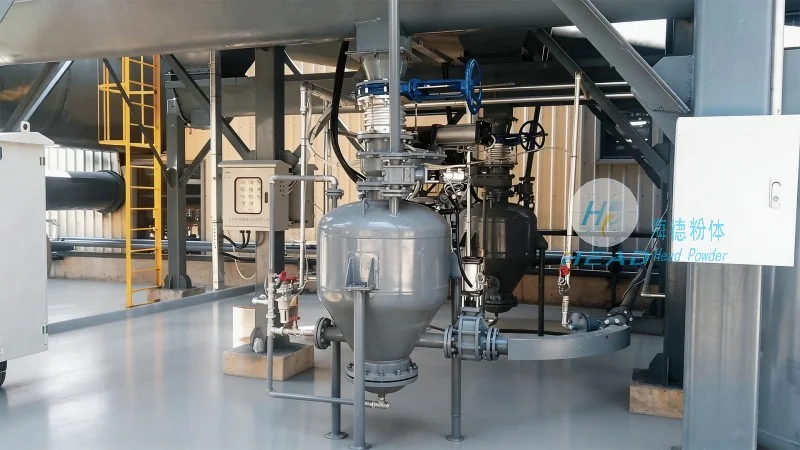
Safety and Compliance in System Design
Given the industrial nature of chromic oxide and the pneumatic conveying process, safety is a paramount consideration in system design. The system must comply with relevant safety standards and regulations to prevent accidents and ensure the well-being of operators. This includes features like explosion-proof components, proper ventilation systems to manage dust and fumes, and emergency shut-off mechanisms in case of system failures. Additionally, the design must account for the potential hazards associated with chromic oxide, such as its chemical properties and the risk of dust explosions. By integrating robust safety measures into the system design, HeadPowder Engineering ensures that the pneumatic conveying system operates within safe and compliant parameters.
Conclusion and Application Scope
In conclusion, the design of a chromic oxide pneumatic conveying system is a complex but essential process that requires a deep understanding of material properties, engineering principles, and operational requirements. HeadPowder Engineering, with its expertise and commitment to quality, provides comprehensive solutions tailored to the needs of industrial clients. The systems designed by HeadPowder Engineering not only enhance the efficiency and safety of chromic oxide handling but also contribute to the overall productivity and sustainability of industrial operations. As a trusted partner in material handling, HeadPowder Engineering continues to advance the technology and application of pneumatic conveying systems for various industrial materials, including chromic oxide.




