For industrial applications involving the transport of glass beads, a specialized system known as a glass bead pneumatic conveying system is often employed. This technology offers an efficient and flexible method for moving these materials from one location to another within a facility. Understanding the core components and design principles of such a system is crucial for optimizing performance and ensuring reliable operation.
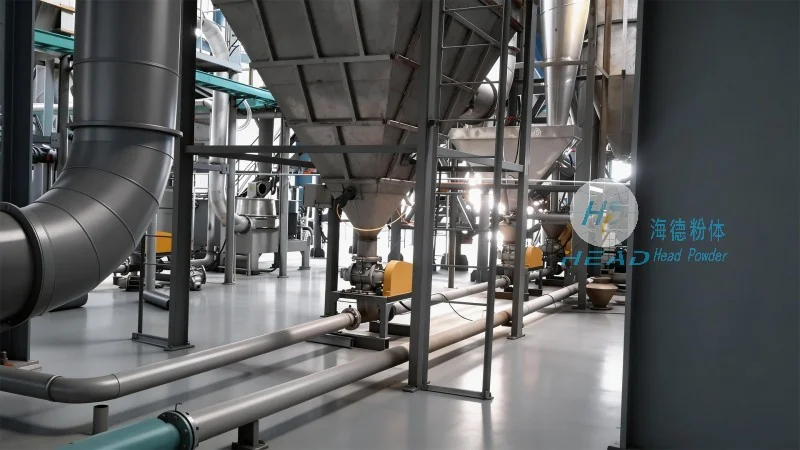
Understanding the Glass Bead Pneumatic Conveying System
A glass bead pneumatic conveying system is a type of pneumatic transport equipment designed specifically for handling glass beads. These systems utilize air or other gases to move the beads through a network of pipes and components. The primary advantage of this method is the ability to transport materials without direct contact with mechanical parts, which can be beneficial for maintaining product integrity and reducing wear on equipment. The system typically includes a hopper for material storage, a feeder to control the flow of beads, a conveying line with appropriate pipe diameter and length, and a receiver to collect the material at the destination. The choice of air velocity and pressure is critical in determining the system's capacity and efficiency.
Key Design Principles for Glass Bead Pneumatic Conveying
The design of a glass bead pneumatic conveying system is governed by several key principles that ensure optimal performance. First, the system must be designed to handle the specific physical properties of glass beads, such as their size, density, and abrasiveness. These characteristics influence the selection of pipe materials, diameter, and the type of air movement (e.g., dilute phase or dense phase conveying). Dilute phase systems use higher air velocities to suspend the beads in the air stream, while dense phase systems use lower velocities to move the material in a slurry-like state. The design also considers the system's capacity, which is determined by the required flow rate and the distance between the source and destination. Proper sizing of the hopper and feeder is essential to prevent material bridging or buildup, which can disrupt the conveying process. Additionally, the system must incorporate features to manage pressure differentials and prevent air leaks, ensuring consistent and reliable operation.
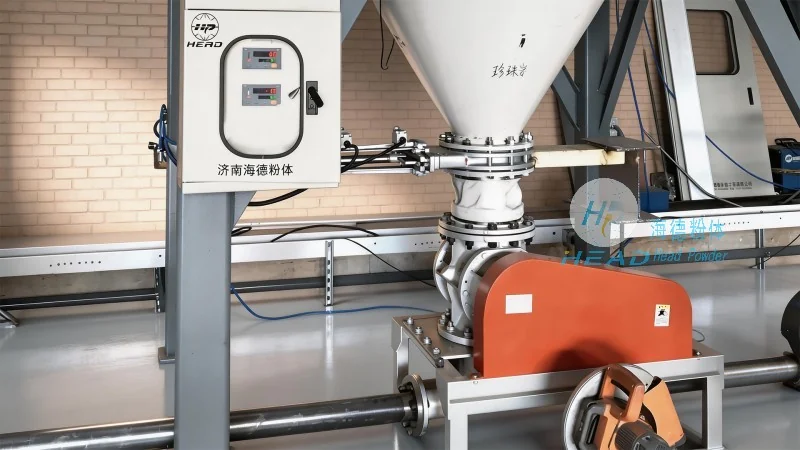
Components and Their Functions in the System
Each component of a glass bead pneumatic conveying system plays a vital role in the overall operation. The hopper serves as the storage vessel, providing a sufficient volume of material to maintain a steady flow. It is typically equipped with a discharge valve to control the release of beads into the feeder. The feeder, often a rotary valve or a screw feeder, regulates the flow rate of glass beads into the conveying line. This component is critical for preventing overloading the system and maintaining a consistent air flow. The conveying line consists of pipes of appropriate diameter and length, designed to handle the air and glass beads without excessive pressure drop or material deposition. The air supply system, including a blower or compressor, generates the necessary pressure and volume of air to move the beads. The receiver, located at the end of the line, collects the glass beads and may include a filter or separator to remove any air or dust particles. The entire system is often equipped with monitoring and control devices to adjust parameters such as air pressure, flow rate, and material level in real-time, enhancing operational efficiency.
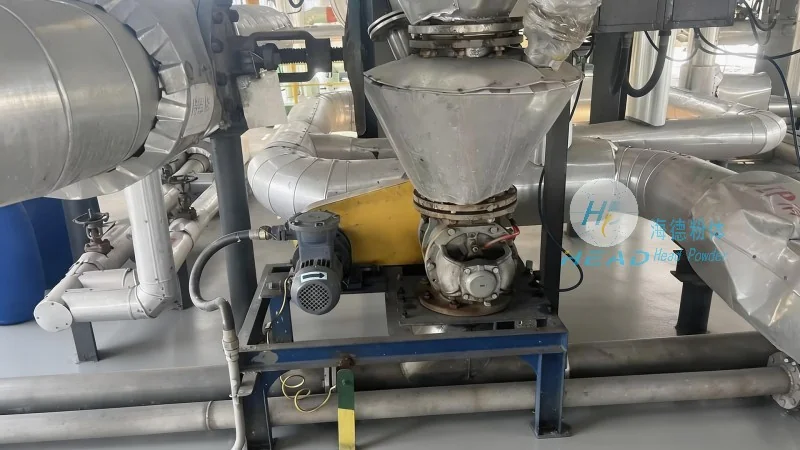
Applications and Benefits of Glass Bead Pneumatic Conveying
Glass bead pneumatic conveying systems are widely used in various industrial applications where the transport of glass beads is required. These systems are commonly found in glass manufacturing facilities, where they are used to move raw materials or finished products between processing stages. They are also utilized in other industries, such as ceramics and pharmaceuticals, where fine particles need to be transported with precision. The primary benefits of using a pneumatic conveying system for glass beads include improved safety, as there are no moving parts in direct contact with the material, reducing the risk of contamination or injury. Additionally, the system offers flexibility in terms of layout, as the conveying lines can be easily reconfigured to accommodate changes in production processes. The ability to transport materials in a closed system also helps in maintaining environmental standards by preventing dust emissions and ensuring product cleanliness.
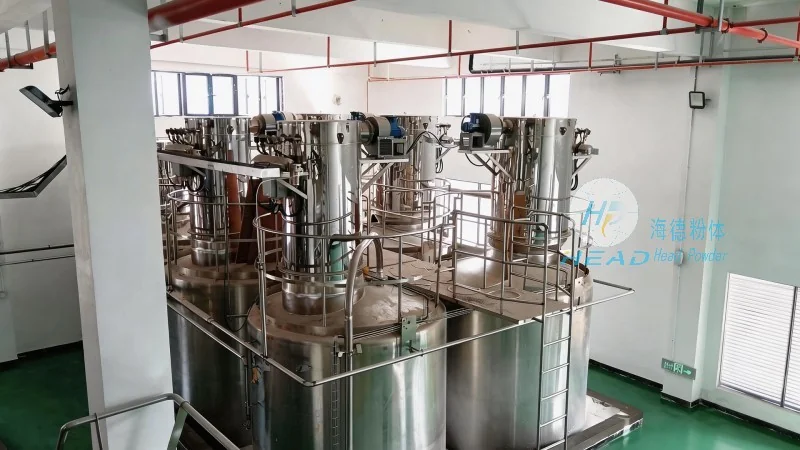
Maintenance and Operational Considerations
Proper maintenance and operational practices are essential for maximizing the lifespan and efficiency of a glass bead pneumatic conveying system. Regular inspection of components such as the hopper, feeder, and conveying lines is necessary to detect any signs of wear or damage. The air supply system should be checked for proper functioning, including the blower or compressor, to ensure consistent air pressure. Filters and separators in the receiver should be cleaned or replaced regularly to prevent clogging and maintain system performance. The system's control devices should be calibrated periodically to ensure accurate monitoring and adjustment of parameters. Additionally, it is important to follow the manufacturer's guidelines for material handling, as improper use of the system can lead to inefficiencies or equipment failure. By adhering to these maintenance and operational practices, users can ensure the reliable and efficient operation of their glass bead pneumatic conveying system.
About Shandong HeadPowder Engineering Co., Ltd.
Shandong HeadPowder Engineering Co., Ltd., commonly known as HeadPowder, is a leading manufacturer and supplier of industrial conveying systems, including glass bead pneumatic conveying solutions. With its headquarters located in Shandong, China, the company specializes in designing, manufacturing, and installing customized pneumatic conveying systems tailored to the specific needs of its clients. HeadPowder's expertise lies in understanding the unique requirements of various industries and providing innovative solutions that enhance operational efficiency and product quality. The company's commitment to quality and customer satisfaction has established it as a trusted partner in the field of material handling technology. Through continuous research and development, HeadPowder strives to deliver advanced and reliable conveying systems that meet the evolving demands of modern industry.




