Gelatin, a protein derived from collagen, is a versatile powder used across multiple industries including food, pharmaceuticals, and cosmetics. Handling this material efficiently is crucial for maintaining product quality and operational efficiency. Pneumatic conveying offers a specialized solution for transporting gelatin, leveraging air or gas to move the powder through a closed system. This article explores the fundamental principles behind gelatin pneumatic conveying and how such systems function in practice.
Understanding Gelatin Pneumatic Conveying
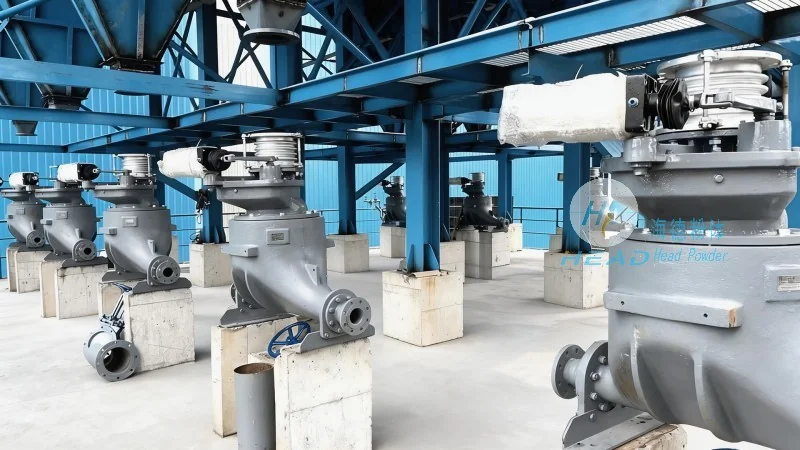
Gelatin powder, due to its fine particle size and hygroscopic properties, requires careful handling to prevent clumping and contamination. Pneumatic conveying addresses these challenges by utilizing air pressure or vacuum to transport the material from a source to a destination. Unlike traditional methods like belt conveyors or bucket elevators, pneumatic systems keep the gelatin enclosed, minimizing exposure to external elements and ensuring a clean transfer process.
The Core Mechanics of Pneumatic Conveying
Pneumatic conveying systems operate on either pressure or vacuum principles. In pressure systems, compressed air is forced through the conveying line, creating a positive pressure that pushes the gelatin particles forward. The air flow velocity must be sufficient to overcome the particle's weight and friction within the pipe. Vacuum systems, conversely, create a negative pressure that draws the gelatin from the source into the line, often using a venturi or rotary valve to control the material flow. Both methods rely on the aerodynamic properties of the gelatin particles to achieve stable transport.
Key Components in a Gelatin Pneumatic Conveying System
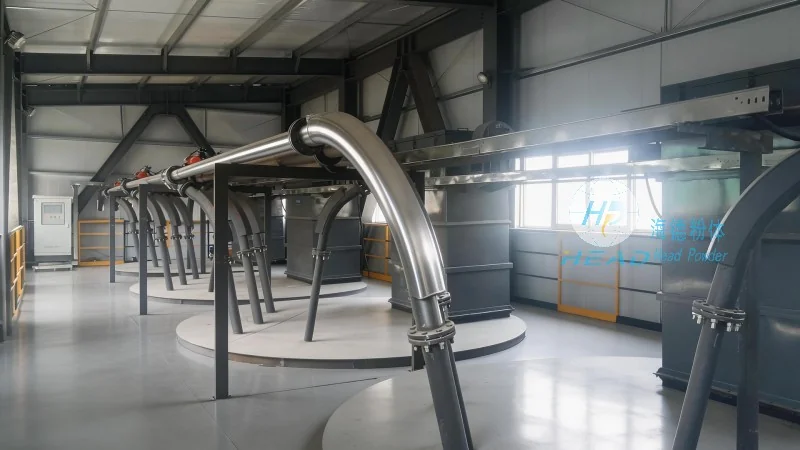
A gelatin pneumatic conveying system comprises several critical components that work in tandem. The material feed hopper is the initial point where gelatin is stored and metered into the system. It may include a rotary valve or screw feeder to regulate the discharge rate. The conveying line, typically made of stainless steel or other corrosion-resistant materials, ensures the material is transported without contamination. The air compressor or vacuum pump provides the necessary pressure or suction force. At the destination, a cyclone separator or filter removes the gelatin from the air stream, allowing the air to be recirculated or vented. This closed-loop design is essential for maintaining product purity.
Advantages of Pneumatic Conveying for Gelatin
Implementing pneumatic conveying for gelatin offers distinct advantages. The enclosed system prevents cross-contamination and protects the powder from moisture or dust. The process is also gentle on the material, reducing the risk of particle degradation or agglomeration. Additionally, pneumatic systems can handle varying flow rates and particle sizes, making them adaptable to different production scales. The ability to transport gelatin over long distances without the need for multiple transfer points further enhances operational efficiency.
Applications in Industrial Settings
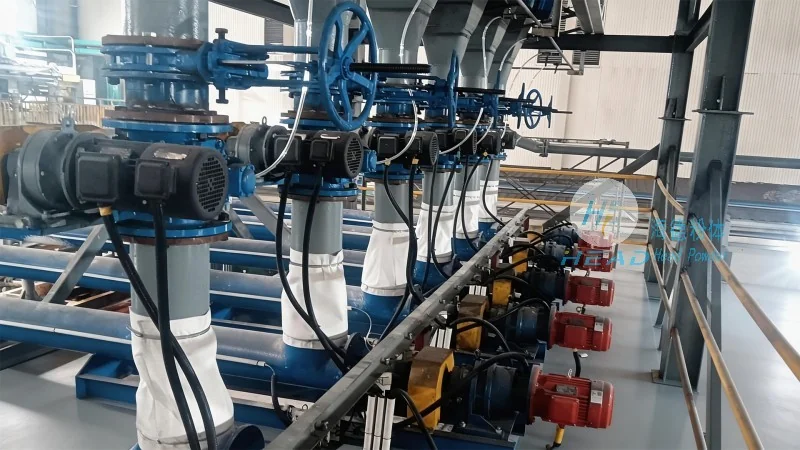
Gelatin pneumatic conveying is widely used in the manufacturing of gelatin-based products such as gummy candies, dietary supplements, and emulsifiers. In these processes, the system efficiently moves gelatin from storage silos to mixing or processing equipment. For example, in a gummy candy production line, gelatin is conveyed from a bulk storage tank to a mixing machine where it is combined with other ingredients. The consistent and reliable transport provided by the pneumatic system ensures uniform product quality and reduces downtime. The hygienic design of the equipment also meets stringent food safety regulations.
Challenges and Solutions in Gelatin Pneumatic Conveying
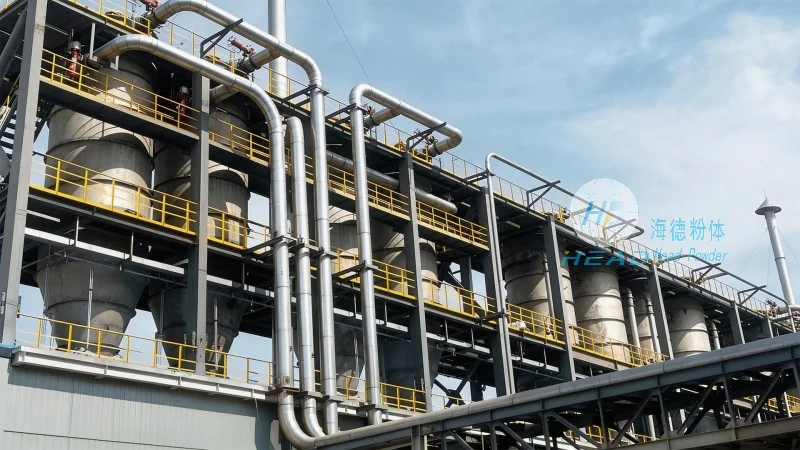
While pneumatic conveying is effective, it presents certain challenges when handling gelatin. One common issue is the tendency of fine particles to cause blockages in the conveying line, especially if the air flow is insufficient. To mitigate this, systems often include air knives or pulse jets to clear blockages and maintain consistent flow. Another challenge is the risk of product degradation due to prolonged exposure to air. Modern systems incorporate features like temperature control and minimal residence time to preserve the gelatin's properties. Additionally, the system's maintenance requirements, such as cleaning and checking for air leaks, must be addressed regularly to ensure long-term performance.
Conclusion
Gelatin pneumatic conveying is a sophisticated and efficient method for transporting gelatin powder. By understanding the working principles and key components of such systems, industries can optimize their material handling processes, enhance product quality, and improve overall operational efficiency. For businesses dealing with gelatin, investing in a well-designed pneumatic conveying system is a strategic decision that aligns with industry standards and customer expectations. The technology not only addresses the unique challenges of handling gelatin but also contributes to a more sustainable and hygienic production environment.




