Electric arc furnace dust, also known as calcium carbide dust, is a byproduct generated during the production process of calcium carbide. This dust poses significant challenges for industrial facilities due to its fine particle size, high moisture content, and potential for spontaneous combustion. To address these issues, the electric arc furnace dust gas-solid pneumatic conveying system has emerged as an effective solution for safe and efficient material handling. This article will explore what this system entails and the underlying design principles that enable its operation.
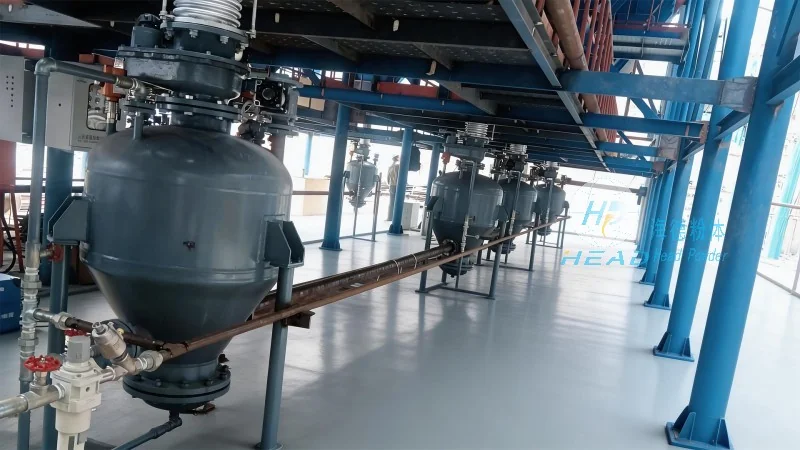
HeadPowder, a leading provider in the field of industrial material handling solutions, specializes in designing and manufacturing advanced pneumatic conveying systems tailored to the unique demands of calcium carbide dust processing. With a strong presence in Shandong, China, HeadPowder Engineering Co., Ltd. leverages decades of industry experience to deliver reliable and efficient equipment that meets the stringent requirements of modern industrial applications.
System Components and Working Principle
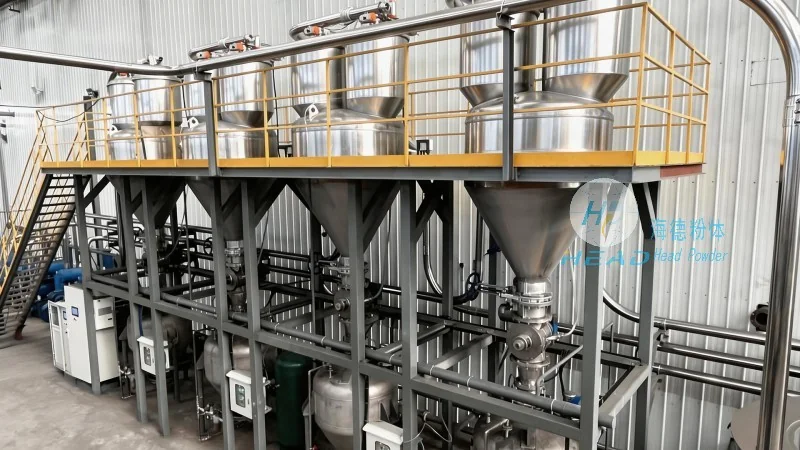
The electric arc furnace dust gas-solid pneumatic conveying system is a closed-loop system that utilizes compressed air or other gas as the medium to transport dust particles from the source to the destination. The core components of this system typically include a dust collection hopper, a rotary airlock valve, a conveying pipeline, a dust separator, and a receiving hopper. The process begins when dust accumulates in the collection hopper. As the hopper reaches a certain level, the rotary airlock valve opens, allowing dust to enter the conveying pipeline. Simultaneously, compressed air is introduced into the pipeline, creating a high-velocity airflow that lifts and transports the dust particles through the pipeline. The dust is then separated from the air in the dust separator, where the air is filtered and discharged, while the dust is collected in the receiving hopper. This continuous operation ensures that the dust is moved from the source to the destination without any manual intervention, minimizing the risk of dust exposure and contamination.
Design Principles and Key Considerations
The design of an electric arc furnace dust gas-solid pneumatic conveying system involves several critical principles to ensure optimal performance, safety, and longevity. First, the system must be designed to handle the specific physical properties of calcium carbide dust, such as its fine particle size (typically ranging from 10 to 100 microns) and high moisture content. The conveying velocity must be carefully selected to prevent particle deposition and blockages in the pipeline. Typically, a conveying velocity of 20-30 meters per second is recommended to maintain a dilute phase flow, which minimizes the risk of particle accumulation. Second, the system must incorporate effective dust separation and filtration to prevent dust leakage and protect the environment. The dust separator, often a cyclone or a bag filter, is designed to capture the dust particles from the air stream, ensuring that the air is clean before discharge. Third, the system must be equipped with safety features to prevent spontaneous combustion of the dust. This includes temperature monitoring, explosion-proof components, and proper ventilation to remove any accumulated dust and reduce the risk of ignition. Additionally, the system must be designed for easy maintenance and cleaning to prevent dust buildup and ensure long-term operation. The use of corrosion-resistant materials, such as stainless steel, is also essential to withstand the acidic nature of calcium carbide dust and prevent system degradation.
Advantages and Application Scenarios
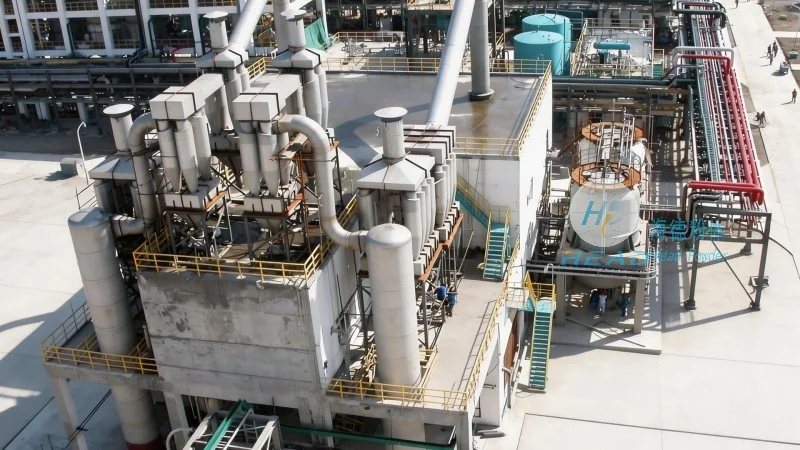
The electric arc furnace dust gas-solid pneumatic conveying system offers several advantages over traditional dust handling methods, such as manual handling or mechanical conveying. First, it provides a fully enclosed and automated process, reducing the risk of dust exposure for workers and minimizing the environmental impact. Second, it eliminates the need for manual labor, improving operational efficiency and reducing labor costs. Third, it ensures consistent and reliable material transport, with minimal loss or contamination. Fourth, it allows for flexible system integration, as the conveying pipeline can be easily reconfigured to accommodate changes in production processes or facility layout. The system is widely used in various industrial applications, including the production of calcium carbide, steelmaking, and other industries where fine dust is generated. It is particularly suitable for facilities that require high-volume material transport over long distances, as the system can handle large quantities of dust efficiently and continuously.
Conclusion and Company Commitment
In conclusion, the electric arc furnace dust gas-solid pneumatic conveying system is a sophisticated and effective solution for handling calcium carbide dust, offering a safe, efficient, and automated method for material transport. The design principles, including proper conveying velocity, effective dust separation, and safety features, are crucial to ensure the system's optimal performance and longevity. HeadPowder Engineering Co., Ltd., with its expertise and experience in the field, provides high-quality pneumatic conveying systems that meet the specific needs of industrial facilities. By leveraging advanced technology and rigorous engineering, HeadPowder ensures that its systems are reliable, durable, and compliant with industry standards. For facilities dealing with calcium carbide dust, investing in a well-designed gas-solid pneumatic conveying system is a strategic decision that enhances operational efficiency, improves safety, and reduces environmental impact.




