Flexible coke powder, a critical raw material in various industrial processes, requires efficient and reliable transportation systems to ensure smooth operations. The method of conveying this material directly impacts production efficiency, safety, and overall operational costs. As industries evolve, the demand for advanced and flexible conveying solutions has grown, leading to the development of specialized systems tailored to the unique properties of coke powder. This article explores the various flexible coke powder conveying methods available, with a particular focus on the advantages and features of pneumatic conveying systems.
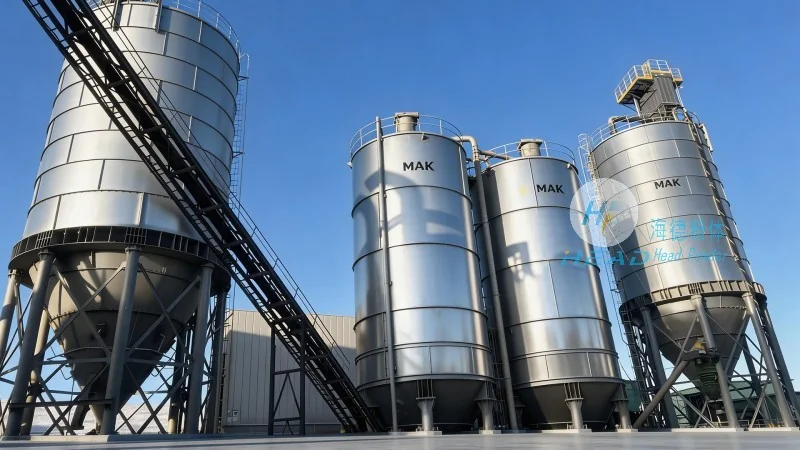
Overview of Flexible Coke Powder Conveying Methods
Conveying flexible coke powder can be achieved through several methods, each with its own set of applications and limitations. Traditional methods such as belt conveyors and screw conveyors have been widely used but often face challenges when dealing with fine, dusty materials like coke powder. These methods may suffer from material buildup, blockages, and increased maintenance requirements. In contrast, pneumatic conveying systems offer a more flexible and efficient solution, particularly for handling fine powders in industrial settings.
Pneumatic Conveying: The Preferred Solution for Flexible Coke Powder
Pneumatic conveying, also known as air conveying, utilizes air or gas to transport materials through a pipeline system. This method is particularly effective for flexible coke powder due to its ability to handle fine particles, prevent dust contamination, and maintain a consistent flow rate. The system typically consists of a blower, a hopper for material storage, and a pipeline network that transports the powder from the source to the destination. Compared to mechanical conveyors, pneumatic systems offer greater flexibility in terms of layout and can easily adapt to changes in production needs.
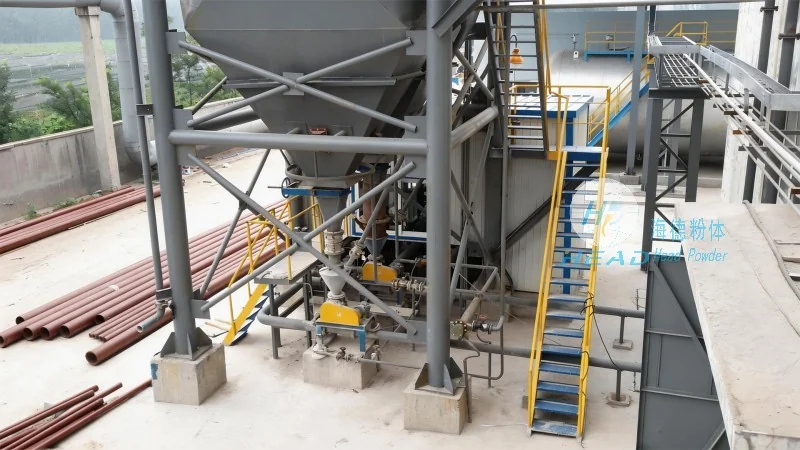
Key Advantages of Flexible Coke Powder Pneumatic Conveying
One of the primary advantages of pneumatic conveying for flexible coke powder is its ability to minimize material loss and contamination. Unlike mechanical systems that may cause friction and particle degradation, pneumatic systems use air to move the material, reducing the risk of dust generation and product degradation. This is crucial in industries where product purity and quality are paramount. Additionally, pneumatic conveying systems are highly efficient in terms of energy consumption, as they can transport large volumes of material with relatively low power input. The system's ability to handle both dry and slightly moist materials makes it versatile for various applications.
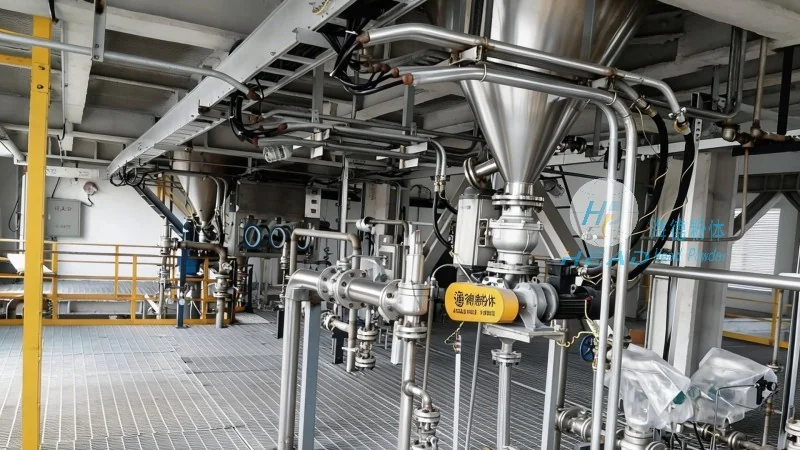
Features of Advanced Flexible Coke Powder Pneumatic Conveying Systems
Modern flexible coke powder pneumatic conveying systems incorporate several advanced features that enhance performance and reliability. These systems often include variable speed blowers that adjust the air flow rate based on the material's characteristics and flow conditions. This ensures optimal conveying efficiency and prevents overpressurization or underpressurization, which can lead to system inefficiencies or damage. Furthermore, advanced control systems allow for real-time monitoring of the conveying process, enabling operators to detect and address issues promptly. The use of high-quality materials and components, such as corrosion-resistant pipelines and durable blower units, extends the system's lifespan and reduces maintenance costs.
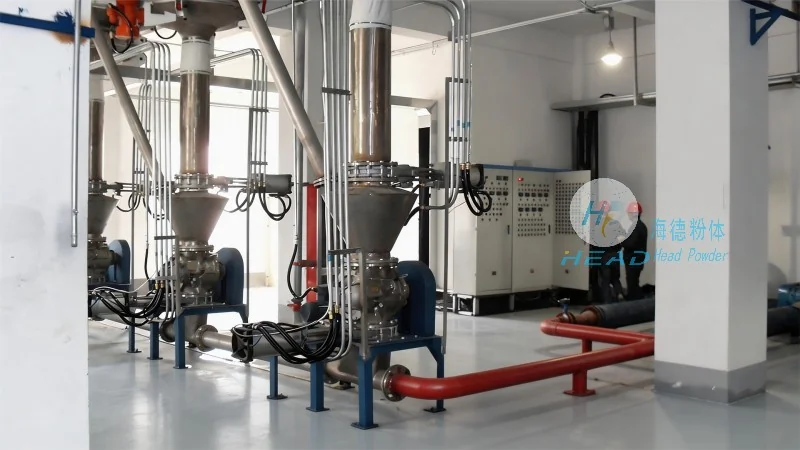
Applications and Industries Benefiting from Flexible Coke Powder Conveying
The benefits of flexible coke powder pneumatic conveying are evident in various industries that rely on coke powder as a key ingredient. In the steel industry, for example, coke powder is used in blast furnaces to reduce iron ore. Efficient conveying systems ensure a steady supply of coke powder, which is critical for maintaining furnace operations. Similarly, in the chemical industry, coke powder is used as a fuel or raw material in various processes. The ability to transport coke powder reliably and safely enhances production continuity and reduces downtime. Other industries, such as cement and pharmaceuticals, also benefit from the precise and controlled delivery of coke powder, which improves product quality and consistency.
Conclusion: The Role of Flexible Coke Powder Pneumatic Conveying in Modern Industry
In conclusion, flexible coke powder pneumatic conveying represents a significant advancement in material handling technology. Its ability to efficiently transport fine, dusty materials while maintaining product quality and safety makes it an ideal solution for modern industrial applications. The advantages of reduced contamination, energy efficiency, and flexibility make it a preferred choice over traditional mechanical conveyors. As industries continue to demand higher performance and reliability from their material handling systems, the adoption of advanced pneumatic conveying solutions will likely increase. For businesses operating in sectors that rely on coke powder, investing in a reliable pneumatic conveying system can lead to improved operational efficiency, reduced costs, and enhanced product quality.




