For manufacturers and suppliers in the lithium battery industry, the efficient and reliable transport of anode materials is a critical aspect of production. The choice of transport method directly impacts production efficiency, material quality, and overall operational costs. This article will explore the various transport methods available for lithium battery anode materials, with a specific focus on the advantages and characteristics of pneumatic conveying as a leading solution.
Introduction to Lithium Battery Anode Material Transport Methods
Lithium battery anode materials, such as graphite, silicon-carbon composites, and other advanced materials, require specialized handling due to their fine particle size and chemical properties. Traditional transport methods like belt conveyors or screw conveyors may not be suitable for all applications, as they can cause material degradation, dust generation, or uneven material flow. Therefore, understanding the different transport options and their suitability for specific anode materials is essential for optimizing production processes.
Common Transport Methods for Lithium Battery Anode Materials
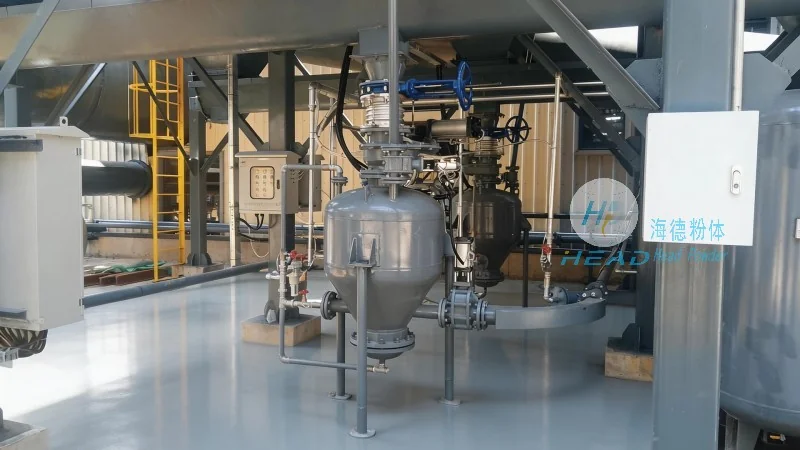
Several transport methods are commonly used in the lithium battery anode material processing industry. These include mechanical conveyors, such as belt conveyors and screw conveyors, which are widely used for bulk material handling. However, these methods have limitations when dealing with fine powders, as they can lead to material segregation and increased dust exposure. Another method is the use of vacuum or pressure pneumatic conveying systems, which offer a more controlled and efficient way to transport anode materials.
Pneumatic Conveying: Advantages and Characteristics for Lithium Battery Anode Materials
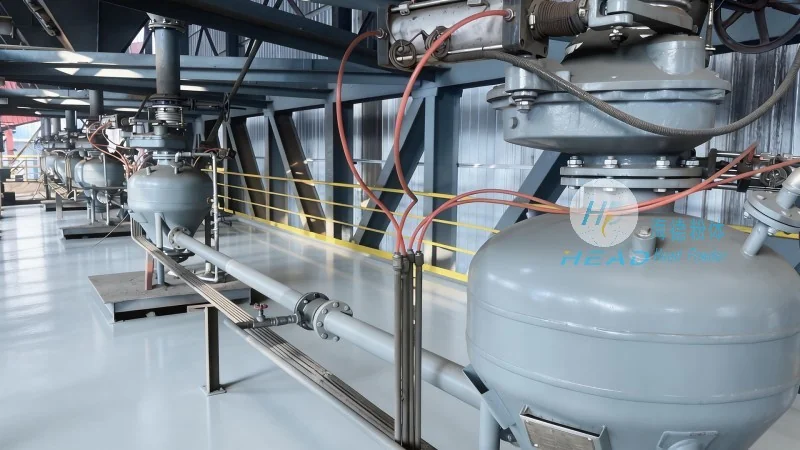
Pneumatic conveying, particularly pressure or vacuum systems, has become a preferred method for transporting lithium battery anode materials due to its numerous advantages. One of the key benefits is the ability to handle fine powders without causing degradation or segregation. The enclosed system minimizes dust emissions, which is crucial for maintaining a clean and safe working environment. Additionally, pneumatic conveying systems can be designed to handle a wide range of particle sizes and material types, making them versatile for different anode material applications.
Another significant advantage is the improved material flow control. Pneumatic systems allow for precise control over the speed and volume of material transport, ensuring consistent production rates. This is particularly important in high-volume production environments where maintaining uniform material flow is essential for product quality. Furthermore, the enclosed nature of pneumatic conveying reduces the risk of contamination from external sources, which is critical for anode materials used in lithium batteries, as even minor impurities can affect battery performance.
Key Characteristics of Pneumatic Conveying for Anode Materials
When considering pneumatic conveying for lithium battery anode materials, several key characteristics should be evaluated. The first is the system's ability to handle fine powders without clogging or blockages. This is achieved through the use of appropriate duct sizes, air velocities, and material feed mechanisms. The design of the conveying line, including bends and transitions, is also critical to ensure smooth material flow and prevent particle degradation.
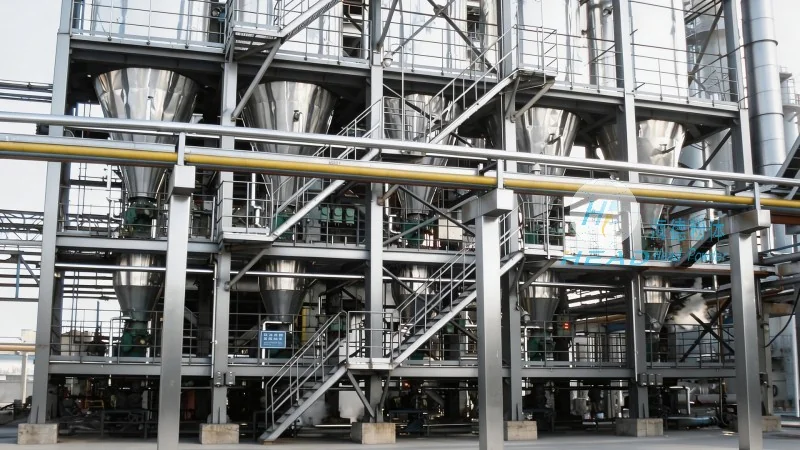
Energy efficiency is another important characteristic. Modern pneumatic conveying systems are designed to optimize air usage, reducing operational costs while maintaining effective material transport. This is achieved through the use of high-efficiency blowers and optimized system layouts. Additionally, the system's flexibility allows for easy integration with existing production lines, minimizing downtime during installation and operation.
Conclusion: Choosing the Right Transport Method for Lithium Battery Anode Materials
In conclusion, the transport method chosen for lithium battery anode materials plays a vital role in the overall efficiency and quality of the production process. While mechanical conveyors have their place in certain applications, pneumatic conveying, especially pressure systems, offers significant advantages in terms of material handling, dust control, and system flexibility. For manufacturers seeking to optimize their anode material transport processes, pneumatic conveying is a reliable and efficient solution that aligns with the demands of modern lithium battery production.




