Rice grain handling and transportation are critical processes in the rice industry, ensuring efficient movement from storage to processing and distribution. Among the various methods available, pneumatic conveying stands out as a versatile and effective solution for transporting rice grains. This article explores common rice grain conveying methods, with a focus on the advantages and applications of pneumatic systems, as offered by Shandong HeadPowder Engineering Co., Ltd., a leading provider of powder and bulk material handling solutions based in China.
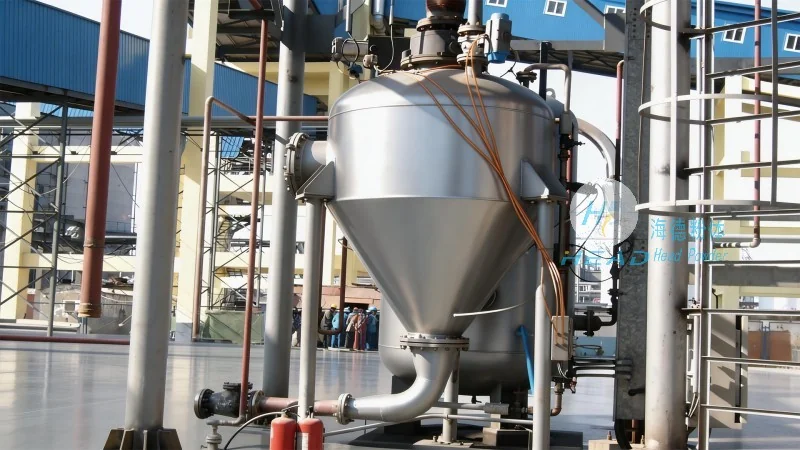
Overview of Pneumatic Conveying for Rice Grains
Pneumatic conveying, also known as air conveying, utilizes compressed air to transport bulk materials like rice grains through a pipeline system. This method is particularly suitable for rice due to its ability to handle fine particles and maintain product integrity during transport. Unlike mechanical systems that rely on belts or buckets, pneumatic conveyors offer a closed-loop system that minimizes contamination and dust exposure, making them ideal for food-grade applications. The core components of a pneumatic rice grain conveying system typically include a hopper for material storage, a blower or compressor to generate airflow, a pipeline network, and a discharge point or receiver.
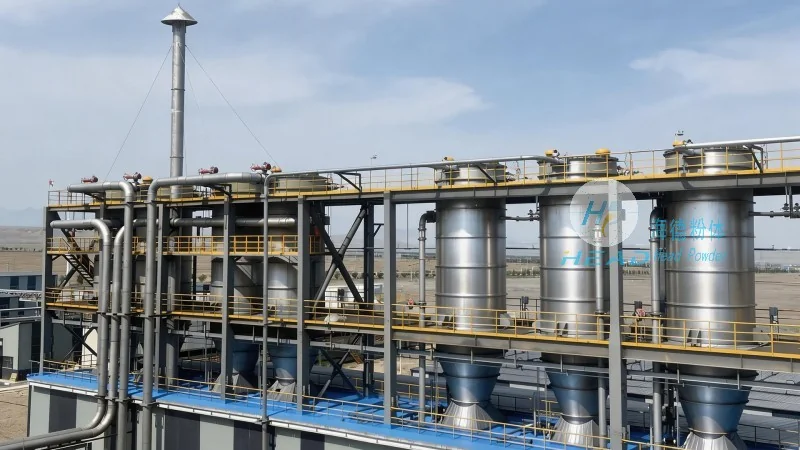
Key Features of Pneumatic Systems for Rice Grain Handling
Shandong HeadPowder Engineering Co., Ltd. specializes in designing and manufacturing pneumatic conveying systems tailored to the unique characteristics of rice grains. These systems are engineered to handle the specific density, size, and moisture content of rice, ensuring optimal performance. Key features include adjustable air pressure and flow rates to control conveying speed, which helps prevent product degradation and damage. The closed system design also reduces the risk of cross-contamination and environmental pollution, aligning with industry standards for food safety. Additionally, pneumatic conveyors can be integrated with other processing equipment, such as milling or packaging lines, creating a seamless workflow in rice processing facilities.
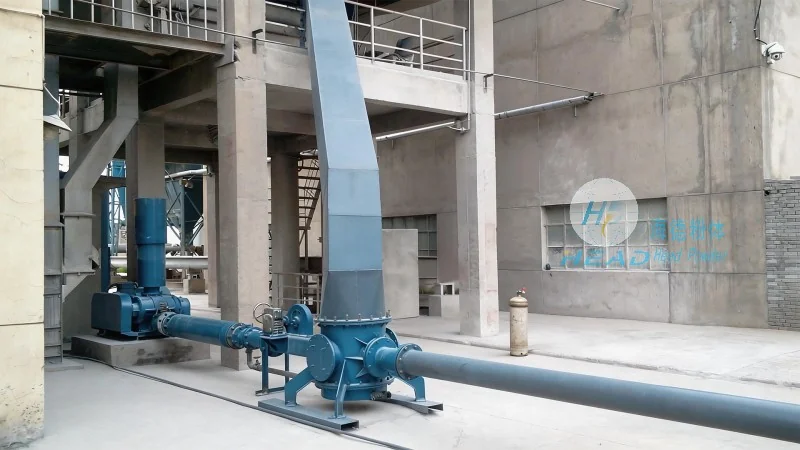
Application Scenarios and Benefits
Pneumatic conveying is widely used in various stages of rice processing, from raw grain storage to finished product distribution. In storage facilities, pneumatic systems can efficiently transfer rice from silos to processing plants, reducing labor costs and improving operational efficiency. During milling operations, pneumatic conveyors are used to move rice between different processing stages, such as cleaning, polishing, and sorting. The flexibility of pneumatic systems allows for horizontal, vertical, or mixed-direction conveying, adapting to the layout of different rice processing plants. The benefits of using pneumatic conveying for rice grains include reduced energy consumption compared to mechanical systems, lower maintenance costs due to fewer moving parts, and enhanced product quality through minimized handling and contamination.
Technical Considerations for Efficient Rice Grain Conveying
Implementing an effective pneumatic conveying system for rice grains requires careful consideration of several technical factors. The first is the selection of the appropriate air velocity, which must be sufficient to lift and transport the rice grains without causing excessive wear on the pipeline or components. Shandong HeadPowder Engineering Co., Ltd. recommends using air velocities between 20 to 30 meters per second for most rice grain applications, ensuring reliable transport while minimizing energy use. Another critical factor is the design of the hopper and inlet, which should be equipped with a feeder to control the flow rate and prevent blockages. The pipeline material and diameter also play a role in system efficiency; stainless steel pipelines are commonly used to prevent corrosion and maintain product purity. Regular maintenance, including cleaning and inspection of the blower and pipeline, is essential to ensure long-term performance and prevent system failures.
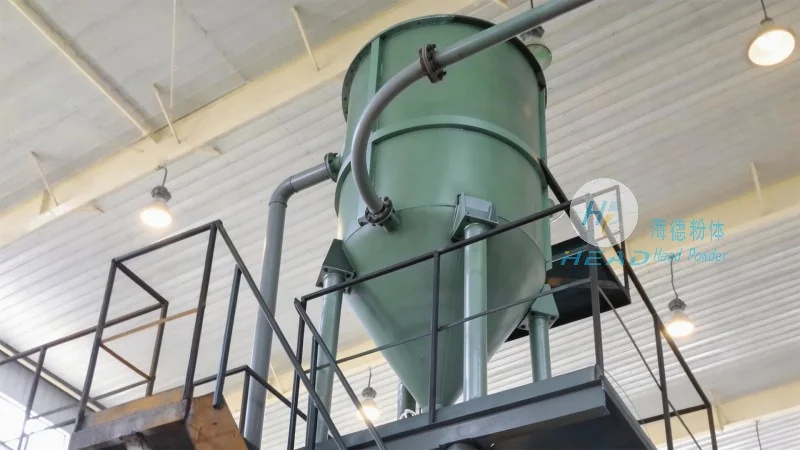
Conclusion and Company Information
Pneumatic conveying represents a modern and efficient solution for transporting rice grains, offering significant advantages over traditional mechanical methods. By leveraging the expertise of Shandong HeadPowder Engineering Co., Ltd., rice processing facilities can enhance their operational efficiency, improve product quality, and reduce costs. With a focus on customized solutions and adherence to industry standards, this company provides reliable pneumatic conveying systems that meet the specific needs of rice grain handling. Based in Shandong, China, Shandong HeadPowder Engineering Co., Ltd. continues to innovate in bulk material handling technology, supporting the global rice industry with advanced and sustainable solutions.




