Urea, a crucial fertilizer and industrial chemical, requires efficient and reliable transportation methods to ensure its safe and timely delivery to various applications. Among the diverse options available, pneumatic conveying stands out as a prominent and effective solution for handling urea. This article explores common urea transportation methods, with a specific focus on the advantages and applications of urea pneumatic conveying.
Understanding Urea Pneumatic Conveying
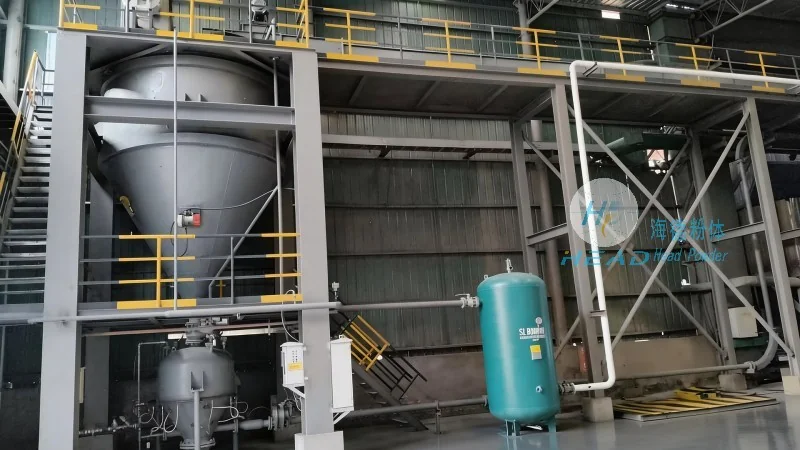
Urea pneumatic conveying is a method that utilizes air or other gases to transport urea particles through a pipeline system. This technique is particularly suitable for bulk urea handling due to its ability to move materials over long distances with minimal mechanical wear and reduced risk of product degradation. The process typically involves a hopper, a conveying line, and a receiver, where compressed air or gas creates a pressure differential to move the urea particles. The efficiency of this method depends on factors such as particle size, moisture content, and the design of the conveying system.
Key Advantages of Urea Pneumatic Conveying
One of the primary benefits of urea pneumatic conveying is its ability to handle large volumes of material with high throughput rates. This makes it ideal for industrial settings where continuous and uninterrupted supply is essential. Additionally, the system minimizes product contamination and dust exposure, which is critical for maintaining the quality of urea, especially in agricultural and food-related applications. The enclosed pipeline design also reduces environmental impact by preventing dust emissions and ensuring compliance with regulatory standards. Furthermore, the flexibility of pneumatic conveying allows for easy integration with existing production lines and the ability to adjust flow rates according to operational needs.
Applications in Industrial and Agricultural Sectors
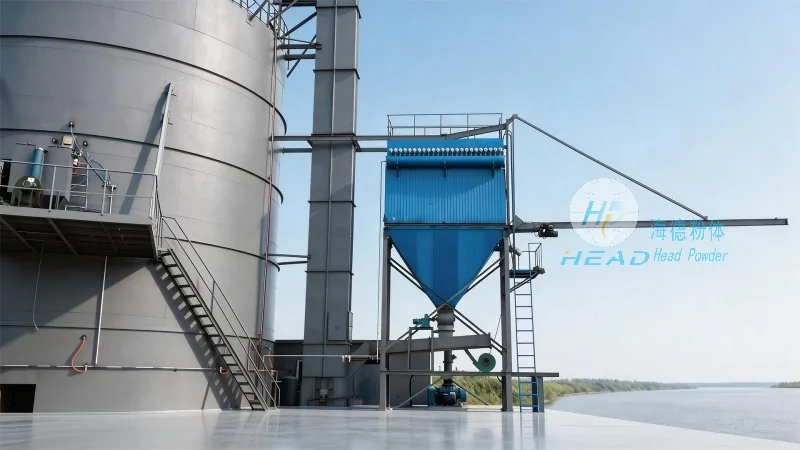
Urea pneumatic conveying is widely used in both industrial and agricultural sectors. In industrial applications, it is employed in fertilizer manufacturing plants, chemical processing facilities, and storage terminals to transport urea from storage silos to processing units or for distribution to end-users. The method is particularly advantageous in regions with challenging terrain or where ground-level transportation is impractical. In agricultural settings, urea is often transported to farms and distribution centers, where it is used as a nitrogen source in crop fertilization. The efficiency of pneumatic conveying ensures that urea reaches its destination in optimal condition, supporting crop growth and productivity.
System Components and Design Considerations
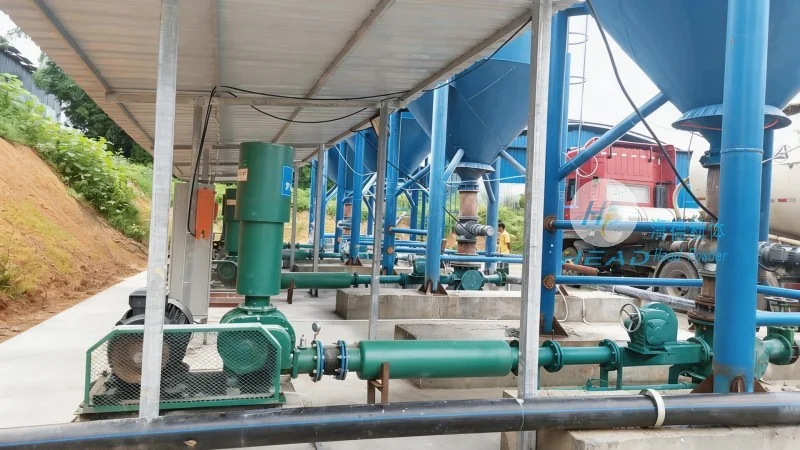
The effectiveness of a urea pneumatic conveying system depends on several key components and design choices. The hopper, where urea is stored before being fed into the system, must be designed to prevent caking and ensure consistent material flow. The conveying line, typically made of stainless steel or other corrosion-resistant materials, is crucial for maintaining product purity and preventing material degradation. The air compressor or blower provides the necessary pressure to move the urea particles, and the receiver at the end of the line collects the material. Design considerations also include the selection of appropriate air velocity, which must be sufficient to overcome the resistance of the pipeline and the weight of the urea particles, while minimizing energy consumption. Proper maintenance of the system, including regular cleaning and inspection of components, is essential to ensure long-term performance and reliability.
Comparison with Other Urea Transportation Methods
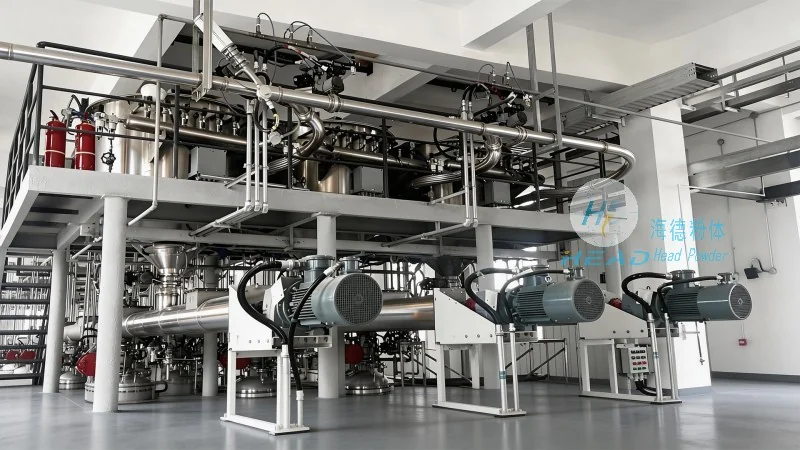
When compared to other transportation methods, such as truck or rail transport, urea pneumatic conveying offers several advantages. Truck transport, while common, is often limited by road infrastructure and may require additional handling steps, increasing the risk of product loss or contamination. Rail transport, on the other hand, can handle larger volumes but may involve longer lead times and higher costs for loading and unloading. Pneumatic conveying, however, provides a more controlled and efficient method, especially for bulk handling. It also reduces the need for manual labor and minimizes the environmental impact associated with traditional transportation methods. While other methods may be suitable for short distances or specific applications, pneumatic conveying remains a preferred choice for long-distance and high-volume urea transportation.
Case Study: HeadPowder Engineering's Urea Pneumatic Conveying Solutions
Shandong HeadPowder Engineering Co., Ltd., a leading provider of bulk material handling solutions, specializes in designing and manufacturing urea pneumatic conveying systems tailored to the specific needs of industrial and agricultural clients. With a focus on innovation and quality, HeadPowder has developed advanced systems that incorporate state-of-the-art technology to enhance efficiency and reliability. The company's expertise in material handling, combined with its commitment to customer satisfaction, has made it a trusted partner for businesses seeking reliable urea transportation solutions. HeadPowder's systems are designed to meet international standards and are equipped with features such as automatic control systems, real-time monitoring, and energy-efficient components, ensuring optimal performance and minimal operational costs. The company's headquarters is located in Shandong, China, where it continues to serve clients globally with its comprehensive range of urea pneumatic conveying solutions.




