When it comes to industrial material handling, efficient and reliable equipment is crucial for optimizing production processes. One such essential piece of machinery is the ton bag unloading pneumatic conveying system. This system is designed to handle large quantities of bulk materials from ton bags, converting them into a manageable form for further processing or transportation. In this article, we will explore what this equipment is and delve into its fundamental design principles, providing a comprehensive understanding of its functionality and application.
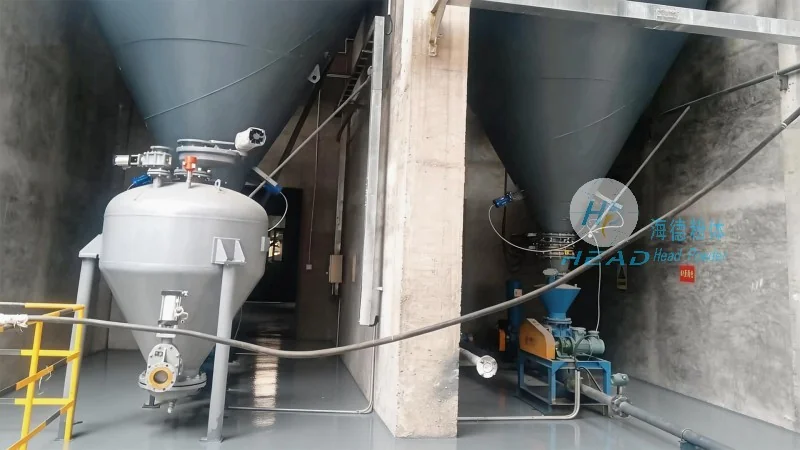
Understanding the Ton Bag Unloading Pneumatic Conveying System
The ton bag unloading pneumatic conveying system is a specialized industrial solution used primarily in industries that deal with bulk materials, such as chemicals, food products, and pharmaceuticals. It is designed to safely and efficiently transfer material from large, heavy-duty bags, often referred to as ton bags, into a processing line or storage system. The system typically consists of several key components, including a hopper, a vacuum or pressure source, a conveying line, and a material receiver. Each component plays a critical role in the overall operation, ensuring smooth and continuous material handling.
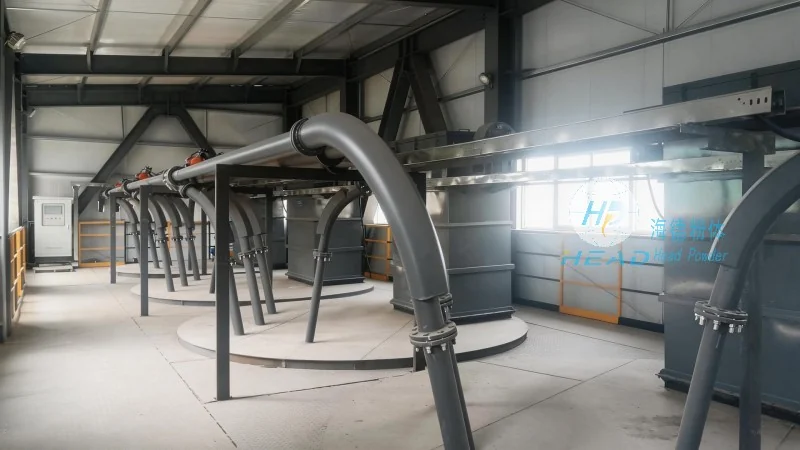
Key Components and Their Functions
At the heart of the ton bag unloading pneumatic conveying system are several integral parts that work in tandem to achieve effective material transfer. The first component is the hopper, which is usually made of stainless steel or other corrosion-resistant materials. Its primary function is to collect the material from the ton bag as it is emptied. The hopper is equipped with a discharge valve or gate that controls the flow of material into the conveying system. Next, the vacuum or pressure source, which can be a rotary vane pump, a blower, or a compressor, generates the necessary air flow to move the material through the system. This air flow creates a pressure differential that propels the material along the conveying line. The conveying line itself is typically made of flexible or rigid tubing, depending on the system design and the material being handled. It is often lined with materials that are resistant to abrasion and corrosion to ensure longevity and prevent material buildup. Finally, the material receiver is where the conveyed material is deposited, either for further processing or storage. This component is designed to handle the volume of material being transferred and may include features such as a filter or a dust collection system to maintain air quality and prevent contamination.
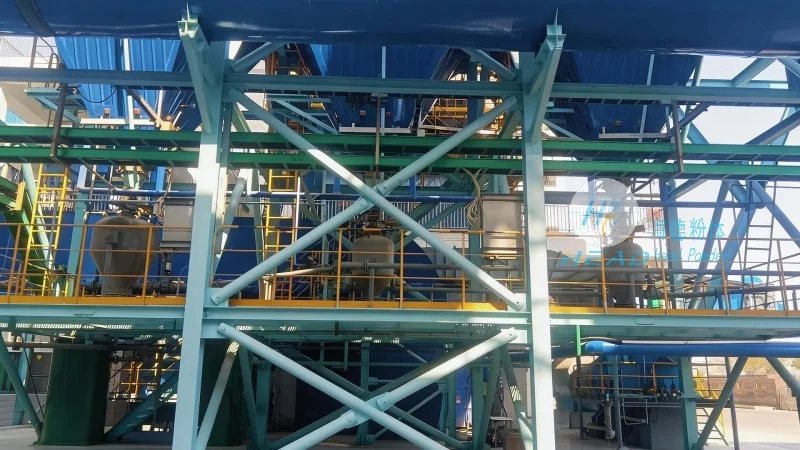
Design Principles Behind the System
The design principles of the ton bag unloading pneumatic conveying system are centered around efficiency, safety, and adaptability. The system is engineered to handle a wide range of materials, from fine powders to coarse granules, with minimal degradation or loss. The design takes into account the physical properties of the material, such as its density, moisture content, and flowability, to optimize the conveying process. For instance, the hopper design may include features like a conical bottom or a vibratory feeder to improve material flow and prevent clogging. The air flow rate is carefully calculated to ensure that the material is fully entrained and transported without excessive pressure drops or particle separation. Additionally, the system is designed with safety in mind, incorporating features such as explosion-proof components, dust collection systems, and emergency shut-off valves to prevent accidents and protect personnel. The adaptability of the system is also a key design principle, as it can be customized to meet the specific needs of different industries and applications. This includes adjusting the conveying line length, the air flow rate, and the material receiver size to accommodate varying production volumes and material types.
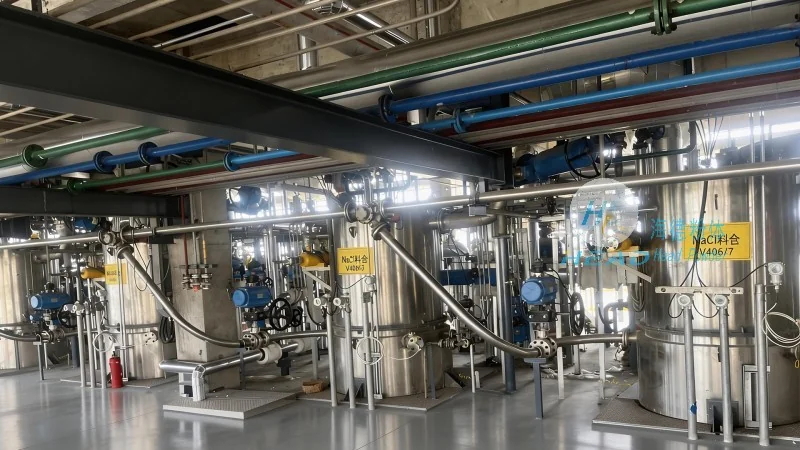
Applications and Benefits
The ton bag unloading pneumatic conveying system finds applications in various industries where bulk material handling is essential. In the chemical industry, it is used to transfer raw materials and finished products, ensuring a continuous supply of materials for production. In the food and beverage industry, it is employed to handle ingredients like flour, sugar, and spices, maintaining product quality and hygiene. The pharmaceutical industry also utilizes this system to transfer active ingredients and other materials, adhering to strict regulatory standards for cleanliness and safety. The benefits of using this system are numerous. It offers a dust-free and enclosed material handling process, reducing the risk of contamination and improving workplace safety. It also increases operational efficiency by automating the material transfer process, reducing manual labor and minimizing downtime. Furthermore, the system is designed to be low maintenance, with components that are easy to replace and service, reducing overall operational costs. The adaptability of the system allows it to be integrated into existing production lines, making it a cost-effective solution for upgrading or expanding material handling capabilities.




