HeadPowder, a leading engineering company based in Shandong, China, specializes in the design and implementation of pneumatic conveying systems for battery cathode materials. This technology is crucial in the modern battery manufacturing process, ensuring efficient and safe material handling from production to processing stages.
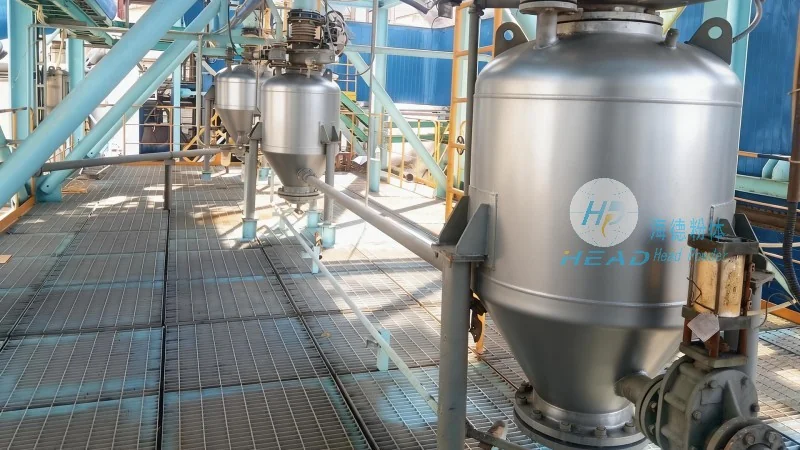
Pneumatic Conveying of Battery Cathode Materials: An Overview
Battery cathode materials, such as lithium cobalt oxide (LCO), lithium iron phosphate (LFP), and nickel manganese cobalt oxide (NMC), require precise and controlled handling to maintain their quality and prevent contamination. Pneumatic conveying offers a solution by using air or other gases to transport these materials through a system of pipes and ducts. This method is particularly advantageous for handling fine powders and granules, which are common in cathode material production.
The Core Design Principles of Pneumatic Conveying Systems
The design of a pneumatic conveying system for battery cathode materials involves several key principles to ensure optimal performance and reliability. First, the system must be designed to handle the specific properties of the materials, including particle size, density, and moisture content. This requires careful selection of components such as air compressors, cyclones, and filters to prevent blockages and maintain material flow.
Second, the system must ensure minimal material degradation and contamination. This is achieved through the use of high-quality materials for the conveying lines, such as stainless steel or special alloys, and the incorporation of filtration systems to remove dust and impurities. The design also considers the need for gentle handling to avoid agglomeration or damage to the cathode particles, which could affect battery performance.
Third, the system must be energy-efficient and cost-effective. This involves optimizing the air pressure and flow rates to minimize energy consumption while maintaining the required conveying capacity. The design may also include features like pulse-jet cleaning of filters and variable speed drives to adjust to varying material loads.
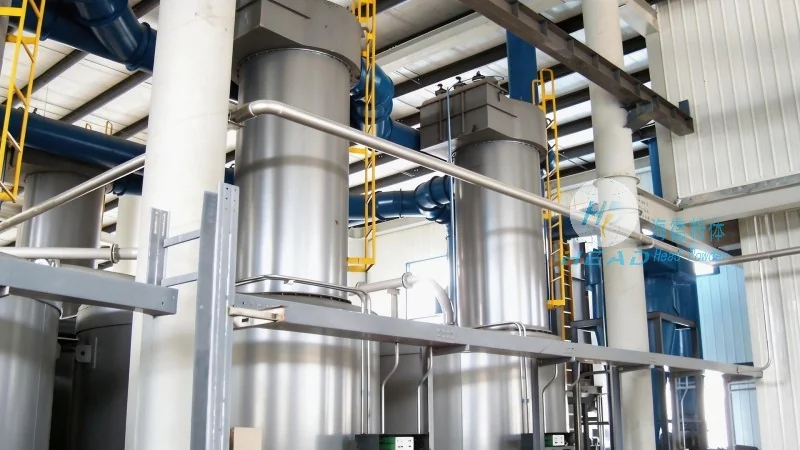
Components and Functionality of the Conveying System
A typical pneumatic conveying system for battery cathode materials consists of several key components. The primary components include a material hopper or feeder, an air compressor or blower, a conveying line (usually made of stainless steel or plastic), and a receiver or collection tank. The system operates by feeding the cathode material into the hopper, where it is then drawn into the conveying line by the air flow generated by the compressor.
The air flow creates a negative pressure in the line, which pulls the material particles along with it. The material is then separated from the air at the receiver end, typically using a cyclone separator or a bag filter. The separated material is collected in the receiver, while the air is filtered and discharged back into the environment. The system may also include additional components such as rotary valves, check valves, and pressure relief valves to control the flow and pressure within the system.
Advantages of Pneumatic Conveying for Battery Cathode Materials
Pneumatic conveying offers several advantages over traditional mechanical conveying methods for battery cathode materials. One of the main advantages is the ability to handle fine powders and granules without the need for moving parts that could cause contamination or wear. This results in higher material purity and longer equipment life. Another advantage is the flexibility of the system, which can be easily modified to accommodate changes in material type or production capacity.
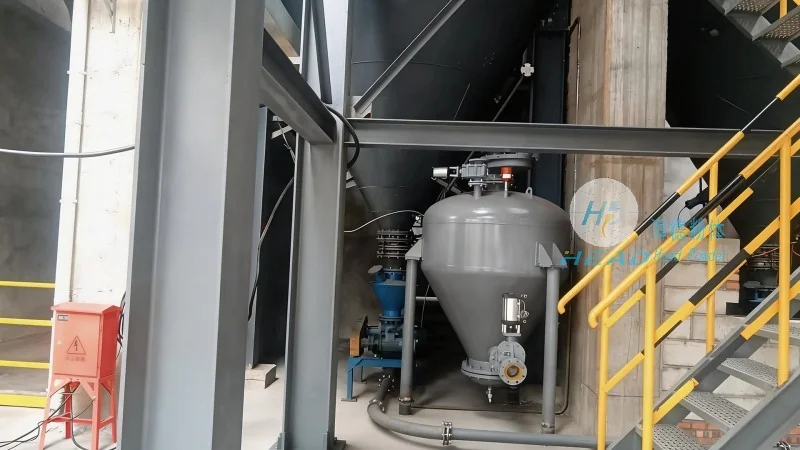
Additionally, pneumatic conveying systems are generally more compact and require less floor space compared to other conveying methods. This is particularly beneficial in battery manufacturing facilities where space is limited. The system also provides better control over the material flow, allowing for precise dosing and mixing of the cathode materials, which is critical for achieving consistent battery performance.
Applications in Battery Manufacturing
The pneumatic conveying of battery cathode materials is widely used in various stages of battery production. In the raw material handling stage, the system can transport raw materials like lithium, cobalt, and nickel from storage to the production line. In the mixing and blending stage, the system can deliver the different components of the cathode material to the mixing equipment, ensuring uniform mixing and accurate composition. In the final processing stage, the system can transport the finished cathode material to the battery cell assembly line.
By integrating pneumatic conveying systems into the battery manufacturing process, companies can improve production efficiency, reduce material waste, and enhance product quality. The technology also contributes to a safer working environment by eliminating the need for manual handling of powders, which can be hazardous due to dust inhalation and potential explosions.
Conclusion
HeadPowder Engineering Co., Ltd., with its headquarters in Shandong, China, provides comprehensive solutions for the pneumatic conveying of battery cathode materials. The company's expertise in designing and implementing these systems ensures that clients can benefit from the advantages of this technology, including improved efficiency, reduced costs, and enhanced product quality. By adhering to the core design principles and utilizing high-quality components, HeadPowder helps battery manufacturers achieve their production goals while maintaining the highest standards of safety and environmental compliance.




