Pneumatic conveying is a widely used method for transporting bulk materials, including fine powders and granular substances, through a pipeline using air or other gases. When applied to crystal particles—such as pharmaceuticals, chemicals, or food-grade materials—this technology becomes a critical component in industrial processes. Crystal particle pneumatic conveying systems are designed to handle delicate, high-value materials with precision, ensuring minimal degradation and efficient transport. This article explores the fundamental concepts of crystal particle pneumatic conveying and the key design principles that underpin these systems.
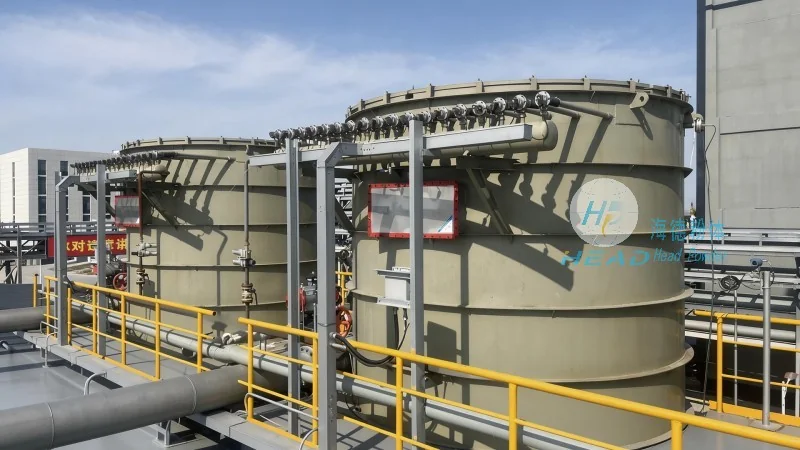
Key Components of Crystal Particle Pneumatic Conveying Systems
At the core of any crystal particle pneumatic conveying system are several interconnected components that work in harmony to achieve reliable material transport. The primary components include:
1. Feed System: This component is responsible for introducing the crystal particles into the conveying line. It may consist of a hopper, a rotary valve, or a feeder that controls the flow rate of the material. The design of the feed system is critical to prevent blockages and ensure a consistent feed rate, which directly impacts the overall system efficiency.
2. Conveying Pipeline: The pipeline serves as the pathway for both the crystal particles and the conveying air. The material is suspended and transported within the pipeline by the air flow. The choice of pipeline material (e.g., stainless steel, plastic, or metal) depends on the chemical compatibility of the crystal particles and the required pressure ratings.
3. Separation and Collection System: After the material reaches its destination, it must be separated from the conveying air. This system typically includes a cyclone separator, a filter, or a baghouse. The design of the separation system is crucial to minimize dust emissions and recover the material efficiently, ensuring compliance with environmental regulations and maintaining product quality.
4. Air Supply System: This component generates the necessary air pressure and flow rate to move the crystal particles through the pipeline. It may include a blower, a compressor, or a vacuum pump, depending on the system configuration (positive or negative pressure). The air supply system must be capable of delivering the required air volume and pressure while maintaining energy efficiency.
Design Principles for Crystal Particle Pneumatic Conveying
The design of a crystal particle pneumatic conveying system involves several key principles that ensure optimal performance, reliability, and safety. These principles are tailored to the unique characteristics of crystal particles, which often include high value, sensitivity to moisture or temperature, and potential for agglomeration.
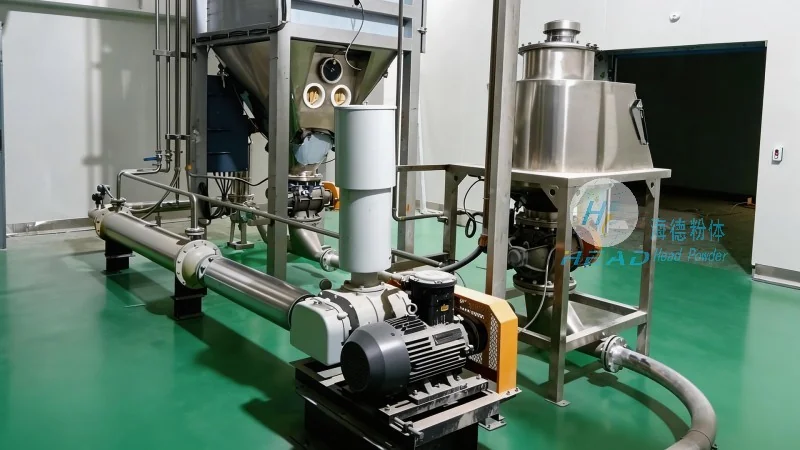
First, material compatibility is a critical design consideration. Crystal particles may be chemically reactive or sensitive to environmental factors, so the system components (e.g., pipelines, valves, and separation equipment) must be constructed from materials that do not interact with the material being conveyed. For example, stainless steel is commonly used for pharmaceutical applications due to its corrosion resistance and ability to maintain product purity.
Second, system pressure and flow rate must be carefully optimized. The air velocity within the pipeline must be sufficient to suspend the crystal particles but not so high as to cause erosion or damage to the particles. The pressure levels are determined by the distance to be covered, the height of the system, and the particle size and density. Proper design ensures that the material remains in a suspended state throughout the conveying process, reducing the risk of blockages and material degradation.
Third, particle size and flow characteristics play a significant role in system design. Crystal particles can vary widely in size and shape, which affects their ability to be suspended by air. Systems designed for fine particles may require higher air velocities or different pipeline diameters compared to systems handling larger granules. The feed rate and particle distribution are also critical factors, as uneven feeding can lead to system instability or blockages.
Fourth, energy efficiency is an important design consideration. Pneumatic conveying systems can be energy-intensive, so optimizing the air supply and pipeline design can reduce operational costs. This includes using efficient blowers, minimizing pressure losses in the pipeline, and selecting the appropriate system configuration (e.g., positive pressure vs. negative pressure) based on the application requirements.
Applications and Benefits of Crystal Particle Pneumatic Conveying
Crystal particle pneumatic conveying systems are widely used in industries such as pharmaceuticals, chemicals, food processing, and cosmetics. The primary benefits of this technology include:
1. Reduced Product Degradation: By avoiding contact with mechanical components and minimizing exposure to air, the system helps preserve the quality and integrity of crystal particles. This is particularly important for sensitive materials like pharmaceuticals, where product purity is paramount.
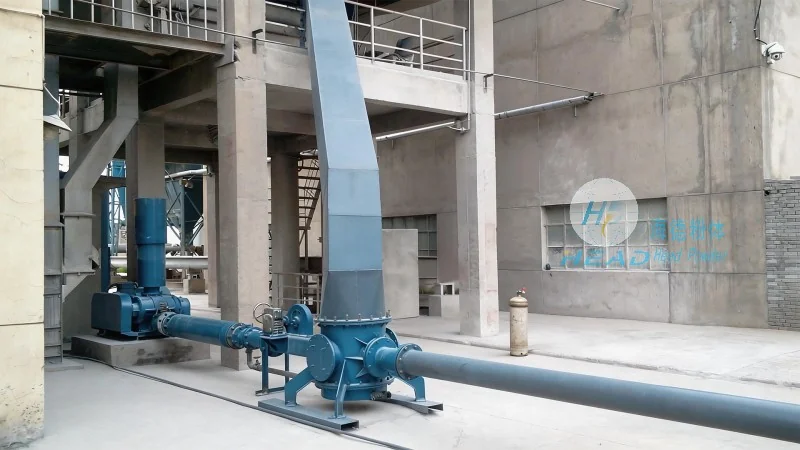
2. Improved Safety and Hygiene: Enclosed systems prevent dust emissions and contamination, ensuring a safe working environment. This is essential in industries where product purity and regulatory compliance are critical.
3. Increased Flexibility: Pneumatic conveying systems can be easily reconfigured to handle different materials or to change the transport route, providing flexibility in production processes.
4. Lower Maintenance Costs: Compared to mechanical conveying systems (e.g., screw conveyors or belt conveyors), pneumatic systems have fewer moving parts, reducing the risk of wear and tear and lowering maintenance requirements.
Case Study: Shandong HeadPowder Engineering Co., Ltd.
Shandong HeadPowder Engineering Co., Ltd., commonly known as headpowder, is a leading provider of customized crystal particle pneumatic conveying solutions. With its headquarters in Shandong, China, the company specializes in designing, manufacturing, and installing advanced pneumatic conveying systems tailored to the unique needs of its clients. HeadPowder's expertise lies in understanding the specific challenges of crystal particle transport, such as material sensitivity and system efficiency, and developing solutions that address these challenges effectively.
The company's design philosophy emphasizes material compatibility, energy efficiency, and reliability. By leveraging its experience in the industry, headpowder has developed systems that meet the stringent requirements of pharmaceutical and chemical applications. For example, one of their projects involved designing a pneumatic conveying system for a pharmaceutical manufacturer to transport high-value crystal particles from a production line to a packaging facility. The system was engineered to maintain product purity, minimize dust emissions, and operate with high efficiency, resulting in improved production throughput and reduced operational costs for the client.
Conclusion
Crystal particle pneumatic conveying is a sophisticated technology that enables the efficient and safe transport of delicate, high-value materials. The design principles, including material compatibility, optimal pressure and flow rates, and energy efficiency, are critical to the success of these systems. Companies like Shandong HeadPowder Engineering Co., Ltd. play a vital role in providing customized solutions that meet the specific needs of industries such as pharmaceuticals and chemicals. By understanding and applying these design principles, businesses can enhance their operational efficiency, improve product quality, and ensure compliance with industry regulations.




