For industrial applications involving the handling of kaolin, efficient and reliable material transport is crucial. This is where kaolin pneumatic conveying systems come into play, offering a solution that minimizes dust generation and ensures smooth material flow. Understanding the fundamentals of this technology, including its design principles, is essential for optimizing operations and maintaining product quality.
Introduction to Kaolin Pneumatic Conveying
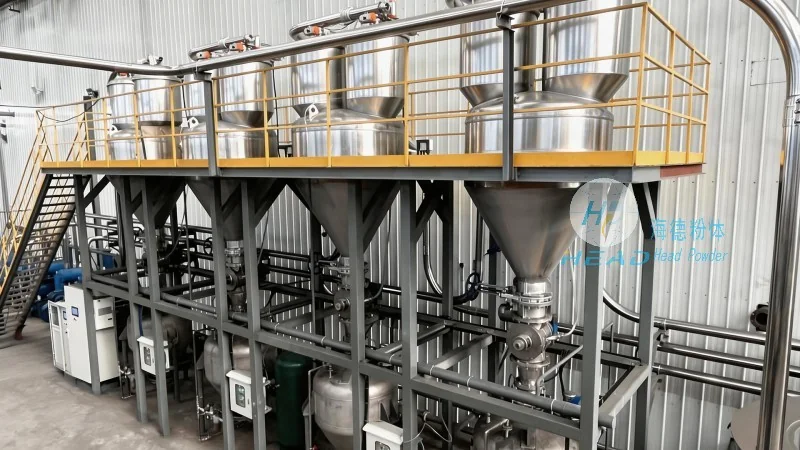
Kaolin, a type of clay mineral widely used in various industries such as paper, ceramics, and cosmetics, requires specialized handling methods due to its fine particle size and tendency to generate dust. Pneumatic conveying, which uses air to transport bulk materials, provides an effective solution for moving kaolin from storage to processing equipment. This method not only enhances safety by reducing airborne dust but also improves process efficiency by enabling continuous material flow.
Key Components of a Kaolin Pneumatic Conveying System
The design of a kaolin pneumatic conveying system involves several critical components that work in tandem to ensure optimal performance. These components include the material feed system, air supply unit, conveying line, and collection equipment. Each component is carefully selected and configured to handle the specific characteristics of kaolin, such as its particle size distribution and moisture content.
Material Feed System
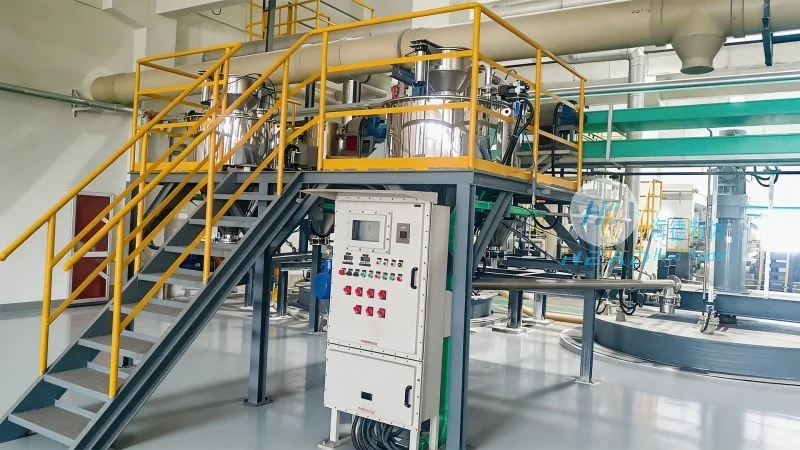
The material feed system is the initial stage of the kaolin pneumatic conveying process. It typically consists of a hopper or silo that stores the kaolin, along with a feeder mechanism like a rotary valve or screw conveyor. The feeder regulates the flow of material into the conveying line, ensuring a consistent and controlled feed rate. For kaolin, which can be prone to bridging or caking, the feeder design must be robust to prevent blockages and maintain smooth material discharge.
Air Supply Unit
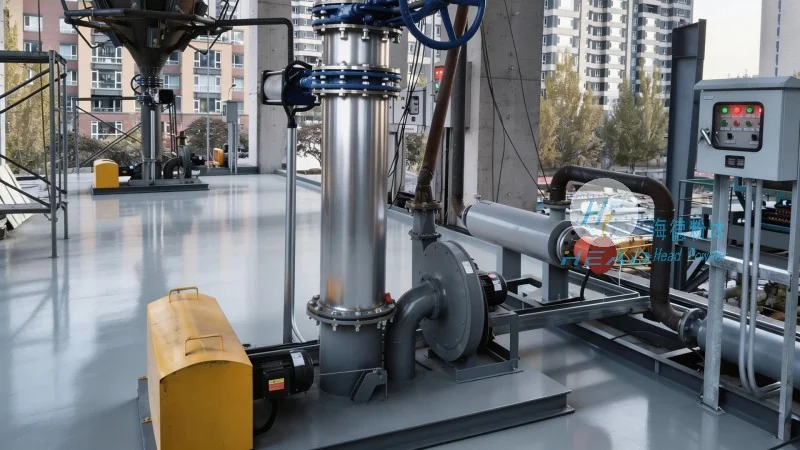
The air supply unit is responsible for generating the necessary pressure and airflow to move the kaolin particles through the conveying line. This unit usually includes a blower or compressor, along with a filter and regulator to maintain clean and consistent air quality. The air pressure and flow rate are critical parameters that must be optimized based on the kaolin's particle size and the system's overall capacity. Proper air management ensures that the material is conveyed efficiently without excessive energy consumption or pressure loss.
Conveying Line
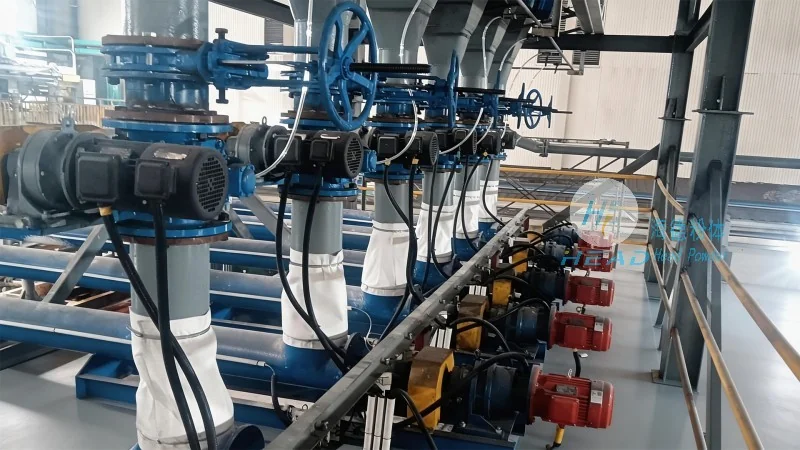
The conveying line is the core of the pneumatic system, where the kaolin travels from the feed point to the collection point. It is typically made of metal or plastic tubing, with the choice of material depending on the kaolin's chemical properties and the operating conditions. The line may include bends, elbows, and expansion joints to accommodate changes in direction and elevation. To minimize pressure drop and ensure uniform flow, the conveying line is designed with smooth transitions and appropriate diameter to match the system's capacity. For kaolin, which can be abrasive, the line material must be durable to prevent wear and maintain long-term performance.
Collection Equipment
The collection equipment is the final stage of the kaolin pneumatic conveying system, where the material is deposited into the processing equipment or storage container. This component may include a cyclone separator or a baghouse filter to separate the kaolin from the air stream. The separator uses centrifugal force to separate the particles from the air, while the filter captures any remaining dust. The design of the collection equipment must be efficient to prevent material loss and ensure that the air is clean before being released back into the environment. For kaolin applications, the collection system must be capable of handling fine particles and maintaining high collection efficiency to comply with environmental regulations.
Design Principles for Optimal Kaolin Pneumatic Conveying
The design principles of a kaolin pneumatic conveying system are guided by several key factors to achieve maximum efficiency and reliability. These principles include matching the system's capacity to the material flow rate, optimizing air pressure and flow rate, and ensuring proper line sizing and material selection. The system must also be designed to handle the specific characteristics of kaolin, such as its moisture content and particle size distribution. Additionally, the system should incorporate features that enhance safety, such as dust suppression and explosion-proofing, to protect personnel and equipment.
Considerations for Kaolin Pneumatic Conveying
When designing a kaolin pneumatic conveying system, several factors must be considered to ensure its effectiveness and longevity. These factors include the material's physical properties, the system's operating environment, and the required throughput. The particle size and density of kaolin affect the air velocity needed for conveying, while the moisture content can impact the material's flowability and dust generation. The system's location and surrounding environment also play a role, as factors like temperature and humidity can influence the air properties and material behavior. By carefully evaluating these factors, engineers can design a system that meets the specific needs of the kaolin handling application.
Conclusion
Kaolin pneumatic conveying is a sophisticated technology that offers significant advantages over traditional material handling methods, particularly for fine powders like kaolin. By understanding the design principles and key components of such a system, industries can optimize their operations, improve product quality, and enhance safety. As a leading provider in this field, Shandong HeadPowder Engineering Co., Ltd. specializes in designing and manufacturing customized kaolin pneumatic conveying systems tailored to the unique requirements of each application. With a focus on efficiency, reliability, and environmental compliance, HeadPowder ensures that their systems deliver the best possible performance for handling kaolin and other similar materials.




