Working Principle and Features of Glass Raw Material Conveying Lines
Release time:2026-09-17 23:01:21
name of the company:Shandong Headpowder Engineering Co., Ltd.
telephone:156-6277-7102
contacts:Zhang manager
For manufacturers in the glass industry, efficient and reliable handling of raw materials is crucial to ensuring production quality and operational efficiency. The glass raw material conveying line, a specialized system designed to transport bulk materials such as sand, soda ash, limestone, and other additives, plays a vital role in the production process. This article explores the working principle and key features of such systems, highlighting how they contribute to seamless material handling in glass manufacturing facilities.
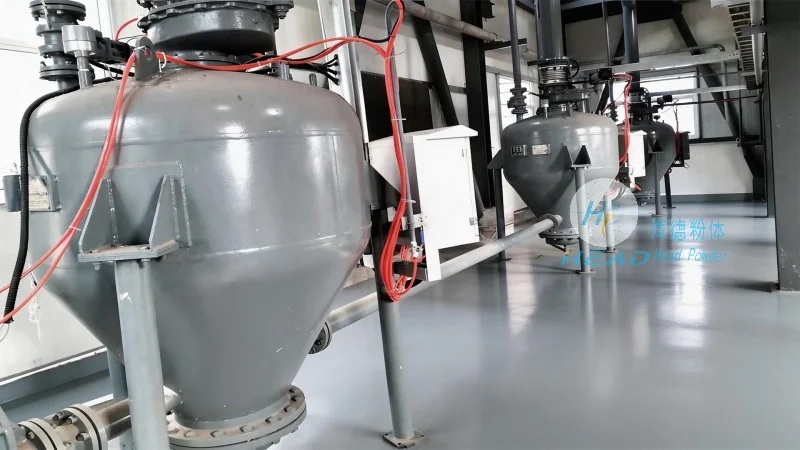
Working Principle of Glass Raw Material Conveying Lines
The core function of a glass raw material conveying line is to transport bulk raw materials from storage areas to the glass melting furnace. The system typically consists of several components, including feeders, conveyors (such as belt conveyors, screw conveyors, or pneumatic conveyors), and control systems. The working principle involves the following steps:
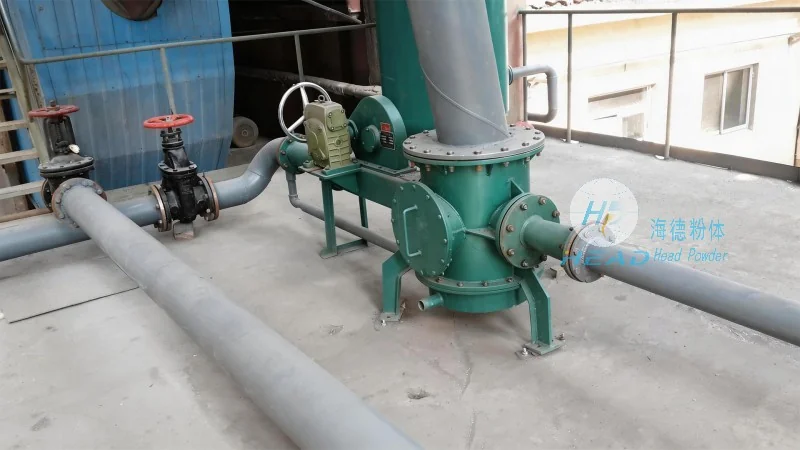
- Material Storage and Preparation: Raw materials are stored in silos or hoppers. A feeder, often a rotary valve or a screw feeder, regulates the flow of material from the storage vessel into the conveyor system.
- Conveyance: The feeder delivers the material to a conveyor. Belt conveyors are commonly used for horizontal or slight incline transport due to their ability to handle large volumes and abrasive materials. Screw conveyors are suitable for vertical or inclined transport, providing consistent material flow. Pneumatic conveyors use air pressure to move powders and fine particles, which is ideal for dust-sensitive or high-purity materials.
- Distribution and Metering: At the receiving end, the material is often distributed to multiple feed points or mixed with other additives. Metering devices ensure precise proportioning of each ingredient, which is critical for maintaining the chemical composition of the glass batch.
- Control and Monitoring: Modern conveying lines are equipped with sensors and control panels that monitor flow rates, pressure, and material levels. This allows operators to adjust the system in real-time, optimizing performance and preventing overloading or blockages.
Key Features of Glass Raw Material Conveying Lines
Effective glass raw material conveying lines are characterized by several key features that enhance their performance and reliability:
- Material Compatibility: The equipment is designed to handle abrasive and corrosive materials without degradation. Materials like stainless steel, high-grade alloys, or specialized coatings are used for components that come into direct contact with the raw materials to prevent wear and contamination.
- High Efficiency and Capacity: These systems are engineered to handle high volumes of material with minimal downtime. The use of robust conveyor mechanisms and efficient feeding systems ensures consistent throughput, supporting continuous production cycles.
- Precise Metering and Proportioning: Accurate measurement of each raw material is essential for achieving the desired glass composition. Advanced metering devices, such as gravimetric feeders or volumetric screw feeders, provide precise control over the amount of each ingredient added to the batch.
- Safety and Environmental Considerations: Modern conveying lines incorporate safety features like emergency stop buttons, overload protection, and dust collection systems. These measures help maintain a safe working environment and comply with environmental regulations.
- Modular and Scalable Design: Many systems are designed as modular units, allowing for easy expansion or integration with existing production lines. This flexibility enables manufacturers to adapt to changing production needs without major overhauls.
Applications and Benefits in Glass Manufacturing
Glass raw material conveying lines are widely used in various glass production processes, including container glass, flat glass, and specialty glass manufacturing. The benefits of implementing such systems include improved production efficiency, reduced labor costs, enhanced product quality through precise material control, and minimized material waste. By streamlining the material handling process, these systems contribute to overall operational excellence in glass manufacturing.
Conclusion
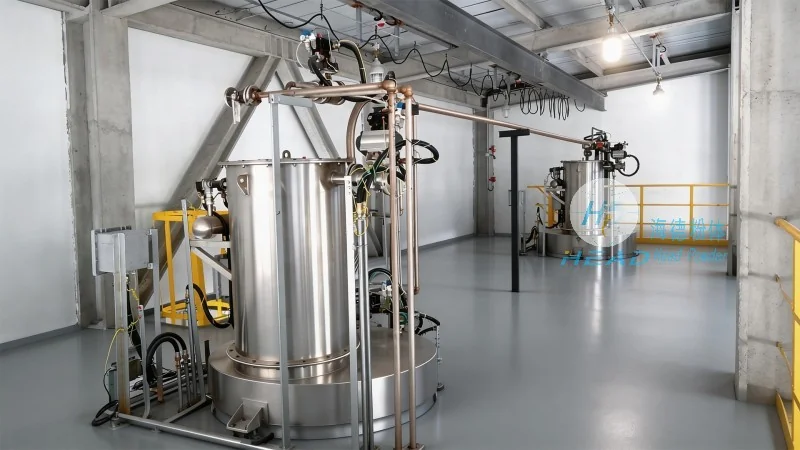
Understanding the working principle and features of glass raw material conveying lines is essential for glass manufacturers seeking to optimize their production processes. The integration of advanced technology, robust design, and precise control ensures that these systems deliver reliable performance, supporting high-quality glass production while maintaining operational efficiency. As a leading provider in the industry, Shandong HeadPowder Engineering Co., Ltd. specializes in designing and manufacturing customized conveying solutions tailored to the specific needs of glass manufacturers, ensuring that each system meets the highest standards of performance and reliability.




