Classification and Application Analysis of Monocrystalline Silicon Pneumatic Conveying Systems
Release time:2026-09-14 10:48:53
name of the company:Shandong Headpowder Engineering Co., Ltd.
telephone:156-6277-7102
contacts:Zhang manager
Monocrystalline silicon is a critical material in the semiconductor industry, and the efficient handling of this material is essential for production efficiency and product quality. Pneumatic conveying systems have become a popular choice for transporting monocrystalline silicon due to their ability to handle delicate materials with minimal contamination and damage. This article provides an overview of the classification of monocrystalline silicon pneumatic conveying systems and their practical applications in industrial settings.
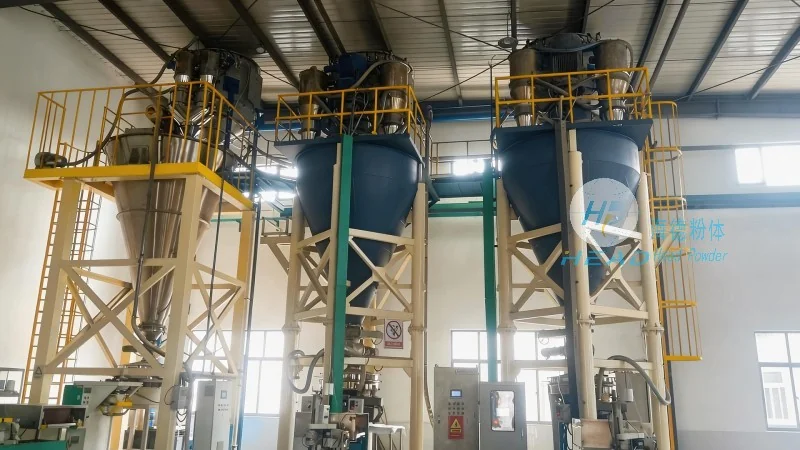
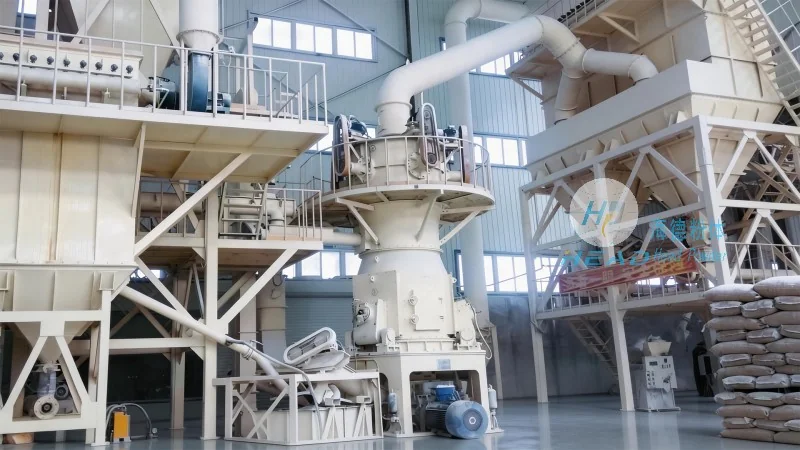
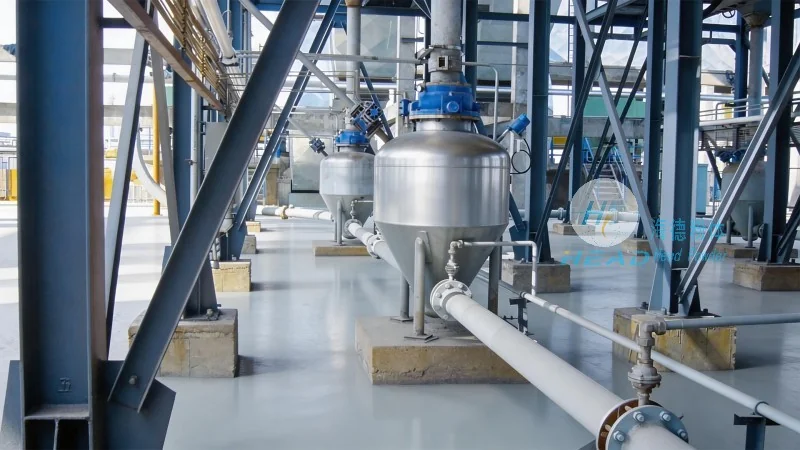
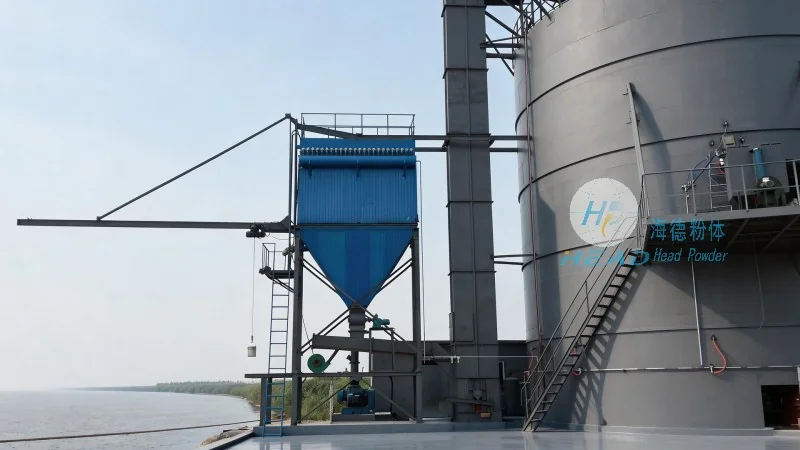
Overview of Monocrystalline Silicon Pneumatic Conveying Systems
Monocrystalline silicon pneumatic conveying systems are designed to transport silicon wafers or silicon powder from one location to another using compressed air or other gas as the conveying medium. These systems are typically classified based on the type of conveying mechanism and the material being transported. The main categories include dilute-phase and dense-phase pneumatic conveying systems.
Dilute-Phase Pneumatic Conveying Systems
Dilute-phase systems are commonly used for transporting monocrystalline silicon powder or small particles. In this system, the material is suspended in a high-velocity air stream, allowing it to be transported over long distances with minimal pressure drop. The system typically consists of a hopper, a rotary airlock valve, a conveying line, and a receiver. The air velocity is maintained above the material's terminal velocity to ensure proper suspension and prevent material settling. Dilute-phase systems are suitable for applications where the material is relatively light and the conveying distance is short to moderate.




