Cellulose pneumatic conveying systems represent a critical technology in material handling, particularly for the efficient transport of cellulose-based materials. These systems utilize air or gas as the conveying medium to move bulk materials like cellulose fibers, powders, or granules from one location to another. The classification and application of such systems are essential for optimizing industrial processes, enhancing operational efficiency, and ensuring the safe and reliable movement of cellulose materials.
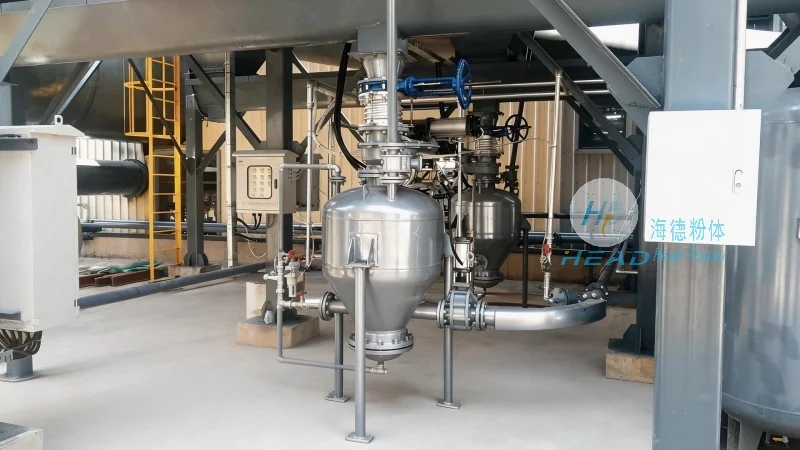
Overview of Cellulose Pneumatic Conveying Systems
Before delving into the classification and application analysis, it is important to understand the fundamental principles of cellulose pneumatic conveying. These systems operate by creating a pressure differential between the conveying line and the ambient environment. This differential causes the material to be entrained by the air stream and transported through the pipeline. The efficiency of the system depends on factors such as the material's physical properties, the conveying distance, and the required flow rate.
Classification of Cellulose Pneumatic Conveying Systems
Cellulose pneumatic conveying systems can be broadly classified into several categories based on the pressure used during operation. The primary classifications include:
- Positive Pressure Systems: In these systems, air is supplied under pressure to the material and the conveying line. The material is drawn into the line by the high-pressure air, which then transports it to the destination. This type of system is commonly used for short to medium conveying distances and is effective for handling light to medium-density materials.
- Negative Pressure (Vacuum) Systems: Conversely, negative pressure systems create a vacuum in the conveying line, drawing the material from the source into the line. The material is then carried by the air stream to the receiving point. These systems are often preferred for longer distances and for materials that are sensitive to pressure changes or for applications requiring a closed system to prevent dust emissions.
- Combined Pressure-Vacuum Systems: This hybrid approach combines elements of both positive and negative pressure systems. It typically uses a positive pressure section to transport the material from the source and a negative pressure section to handle the return air or to maintain a vacuum in the receiving area. This configuration is suitable for complex conveying routes with varying elevation changes and for applications requiring both material transport and air recovery.
Each classification has its own advantages and is selected based on specific operational requirements, material characteristics, and the layout of the industrial facility. The choice of system type directly impacts the system's efficiency, energy consumption, and overall cost-effectiveness.
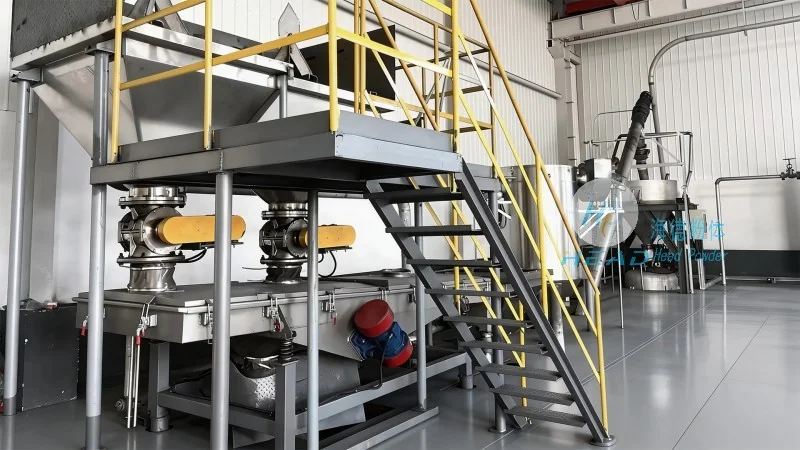
Application Analysis of Cellulose Pneumatic Conveying Systems
The application of cellulose pneumatic conveying systems spans multiple industries, with each application tailored to the unique demands of the process. Key applications include:
- Paper and Pulp Industry: In the paper and pulp sector, these systems are extensively used for transporting raw materials such as wood chips, pulp, and recycled paper fibers. The systems efficiently move these materials from storage areas to processing units, ensuring a continuous supply for paper production. The ability to handle fibrous materials without causing damage makes pneumatic conveying an ideal solution.
- Food and Beverage Industry: For cellulose-based food products like cellulose gum or dietary fiber powders, pneumatic conveying systems provide a hygienic and dust-free method of transport. These systems are designed to maintain product integrity and prevent contamination, which is crucial in food processing. The systems can handle fine powders and granules with precision, ensuring consistent quality in the final product.
- Pharmaceutical Industry: In pharmaceutical manufacturing, the transport of cellulose-based excipients or raw materials requires strict adherence to cleanliness and safety standards. Pneumatic conveying systems, particularly those with positive pressure designs, are preferred due to their ability to maintain a sterile environment and prevent cross-contamination. The systems are often integrated with dust collection and filtration systems to meet regulatory requirements.
- Chemical Industry: For chemical processes involving cellulose derivatives or other fine powders, pneumatic conveying systems offer a reliable method for material transport. These systems can handle a wide range of particle sizes and densities, making them suitable for various chemical applications. The ability to control the flow rate and pressure ensures safe and efficient operation, minimizing the risk of material degradation or equipment damage.
Across these industries, the effectiveness of cellulose pneumatic conveying systems is measured by factors such as throughput capacity, energy efficiency, and the ability to handle varying material properties. The application analysis highlights the versatility of these systems and their adaptability to different industrial needs.
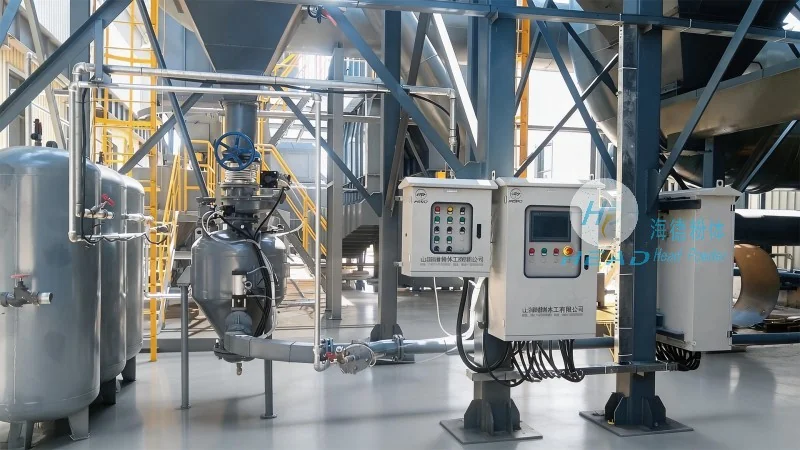
Key Considerations for Implementing Cellulose Pneumatic Conveying Systems
When implementing a cellulose pneumatic conveying system, several key considerations must be addressed to ensure optimal performance and longevity. These include:
- Material Properties: Understanding the physical characteristics of the cellulose material, such as particle size, density, moisture content, and flowability, is critical. These properties influence the selection of the system type, the design of the conveying line, and the choice of components like valves and filters.
- Conveying Distance and Layout: The distance between the source and the destination, as well as the layout of the industrial facility, determines the system's design. Longer distances may require higher pressure or vacuum levels, while complex layouts may necessitate combined pressure-vacuum systems.
- System Efficiency and Energy Consumption: Energy efficiency is a significant factor in the long-term operation of the system. Proper design, including the use of efficient blowers and optimized line dimensions, can reduce energy costs and lower operational expenses.
- Maintenance and Durability: The durability of components such as pipelines, valves, and filters is essential for minimizing downtime and maintenance costs. Materials resistant to corrosion and wear, such as stainless steel or specialized coatings, are often used to ensure the system's longevity.
By carefully evaluating these factors, industries can select and implement the most suitable cellulose pneumatic conveying system for their specific needs, maximizing operational efficiency and minimizing costs.
About Shandong HeadPowder Engineering Co., Ltd.
Shandong HeadPowder Engineering Co., Ltd., operating under the brand name headpowder, is a leading provider of advanced material handling solutions, including cellulose pneumatic conveying systems. With a focus on innovation and quality, the company specializes in designing, manufacturing, and supplying customized systems tailored to the unique requirements of various industries. HeadPowder's expertise in pneumatic conveying technology ensures that clients receive efficient, reliable, and cost-effective solutions for their material transport needs. Based in Shandong, China, the company leverages its local presence and industry knowledge to deliver superior products and services to global markets.




