Understanding fine polished sand pneumatic conveying is crucial for industries that rely on efficient material handling solutions. This article explores the fundamentals of pneumatic conveying systems, specifically focusing on the application of fine polished sand, and categorizes the various types of pneumatic conveying technologies used in industrial settings. By examining the classification and practical applications, readers can gain insights into how these systems enhance operational efficiency and material transport capabilities.
Pneumatic Conveying: An Overview
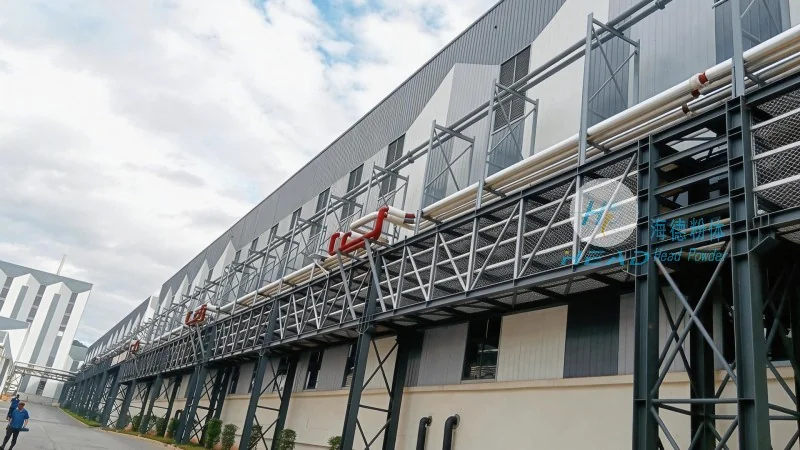
Pneumatic conveying is a method of transporting bulk materials through a pipeline using air or gas as the conveying medium. Unlike mechanical systems that rely on belts, screws, or buckets, pneumatic conveyors utilize pressure differentials to move particles. This technology is widely adopted in industries such as pharmaceuticals, food processing, and construction due to its ability to handle fine, dusty, or abrasive materials without contamination. The core principle involves creating a pressure difference between the inlet and outlet of the system, which propels the material along the pipeline.
Fine Polished Sand: Characteristics and Handling Challenges
Fine polished sand is a specialized type of sand with a smooth, reflective surface, often used in applications like glass manufacturing, foundry work, and surface finishing. Handling this material presents unique challenges due to its fine particle size, which can lead to dust generation and clogging in traditional conveying systems. Pneumatic conveying is particularly well-suited for fine polished sand because it can transport particles without direct contact, minimizing wear on equipment and reducing the risk of contamination. The smooth surface of the sand also contributes to lower friction within the pipeline, enhancing the efficiency of the conveying process.
Classification of Pneumatic Conveying Systems
Pneumatic conveying systems are broadly classified into two main categories: positive pressure (pressure) systems and negative pressure (vacuum) systems. Each type has distinct characteristics and is selected based on the material being conveyed, the distance, and the required flow rate.
Positive Pressure Systems
Positive pressure systems operate by forcing air or gas through the pipeline, creating a pressure higher than the ambient air. This method is ideal for conveying materials over long distances or through complex layouts. The system typically includes a blower or compressor at the inlet, which supplies the necessary pressure to move the material. Positive pressure systems are commonly used for abrasive or corrosive materials, as they can handle higher pressures without compromising the integrity of the pipeline.
Negative Pressure Systems
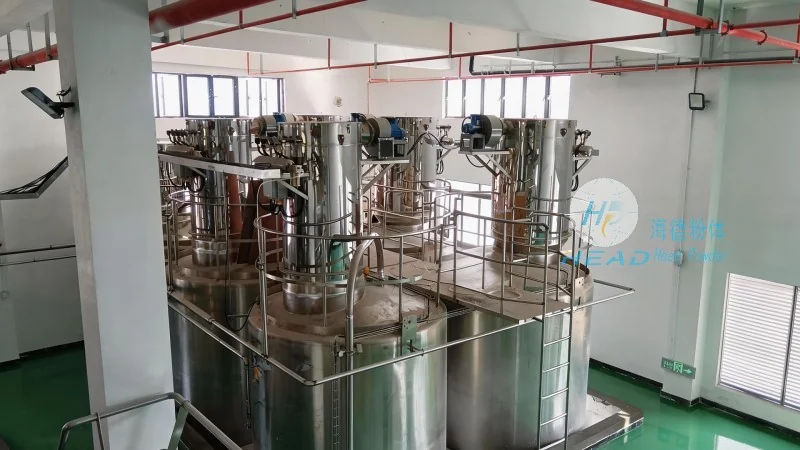
Negative pressure systems, also known as vacuum systems, create a lower pressure within the pipeline compared to the ambient air. The material is drawn into the system by the vacuum created at the inlet, and the air flows out through the discharge point. This approach is suitable for applications where dust control is critical, as the system can be enclosed to prevent particle release. Negative pressure systems are often used for lighter materials or in environments where noise and vibration need to be minimized.
Application of Fine Polished Sand Pneumatic Conveying
The application of fine polished sand pneumatic conveying varies across industries, with each sector leveraging the technology to address specific material handling needs. In the glass manufacturing industry, for example, fine polished sand is used as a raw material for glass production. Pneumatic conveying systems are employed to transport the sand from storage silos to the melting furnaces, ensuring a consistent and controlled flow of material. This method reduces the risk of contamination and improves the quality of the final glass product.
In the foundry industry, fine polished sand is used in the molding process to create molds for casting metal parts. Pneumatic conveying allows for the precise delivery of sand to the molding machines, ensuring uniform sand distribution and reducing the time required for mold preparation. This efficiency enhances the overall productivity of the foundry, as it minimizes downtime and improves the consistency of the casting process.
Another application is in the surface finishing industry, where fine polished sand is used for abrasive blasting. Pneumatic conveying systems transport the sand from storage to the blasting equipment, providing a steady supply of material for surface treatment. This method ensures that the abrasive particles are delivered at the correct pressure and flow rate, resulting in a smooth and uniform finish on the workpieces.
Benefits of Fine Polished Sand Pneumatic Conveying
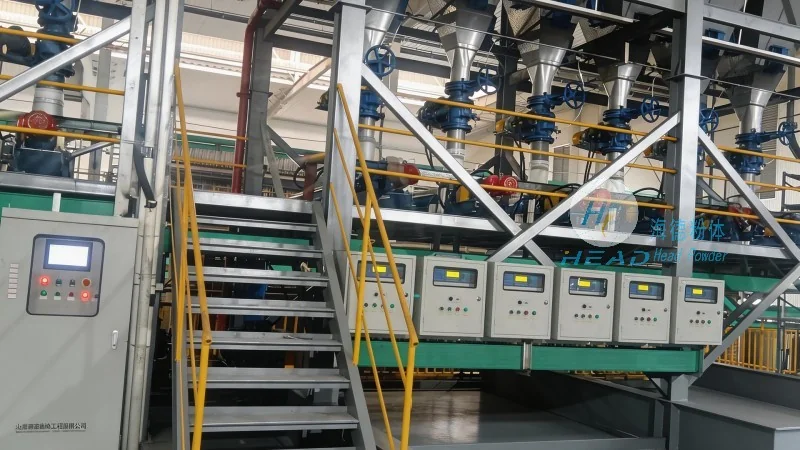
Implementing fine polished sand pneumatic conveying offers several advantages over traditional mechanical conveying methods. One of the key benefits is the reduction in material loss and contamination. Since the material is transported in an enclosed system, there is minimal exposure to the environment, which is critical for fine polished sand used in sensitive applications like pharmaceuticals or food processing. Additionally, pneumatic systems can handle abrasive materials without significant wear on the equipment, extending the lifespan of the conveying components.
Another advantage is the flexibility of the system. Pneumatic conveyors can be easily reconfigured to accommodate changes in material flow rates or pipeline layout, making them adaptable to evolving production needs. The ability to transport materials over long distances without the need for intermediate transfer points also simplifies the overall material handling process, reducing the risk of bottlenecks and improving operational efficiency.
Energy efficiency is also a significant benefit of pneumatic conveying systems. By optimizing the pressure and flow rate, companies can reduce energy consumption while maintaining the required material transport capacity. This not only lowers operational costs but also contributes to a more sustainable industrial operation.
Conclusion
Fine polished sand pneumatic conveying is a sophisticated and efficient method for handling fine, abrasive materials in various industrial applications. By understanding the classification of pneumatic conveying systems and their specific applications, industries can select the most appropriate technology to meet their material handling needs. The benefits of reduced contamination, improved efficiency, and flexibility make pneumatic conveying an attractive option for companies seeking to enhance their operational performance. As the demand for high-quality materials continues to grow, the role of fine polished sand pneumatic conveying in industrial processes will likely expand, driving further innovation in material handling technologies.




