Straw powder pneumatic conveying is a method of transporting fine powder materials, such as straw powder, through a pipeline using air as the conveying medium. This technology is widely used in various industries for efficient material handling. The process involves creating a flow of air within a closed system, which carries the powder particles from the source to the destination. Understanding the principles and applications of this technology is crucial for optimizing material transport in agricultural and industrial settings.
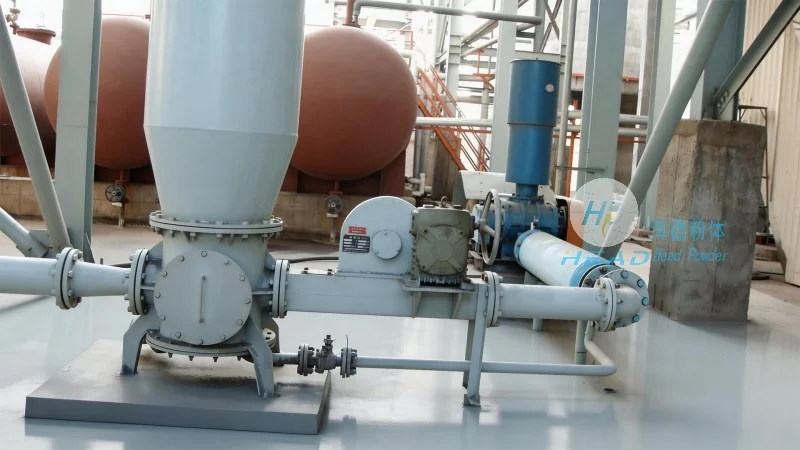
Introduction to Straw Powder Pneumatic Conveying
Straw powder, derived from agricultural residues like wheat or rice straw, is a fine particulate material that requires specialized handling due to its low bulk density and potential for dust generation. Pneumatic conveying offers a solution by utilizing air pressure to move these materials through pipelines. The technology is particularly effective for transporting straw powder from storage areas to processing facilities, such as pellet mills or biogas plants. This method not only improves operational efficiency but also reduces the risk of dust-related health hazards compared to traditional methods like bucket elevators or belt conveyors.
Classification of Pneumatic Conveying Systems
Pneumatic conveying systems are categorized based on the pressure used to transport materials. The two main types are pressure and vacuum systems. Pressure systems operate by blowing air into the pipeline under positive pressure, typically using a blower or compressor. These systems are suitable for long-distance or high-capacity transport of straw powder. Vacuum systems, on the other hand, use a vacuum pump to create a negative pressure, drawing the material into the pipeline. Vacuum systems are often preferred for short-distance or low-capacity applications, especially when the material needs to be collected from multiple sources.
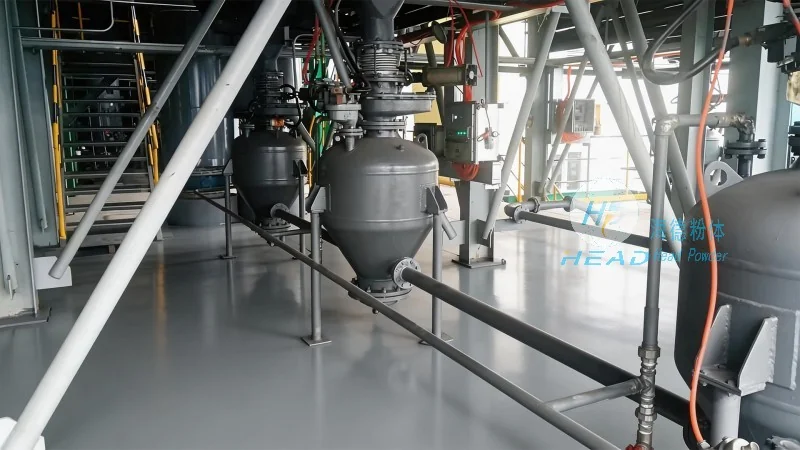
Applications of Pneumatic Conveying in Straw Processing
In the agricultural and renewable energy sectors, straw powder pneumatic conveying is applied in several key processes. One primary application is in the production of straw pellets, where the powder is conveyed from storage silos to the pelletizing machine. The consistent flow of powder ensures uniform pellet quality and reduces downtime. Another application is in biogas production, where straw powder is transported to anaerobic digesters for conversion into biogas. The efficiency of pneumatic conveying in these processes minimizes material loss and enhances the overall productivity of the biogas plant.
Key Factors in Designing Straw Powder Pneumatic Conveying Systems
The successful implementation of straw powder pneumatic conveying depends on several critical factors. Material properties, such as particle size, moisture content, and bulk density, significantly influence the system design. For example, fine straw powder with high moisture content may require additional drying or conditioning before conveying to prevent clogging. System layout and pipeline design are also essential, as the length and diameter of the pipeline affect the air velocity and pressure required. Properly sized elbows, bends, and filters are necessary to maintain system efficiency and prevent material deposition. Additionally, the choice of air-moving equipment, such as rotary lobe blowers or centrifugal fans, must be matched to the specific conveying requirements to ensure optimal performance.
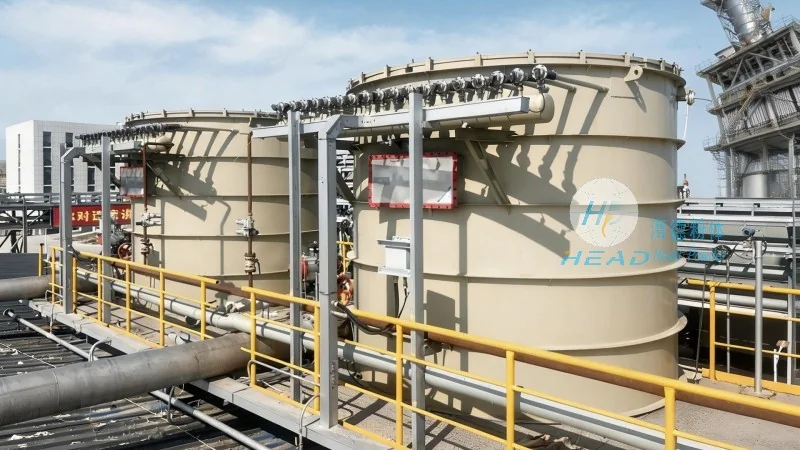
Advantages of Using Pneumatic Conveying for Straw Powder
Compared to traditional material handling methods, pneumatic conveying offers several advantages for straw powder transport. One major benefit is the ability to handle fine, dusty materials without the need for mechanical contact, which reduces wear and tear on equipment. This results in lower maintenance costs and longer equipment lifespan. Another advantage is the flexibility of the system, as it can be easily integrated with existing processing lines. Pneumatic conveying also provides better control over material flow, allowing for precise dosing and regulation of the powder feed. Furthermore, the enclosed pipeline system minimizes environmental impact by containing dust and preventing contamination of the surrounding area.
Case Study: Implementation by Shandong HeadPowder Engineering Co., Ltd.
Shandong HeadPowder Engineering Co., Ltd., a leading provider of material handling solutions, has successfully implemented straw powder pneumatic conveying systems for several clients. For instance, a client in the straw pellet industry in China required a system to transport 10 tons of straw powder per hour from a storage silo to a pelletizing plant. The company designed a pressure pneumatic conveying system with a rotary lobe blower and a series of stainless steel pipelines. The system was equipped with high-efficiency filters to capture dust and maintain air quality. The implementation resulted in a 20% increase in production efficiency and a 15% reduction in material loss compared to the previous bucket elevator system. This case study highlights the effectiveness of pneumatic conveying in improving operational performance and reducing costs for straw processing facilities.




