Understanding fish meal pneumatic conveying is crucial for industries dealing with fish meal processing and handling. Pneumatic conveying systems are essential for efficiently transporting fish meal, a nutrient-rich product derived from fish processing, from one location to another. This article explores the fundamentals of fish meal pneumatic conveying, the different types of pneumatic conveying systems, and their practical applications in various industrial settings.
Introduction to Fish Meal Pneumatic Conveying
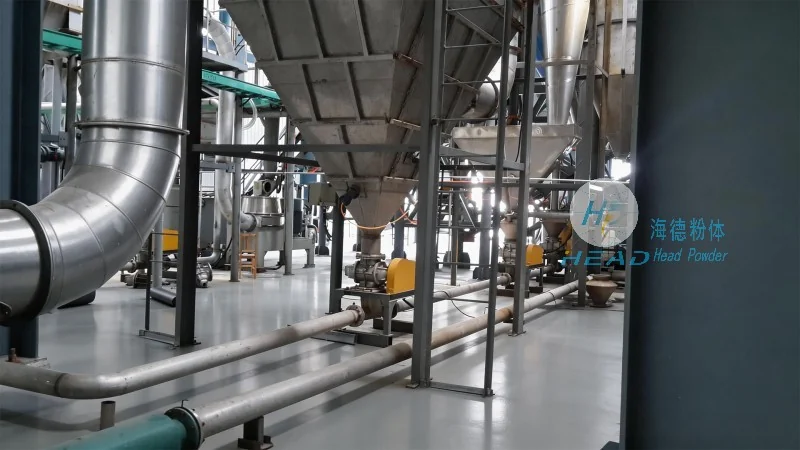
Fish meal is a high-protein feed ingredient widely used in animal nutrition, particularly in aquaculture and livestock farming. The process of converting fish into meal involves several steps, including cleaning, cooking, pressing, and drying. Once produced, fish meal needs to be transported efficiently to storage facilities, processing plants, or distribution centers. Pneumatic conveying offers a solution to this challenge by using air pressure to move the material through a pipeline system. This method is particularly advantageous for fish meal due to its fine particle size and the need for hygienic, dust-free handling.
Types of Pneumatic Conveying Systems
Pneumatic conveying systems can be broadly classified into two main categories: pressure and vacuum systems. Each type has distinct characteristics and is suitable for different operational requirements.
Pressure Pneumatic Conveying
Pressure systems use compressed air to push the material through the conveying line. The air is introduced at the discharge end of the system, creating a pressure differential that propels the fish meal forward. This method is ideal for long-distance or high-capacity conveying, as it can handle larger volumes of material with less energy consumption compared to vacuum systems. Pressure conveying is commonly used in industrial settings where the material needs to be transported over significant distances or through complex network layouts.
Vacuum Pneumatic Conveying
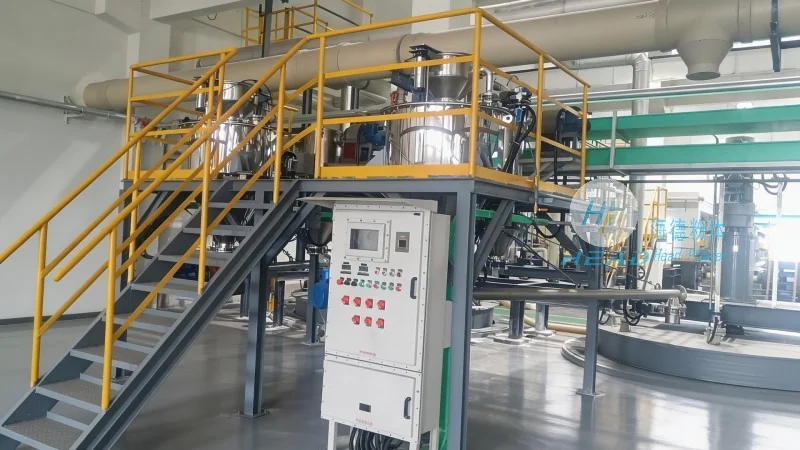
Vacuum systems, on the other hand, use a vacuum to draw the material into the conveying line. The air is extracted at the intake end, creating a negative pressure that pulls the fish meal into the pipeline. This approach is well-suited for short-distance conveying or when the material needs to be collected from multiple points. Vacuum systems are often preferred for applications where the material is sensitive to pressure changes or when the conveying line must be flexible and adaptable to changing operational needs.
Applications of Pneumatic Conveying in Fish Meal Handling
The versatility of pneumatic conveying makes it applicable in various stages of fish meal processing and distribution. Some key applications include:
From Production to Storage
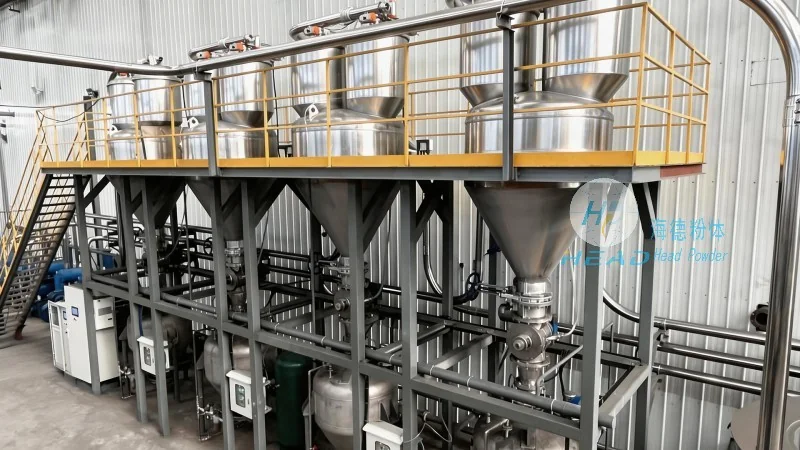
After fish meal is produced in the processing plant, pneumatic conveying is used to transport the material from the production line to storage silos or bins. This ensures a continuous flow of product without the need for manual handling, reducing labor costs and minimizing the risk of contamination. The hygienic design of pneumatic systems, with smooth surfaces and sealed pipelines, is particularly important in food processing industries to maintain product quality and safety standards.
Transportation to Processing Plants
Once stored, fish meal may need to be transported to other processing facilities or distribution centers. Pneumatic conveying systems can handle this transportation efficiently, especially when dealing with large volumes or long distances. The ability to convey material through underground or above-ground pipelines makes it a flexible solution for logistics in the fish meal industry.
Integration with Packaging Lines
In packaging operations, pneumatic conveying is used to move fish meal from storage to packaging machines. This integration ensures a smooth and continuous production line, reducing downtime and improving overall efficiency. The systems can be designed to handle different packaging formats, such as bags or bulk containers, by adjusting the conveying speed and pressure.
Advantages of Pneumatic Conveying for Fish Meal
Implementing pneumatic conveying systems for fish meal offers several benefits that enhance operational efficiency and product quality.
Hygienic and Dust-Free Handling
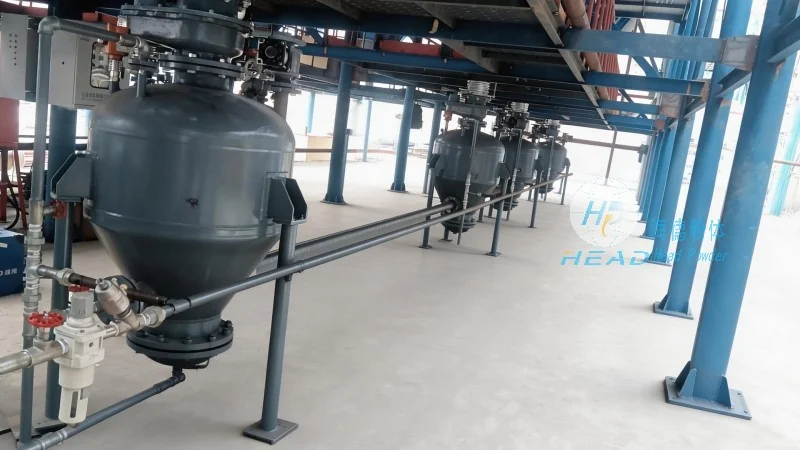
Unlike traditional belt or bucket elevators, pneumatic systems operate in a closed pipeline, preventing dust and contamination. This is critical for fish meal, which is a food product and must meet stringent hygiene standards. The sealed environment also reduces the risk of cross-contamination with other materials, ensuring product purity.
Energy Efficiency
Modern pneumatic conveying systems are designed to be energy-efficient, using less power per ton of material conveyed compared to other methods. This reduces operational costs and has a positive impact on the environmental footprint of the fish meal processing plant.
Reduced Labor and Maintenance
Automated pneumatic conveying systems require less manual labor for material handling, freeing up personnel for other tasks. Additionally, the sealed and enclosed design of the system reduces the need for frequent maintenance, as there are fewer moving parts exposed to the material. This leads to lower maintenance costs and increased system reliability.
Conclusion
Fish meal pneumatic conveying is a vital technology in the fish meal industry, enabling efficient, hygienic, and cost-effective transportation of this valuable product. By understanding the different types of pneumatic conveying systems and their applications, industry professionals can make informed decisions to optimize their operations. As demand for fish meal continues to grow, the adoption of advanced pneumatic conveying solutions will remain essential for meeting production and distribution needs. The expertise of companies like Shandong HeadPowder Engineering Co., Ltd. in designing and implementing these systems ensures that fish meal processing facilities can operate at their highest potential, delivering high-quality products to their customers.




