Iron sand, a vital raw material in numerous industrial sectors, demands efficient and dependable conveying methods to sustain smooth production workflows. The selection of a conveying approach hinges on variables such as material characteristics, production scale, and operational environment. This article examines several effective iron sand transportation methods, emphasizing the expertise of Shandong HeadPowder Engineering Co., Ltd. (HeadPowder) in delivering customized solutions for diverse industrial requirements.
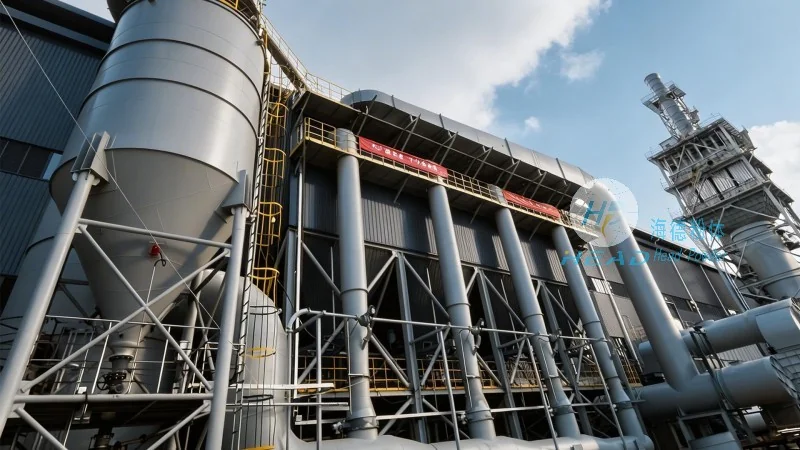
1. Mechanical Conveying Systems
Belt conveyors stand as a fundamental method for iron sand transportation, offering a reliable and efficient means to move substantial quantities of material over extended distances. These systems comprise a continuous belt that travels around two or more pulleys, with iron sand placed on the belt and carried to the destination. The design of the belt conveyor is critical for optimal performance, as factors like belt material, width, and speed directly influence conveying capacity and material handling efficiency. For instance, HeadPowder’s engineers often recommend using heavy-duty rubber belts with reinforced layers to withstand the abrasive nature of iron sand, preventing premature wear and extending system lifespan. The speed of the conveyor can be adjusted based on production rate and required distance, allowing precise control over material flow. In industrial settings, belt conveyors are commonly employed in iron sand processing plants to transport raw material from storage silos to processing equipment, ensuring continuous and uninterrupted supply. Integration of sensors and control systems further enhances efficiency, enabling real-time monitoring of material flow and automatic adjustments to maintain optimal performance.
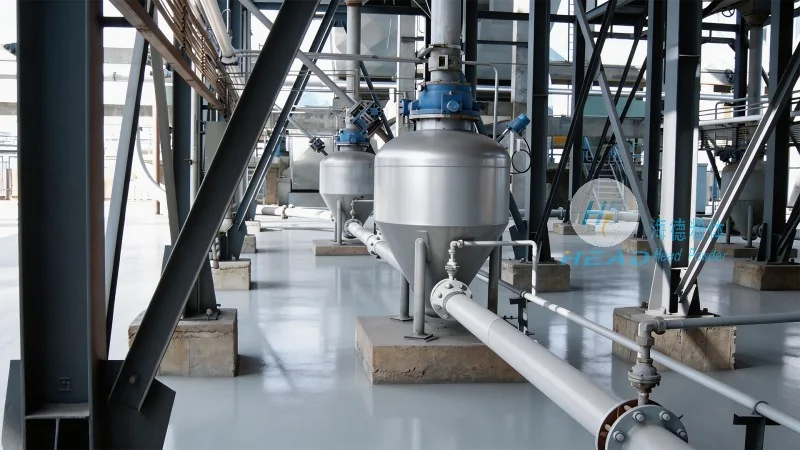
2. Pneumatic Conveying Systems
Pneumatic conveying, or air conveying, represents another effective technique for iron sand transportation. This method utilizes compressed air to move material through a pipeline system. Two primary types exist: dilute-phase and dense-phase. Dilute-phase systems suit low to medium material loads, where iron sand is mixed with air and transported at high speeds. Dense-phase systems are more suitable for high-density iron sand, employing lower air velocities and higher material concentrations to minimize particle degradation. HeadPowder specializes in designing pneumatic conveying systems that optimize air pressure and flow rates, ensuring efficient and cost-effective iron sand transport while preserving material quality. The company’s expertise in material flow dynamics allows selection of the most appropriate pneumatic system based on iron sand characteristics, such as particle size and density. This approach is frequently used in mining and processing plants where iron sand is extracted from ore and transported to processing facilities.
3. Hydraulic Conveying Systems
Hydraulic conveying systems employ water or other liquids to transport iron sand, making them ideal for applications where material is prone to dust or requires a closed system. This method proves particularly effective for handling fine iron sand particles that may be challenging to convey via mechanical or pneumatic means. The hydraulic system typically involves a pump circulating liquid, carrying iron sand through pipes. Velocity and pressure of the liquid are carefully controlled to prevent clogging and ensure consistent flow. HeadPowder’s engineers possess extensive experience in designing hydraulic conveying solutions for industrial clients, optimizing the system for specific iron sand properties like particle size and density. This approach is often utilized in mining and processing plants where iron sand is extracted from ore and needs to be transported to processing facilities.
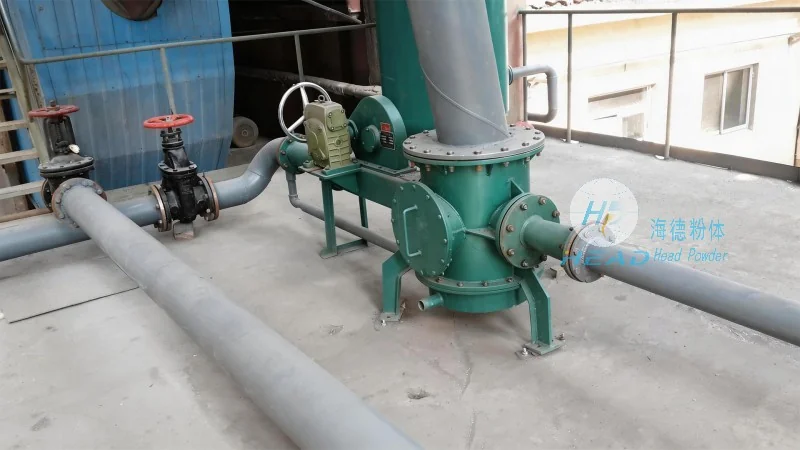
4. Gravity Conveying Systems
Gravity conveying systems rely on the natural force of gravity to move iron sand from higher to lower elevations. This method is simple and cost-effective, suitable for short-distance transportation where material can flow down a sloped chute or pipe. The design of the gravity system involves careful consideration of slope angle and material angle of repose to ensure smooth flow without blockages. HeadPowder can assist in designing and installing gravity conveying systems, optimizing slope and dimensions for specific iron sand characteristics. While gravity systems are less common for large-scale industrial applications, they serve as an excellent choice for small-scale operations or for transporting iron sand over short distances within a facility.
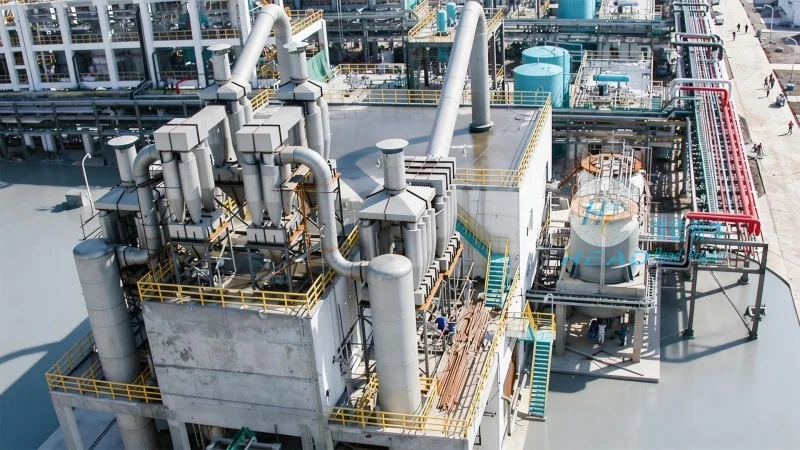
5. Combination Conveying Systems
In many industrial settings, a single conveying method may not suffice to meet all iron sand transportation requirements. HeadPowder offers solutions that combine different systems to create an integrated conveying network. For example, a facility might use a belt conveyor to transport iron sand from a storage silo to a processing plant, then switch to a pneumatic system for internal transport within the plant. This combination allows flexibility and efficiency, as each system is optimized for its specific process stage. The company’s expertise in system integration ensures seamless transition between different conveying methods, minimizing downtime and maximizing productivity. By combining mechanical, pneumatic, and hydraulic systems, HeadPowder provides customized solutions addressing unique challenges of iron sand conveying in various industrial applications.
Shandong HeadPowder Engineering Co., Ltd. (HeadPowder) is a leading provider of iron sand conveying solutions, with a strong presence in China. The company’s headquarters is located in Shandong, China, and it has a team of experienced engineers and technicians dedicated to developing and implementing effective conveying systems. HeadPowder’s commitment to quality and customer satisfaction has made it a trusted partner for industries relying on iron sand, including mining, metallurgy, and manufacturing. By leveraging advanced technology and a deep understanding of material handling principles, HeadPowder ensures clients receive tailored solutions that meet specific needs and enhance operational efficiency.




