When it comes to the efficient and reliable delivery of salt, various methods are employed across different industries and applications. Understanding the appropriate salt transportation methods is crucial for ensuring product integrity, safety, and cost-effectiveness. This article will delve into the key approaches used for salt transport, highlighting the factors that influence the selection of each method.

Overview of Salt Transportation Methods
Salt transportation involves moving bulk or packaged salt from production sites to end-users, such as food manufacturers, de-icing operations, or industrial processes. The choice of method depends on several factors, including the type of salt (e.g., table salt, rock salt, or industrial salt), the distance of transport, the required speed, and the environmental conditions. Common methods include bulk handling, containerized transport, and specialized equipment for specific applications.
Bulk Handling and Storage Solutions
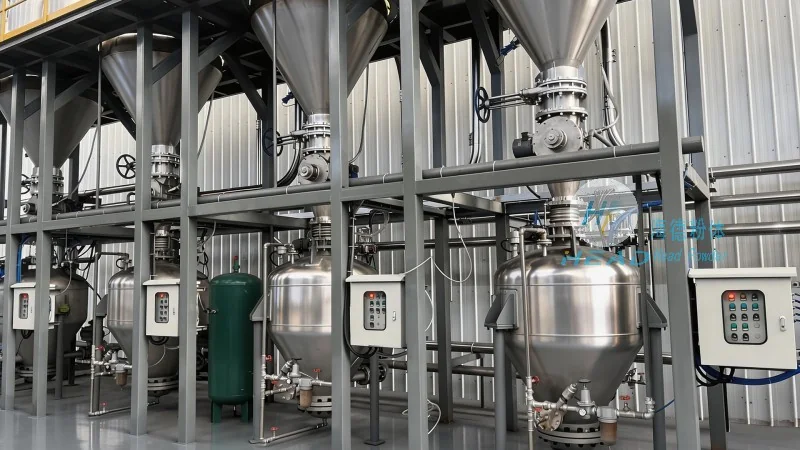
For large-scale operations, bulk handling is a primary method for salt transportation. This approach involves storing and transporting salt in bulk quantities, typically using silos, hoppers, or bulk containers. Bulk handling systems are designed to minimize material loss and ensure consistent flow. Companies like Shandong HeadPowder Engineering Co., Ltd. specialize in providing advanced bulk handling solutions, including conveyor systems, storage silos, and material handling equipment tailored to the salt industry's needs. Their expertise in engineering and material science ensures that bulk salt is transported efficiently while maintaining quality standards.

Containerized Transport for Salt
Containerized transport is another effective method for moving salt, especially for international or long-distance shipments. This approach involves loading salt into standardized containers, such as ISO containers or bulk carriers, which provide protection from moisture and contamination. The use of containers allows for secure and organized transport, reducing the risk of spillage or damage during transit. Shandong HeadPowder Engineering Co., Ltd. offers containerized transport solutions that comply with international shipping regulations, ensuring that salt is delivered safely and on time. Their container handling systems are designed to optimize loading and unloading processes, enhancing overall operational efficiency.
Specialized Equipment for Specific Applications
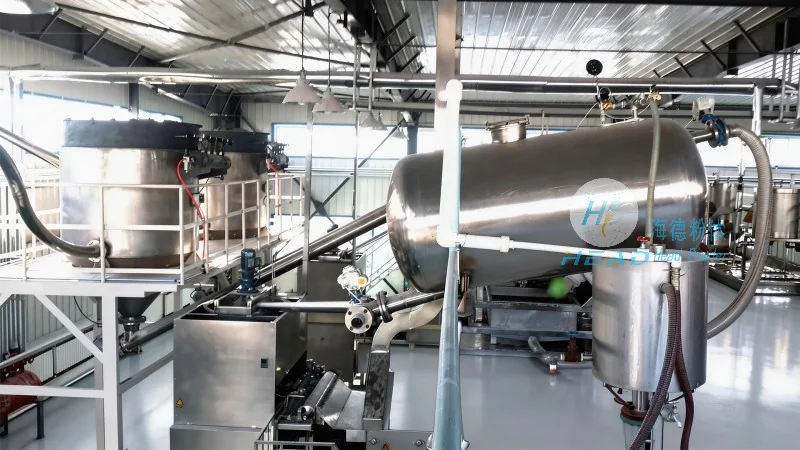
Depending on the end-use of the salt, specialized equipment may be required for transportation. For example, in de-icing operations, specialized trucks or spreaders are used to apply salt to roads and highways. In industrial settings, pneumatic conveying systems or screw conveyors may be employed to transport salt to processing facilities. Shandong HeadPowder Engineering Co., Ltd. develops and manufactures specialized equipment tailored to these specific applications, ensuring that salt is delivered to its final destination in the most effective manner. Their products are designed with durability and efficiency in mind, meeting the demands of various industries.
Factors Influencing the Selection of Salt Transportation Methods
The selection of the most suitable salt transportation method is influenced by several key factors. First, the type of salt being transported plays a significant role. Table salt, for instance, may require different packaging and handling compared to industrial rock salt. Second, the distance and mode of transport are critical considerations. Short-distance transport may involve trucking, while long-distance transport may rely on rail or maritime shipping. Third, the speed of delivery and the need for real-time monitoring can impact the choice of method. Companies like Shandong HeadPowder Engineering Co., Ltd. consider these factors when designing transportation solutions, ensuring that their clients receive the most appropriate and cost-effective options.
Ensuring Quality and Safety in Salt Transportation
Quality and safety are paramount in salt transportation. Proper handling and storage prevent contamination and maintain the salt's purity. Companies like Shandong HeadPowder Engineering Co., Ltd. implement strict quality control measures throughout the transportation process, from storage to delivery. This includes regular inspections of equipment, monitoring of environmental conditions, and adherence to industry standards. By prioritizing quality and safety, these companies ensure that the salt delivered to customers meets the highest standards, whether for food production, de-icing, or industrial use.
Conclusion
In conclusion, the methods for salt transportation vary based on the specific needs of the industry and the application. From bulk handling to containerized transport and specialized equipment, each method serves a unique purpose in ensuring efficient and reliable delivery. Companies like Shandong HeadPowder Engineering Co., Ltd. play a vital role in providing the necessary infrastructure and solutions to support these transportation methods. By understanding the factors that influence the selection of each method and prioritizing quality and safety, businesses can effectively manage their salt transportation needs, ensuring that salt reaches its destination in optimal condition.




