Pneumatic conveying systems have emerged as a critical technology in the pharmaceutical industry, particularly for the efficient and safe transport of granular materials. These systems utilize air or other gases to move powders and granules through a pipeline network, offering advantages such as contamination control, reduced product degradation, and enhanced process flexibility. For pharmaceutical manufacturers, selecting the right type of pneumatic conveying system is essential to ensure compliance with regulatory standards while optimizing production efficiency.
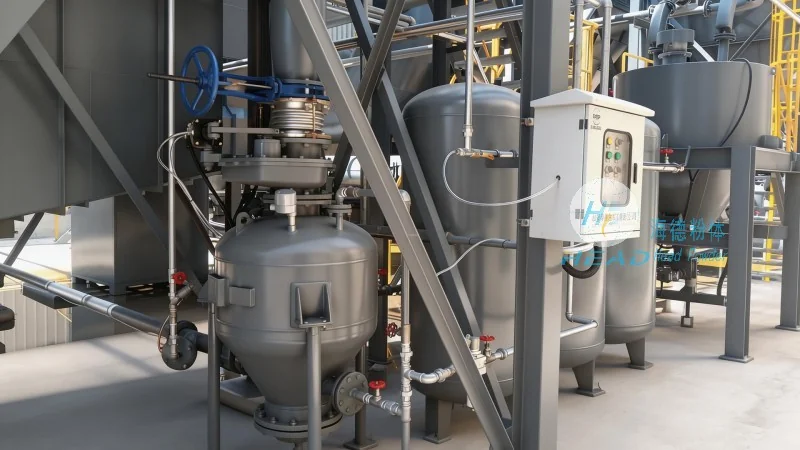
Key Types of Pneumatic Conveying Systems Used in Pharmaceutical Granule Delivery
There are several distinct types of pneumatic conveying systems commonly employed in pharmaceutical granule handling. The choice of system depends on factors like material properties, process requirements, and operational constraints. The primary categories include:
1. Positive Pressure Conveying: This system operates by blowing air or gas into the material stream, creating a positive pressure that propels the particles through the pipeline. It is suitable for low to moderate material flow rates and is often used for fine powders and granules that are prone to caking or agglomeration. Positive pressure systems are known for their gentle handling, which minimizes product degradation and maintains particle integrity.
2. Negative Pressure (Vacuum) Conveying: In contrast, negative pressure systems draw material into the pipeline using a vacuum created by a fan or ejector. This approach is ideal for applications requiring material to be drawn from multiple sources or for handling materials that are sensitive to pressure changes. Negative pressure conveying is commonly used in pharmaceutical settings where dust control and product containment are paramount.
3. Combination (Two-Phase) Conveying: This hybrid system combines elements of both positive and negative pressure operations. It typically involves a primary positive pressure section to transport material from the source and a secondary negative pressure section to deliver it to the destination. Two-phase systems offer flexibility in handling varying material loads and can be optimized for different process stages, such as blending, mixing, or packaging.
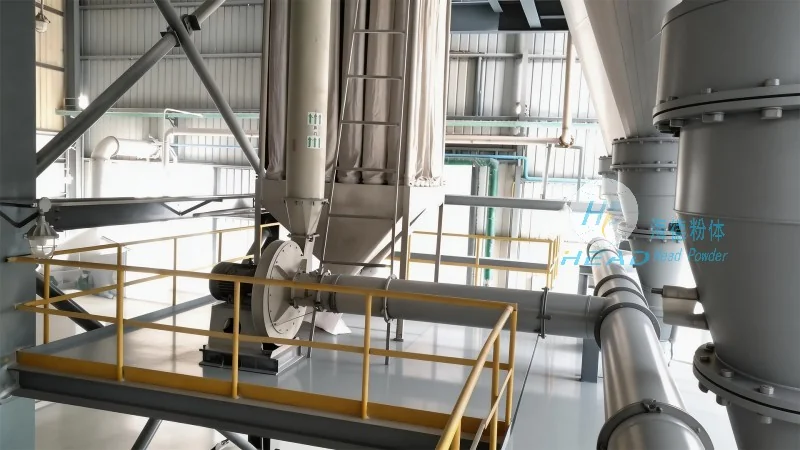
Practical Applications of Pneumatic Conveying Systems in Pharmaceutical Manufacturing
Pneumatic conveying systems find widespread application across various stages of pharmaceutical manufacturing. From raw material handling to final product packaging, these systems play a vital role in ensuring smooth and efficient operations. Some key practical applications include:
1. Raw Material Handling and Transfer: Pharmaceutical manufacturers often need to transport bulk raw materials, such as active pharmaceutical ingredients (APIs), excipients, and other granules, from storage silos or bulk containers to processing equipment. Pneumatic conveying systems provide a clean, dust-free method for moving these materials, reducing the risk of cross-contamination and ensuring compliance with Good Manufacturing Practices (GMP).
2. In-Process Material Transfer: During the manufacturing process, granules may need to be transferred between different equipment, such as mixers, blenders, and granulators. Pneumatic conveying enables seamless material transfer without the need for manual handling, which not only improves efficiency but also enhances worker safety by minimizing exposure to powders.
3. Product Packaging and Filling: At the final stage of production, pneumatic conveying systems are used to deliver finished granules to packaging lines. This ensures a consistent and controlled flow of product into containers, reducing the risk of overfilling or underfilling and maintaining product quality and consistency.
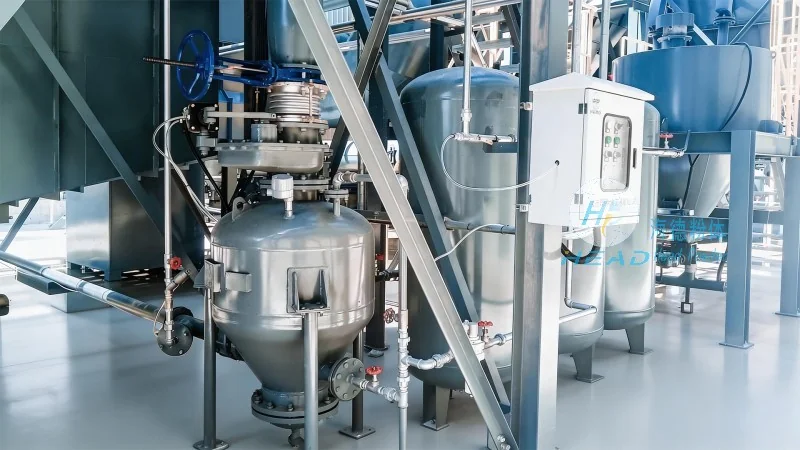
Advantages of Pneumatic Conveying Systems in Pharmaceutical Granule Delivery
Implementing pneumatic conveying systems in pharmaceutical granule delivery offers numerous benefits that contribute to overall operational excellence. These advantages include:
1. Enhanced Contamination Control: Pneumatic systems are enclosed and sealed, preventing the release of dust or particles into the environment. This is crucial in pharmaceutical manufacturing, where even trace contaminants can affect product efficacy and regulatory compliance.
2. Improved Product Quality and Integrity: The gentle handling of materials in pneumatic systems minimizes particle attrition, agglomeration, and degradation. This ensures that the final product maintains its desired physical and chemical properties, meeting stringent quality standards.
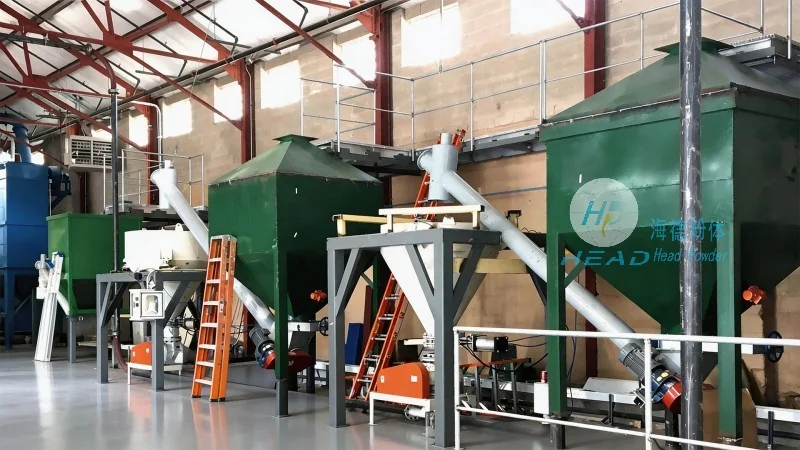
3. Increased Process Flexibility: Pneumatic conveying systems can be easily integrated with existing production lines and adapted to handle different material types or flow rates. This flexibility allows manufacturers to scale operations or adjust production based on changing market demands.
4. Reduced Labor and Maintenance Costs: Automated pneumatic systems reduce the need for manual labor in material handling, lowering labor costs and minimizing the risk of human error. Additionally, the enclosed design of these systems reduces maintenance requirements compared to traditional bulk handling methods.
Case Study: Application by Shandong HeadPowder Engineering Co., Ltd.
Shandong HeadPowder Engineering Co., Ltd., a leading provider of pneumatic conveying solutions, has successfully implemented customized systems for pharmaceutical manufacturers. The company specializes in designing and manufacturing tailored pneumatic conveying equipment that meets the specific needs of the pharmaceutical industry. For instance, a client in China required a positive pressure system to transport fine granules of an active ingredient from a storage silo to a blending machine. HeadPowder engineered a system with high-efficiency filters and a closed-loop design to ensure GMP compliance. The implementation resulted in improved material flow rates, reduced downtime, and enhanced product quality, demonstrating the effectiveness of their solutions in real-world pharmaceutical applications.
Conclusion and Future Outlook
Pneumatic conveying systems remain a cornerstone technology in pharmaceutical granule delivery, offering a reliable and efficient means of material transport while adhering to stringent regulatory requirements. As the pharmaceutical industry continues to evolve, the demand for advanced conveying solutions will grow, driven by the need for higher productivity, better quality control, and enhanced safety. Companies like Shandong HeadPowder Engineering Co., Ltd. are at the forefront of developing innovative solutions that address these challenges, ensuring that pharmaceutical manufacturers can maintain their competitive edge in a rapidly changing market.




