Efficient and reliable transport of masterbatch particles is a critical aspect of modern industrial operations, particularly in the plastics and polymer processing sectors. Pneumatic conveying systems have emerged as a preferred solution for handling these materials due to their ability to manage dust, minimize contamination, and enhance overall process efficiency. This article explores the various types of pneumatic conveying systems commonly used in masterbatch particle transport and their practical applications, providing insights into how these technologies contribute to operational excellence.
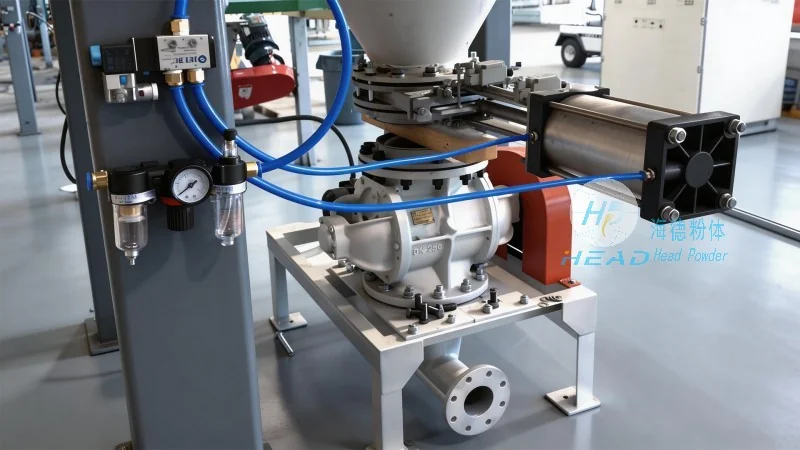
Overview of Pneumatic Conveying Systems for Masterbatch Transport
Pneumatic conveying systems utilize air or gas to transport bulk materials, such as masterbatch particles, through a pipeline network. These systems are designed to handle a wide range of particle sizes, densities, and flow rates, making them versatile for diverse industrial applications. The primary advantage of pneumatic conveying lies in its ability to transport materials in a closed system, reducing exposure to environmental factors and ensuring product integrity. Additionally, these systems can be integrated with other processing equipment, enabling seamless material flow from storage to processing units.
Types of Pneumatic Conveying Systems
There are several types of pneumatic conveying systems, each tailored to specific operational requirements and material characteristics. The choice of system depends on factors such as the distance of transport, the volume of material, and the need for dust control. The main types include:
1. Positive Pressure Pneumatic Conveying
Positive pressure systems operate by blowing air into the conveying line, creating a pressure higher than the ambient air pressure. This method is suitable for short to medium-distance transport and is commonly used for materials that are non-abrasive and have low dust generation. The system typically includes a blower, a hopper for material loading, and a discharge point. Positive pressure systems are known for their simplicity and low maintenance requirements, making them a cost-effective solution for many industrial applications.
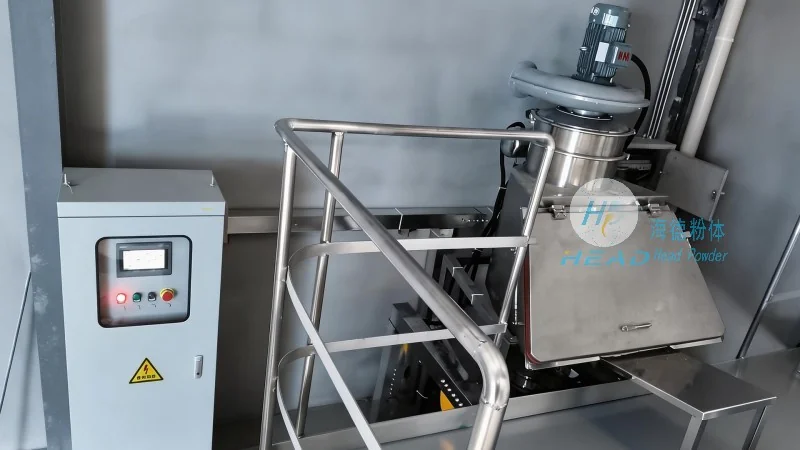
2. Negative Pressure (Vacuum) Pneumatic Conveying
Negative pressure systems, also known as vacuum conveying, operate by creating a vacuum in the conveying line, drawing material from the source into the system. This approach is ideal for long-distance transport and for materials that are sensitive to pressure or require gentle handling. The system consists of a vacuum pump, a hopper, and a filter to capture any particles that may escape. Negative pressure systems are particularly effective for handling fine powders and granules, as they can maintain a consistent flow rate and minimize material degradation.
3. Hybrid (Positive and Negative Pressure) Pneumatic Conveying
Hybrid systems combine the features of both positive and negative pressure systems, offering flexibility in transport distances and material handling. These systems are often used for complex transport routes that involve multiple segments with varying pressure requirements. By integrating both positive and negative pressure components, hybrid systems can optimize energy consumption and material flow, making them suitable for large-scale industrial operations.
Practical Applications of Pneumatic Conveying in Masterbatch Transport
The practical applications of pneumatic conveying systems in masterbatch transport are diverse and impact various stages of the manufacturing process. From raw material handling to final product integration, these systems enhance efficiency and product quality. Some key applications include:
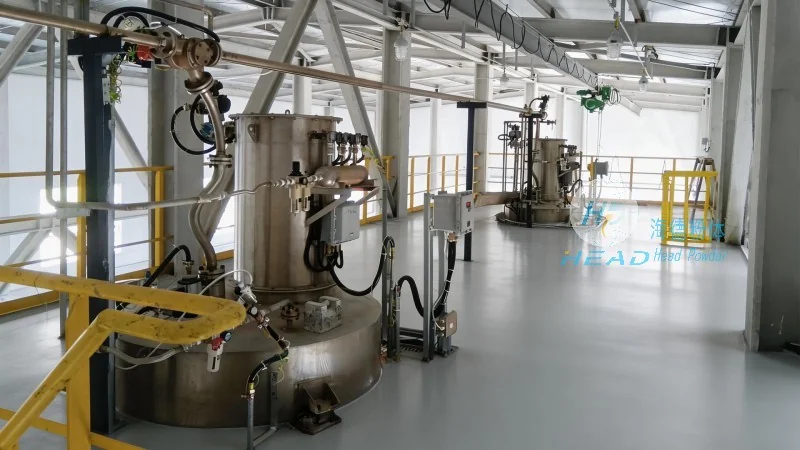
1. Material Transfer from Storage to Processing
One of the most common applications of pneumatic conveying is transferring masterbatch particles from storage silos or hoppers to processing equipment, such as extruders or mixers. This process ensures a continuous and controlled flow of material, reducing downtime and improving production throughput. The closed system design of pneumatic conveying minimizes the risk of material contamination, which is crucial for maintaining product quality in colorant applications.
2. Inline Dosing and Mixing
In many industrial processes, masterbatch particles need to be added to the main polymer melt at specific ratios and during specific stages of processing. Pneumatic conveying systems can be integrated with dosing equipment to achieve precise and consistent addition of colorants. This ensures uniform color distribution in the final product, which is essential for meeting quality standards in applications such as plastic packaging, automotive parts, and consumer goods.
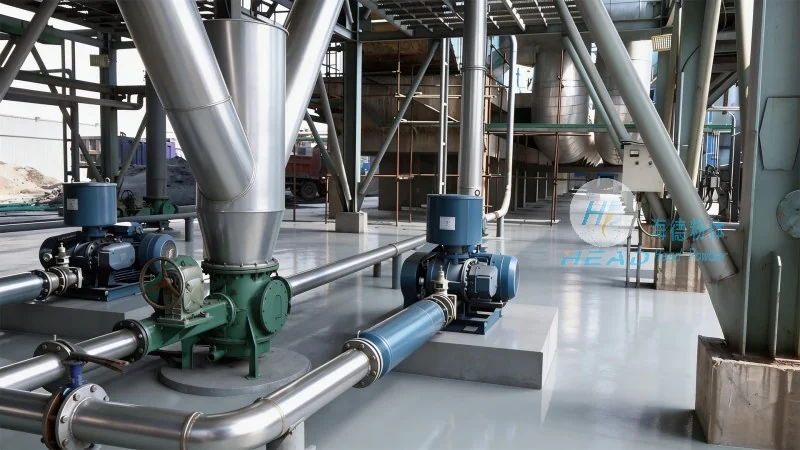
3. Dust Control and Environmental Management
Masterbatch particles can generate significant dust during handling and transport, which poses health and safety risks and can affect product quality. Pneumatic conveying systems address this issue by containing the material within a closed pipeline, reducing dust emissions and improving workplace safety. Additionally, the filtration systems used in these systems can capture any particles that may escape, ensuring compliance with environmental regulations and maintaining a clean working environment.
4. Bulk Material Handling in Production Lines
For large-scale production lines, pneumatic conveying systems can handle high volumes of masterbatch particles, supporting continuous production cycles. These systems are designed to operate 24/7, with minimal maintenance, ensuring uninterrupted material flow. The ability to transport materials over long distances without the need for manual handling makes pneumatic conveying an efficient solution for complex manufacturing setups.
Company Profile: Shandong HeadPowder Engineering Co., Ltd.
Shandong HeadPowder Engineering Co., Ltd., operating under the brand name headpowder, specializes in the design, manufacturing, and implementation of advanced pneumatic conveying systems for masterbatch particle transport. With a focus on innovation and customer-centric solutions, the company has established itself as a leading provider in the industry. HeadPowder's systems are engineered to meet the specific needs of clients, ensuring optimal performance and reliability in diverse industrial environments. The company's headquarters is located in Shandong, China, where it leverages local expertise and resources to deliver high-quality products and services to global markets.




