Types and Practical Applications of Pneumatic Conveying Systems for Potassium Sulfate Transport
Release time:2026-09-14 10:46:43
name of the company:Shandong Headpowder Engineering Co., Ltd.
telephone:156-6277-7102
contacts:Zhang manager
HeadPowder, a leading engineering company based in Shandong, China, specializes in the design and implementation of advanced material handling solutions. This article explores the various types of pneumatic conveying systems used in the transportation of potassium sulfate, a critical fertilizer and industrial chemical, and their practical applications in real-world scenarios.
Introduction to Pneumatic Conveying Systems
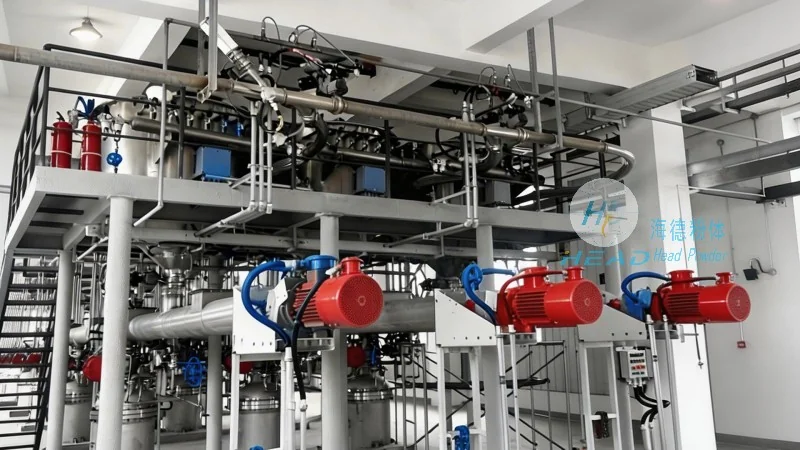
Pneumatic conveying systems are widely utilized in industries for the efficient and safe transport of bulk materials, including powders and granules. These systems operate by using air or other gases to move material through a pipeline. In the context of potassium sulfate transport, the choice of system type depends on factors such as material properties, distance, and operational requirements.
Types of Pneumatic Conveying Systems
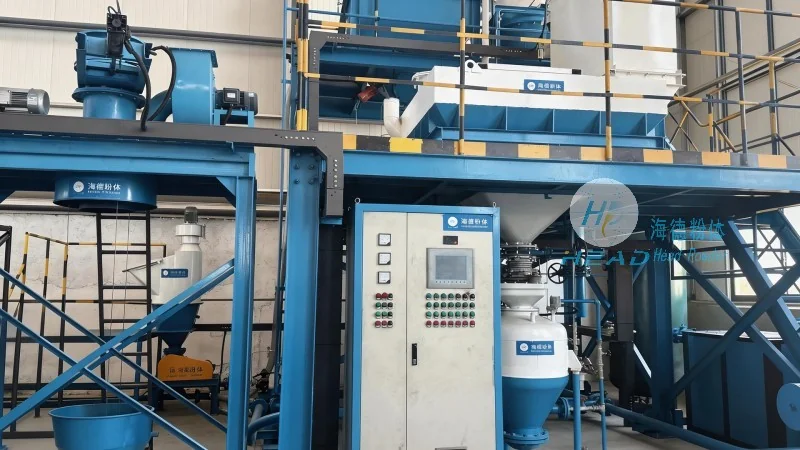
There are several categories of pneumatic conveying systems, each with distinct characteristics and applications. The primary types include:
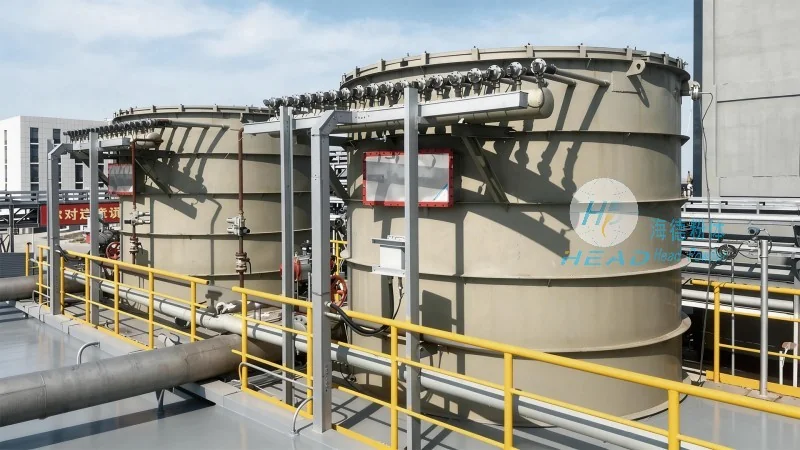
- Positive Pressure Systems: These systems use a blower or compressor to generate air pressure that pushes material through the pipeline. They are suitable for short to medium distances and can handle a wide range of materials, including those with high moisture content or abrasive properties.
- Negative Pressure (Vacuum) Systems: In these systems, a vacuum is created at the receiving end to draw material into the pipeline. This method is ideal for long-distance transport and is commonly used in applications where material needs to be collected from multiple sources.
- Combined Pressure-Vacuum Systems: This hybrid approach combines elements of both positive and negative pressure systems. It offers flexibility in handling varying material flow rates and can be adapted for both short and long-distance transport needs.
Practical Applications in Potassium Sulfate Transport
HeadPowder has extensive experience in implementing pneumatic conveying systems for potassium sulfate transport across various industries. The following are key practical applications:
- From Storage Silos to Processing Plants: Pneumatic conveying systems efficiently transfer potassium sulfate from storage silos to processing facilities, ensuring a continuous and controlled flow of material. This reduces downtime and improves overall operational efficiency.
- Between Production Lines: In manufacturing processes, these systems facilitate the movement of potassium sulfate between different production stages, such as from mixing to packaging. The systems are designed to maintain material integrity and prevent contamination.
- Long-Distance Transport to Distribution Centers: For companies operating across large geographic areas, negative pressure systems are particularly effective in transporting potassium sulfate from production sites to distribution centers. This method minimizes material degradation and ensures consistent product quality.
Key Considerations for System Selection
When selecting a pneumatic conveying system for potassium sulfate transport, several factors must be considered to ensure optimal performance and reliability:
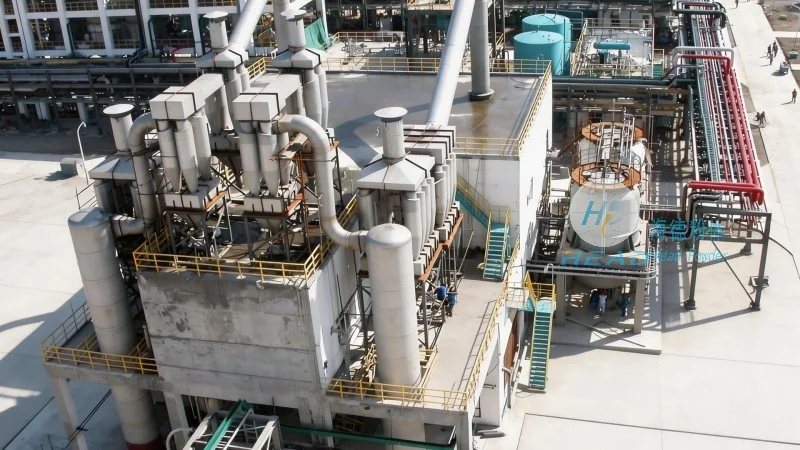
- Material Properties: The physical characteristics of potassium sulfate, such as particle size, density, and flowability, influence the choice of system. For example, fine powders may require more gentle handling to avoid clogging.
- Transport Distance and Layout: The distance between the source and destination, as well as the layout of the facility, determine whether a positive, negative, or combined system is most suitable.
- Operating Costs: Energy consumption and maintenance requirements are critical factors. Efficient systems, such as those designed by HeadPowder, minimize operational costs while maximizing throughput.
Conclusion
HeadPowder Engineering Co., Ltd., with its headquarters in Shandong, China, provides comprehensive solutions for pneumatic conveying systems tailored to the specific needs of potassium sulfate transport. By understanding the different system types and their practical applications, industries can enhance their material handling processes, improve efficiency, and ensure product quality. The company's expertise in engineering and implementation ensures that clients receive reliable and effective systems that meet their operational requirements.




