When it comes to efficiently transporting dry manure, pneumatic conveying systems offer a reliable and effective solution. These systems utilize air pressure to move materials, making them ideal for applications where traditional methods like trucks or conveyors may be less suitable. In this article, we will explore the different types of pneumatic conveying systems commonly used in the dry manure transport industry and discuss their practical applications.
Types of Pneumatic Conveying Systems
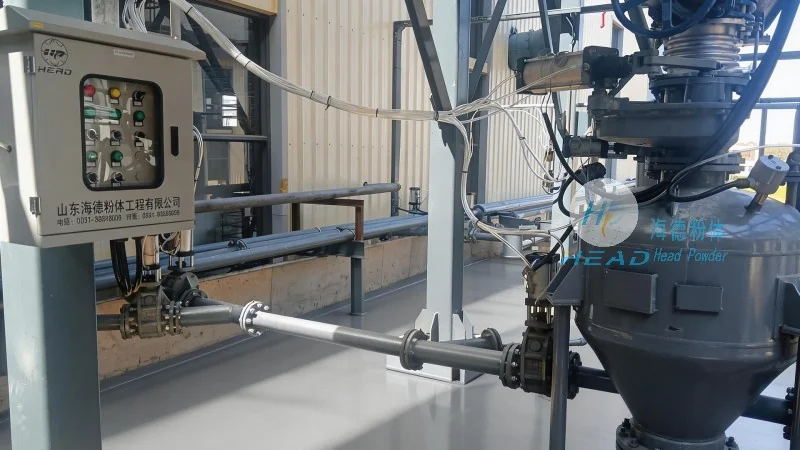
There are several types of pneumatic conveying systems, each with its own advantages and suitable applications. The two main categories are positive pressure and negative pressure systems.
Positive pressure systems, as the name suggests, use a blower or fan to force air and material through the system. This type of system is often used for long-distance or high-capacity transport. It is particularly effective for transporting dry manure over distances of several hundred meters to a few kilometers. The positive pressure system ensures that the material is continuously moved forward, preventing clogging and ensuring consistent flow.
Negative pressure systems, on the other hand, use a vacuum to draw material into the system. This method is commonly used for shorter distances or when the material needs to be collected from multiple points. Negative pressure systems are often more suitable for applications where the material is being collected from a storage facility or a barn. They are also less likely to cause dust emissions compared to positive pressure systems, making them a good choice for environments where air quality is a concern.
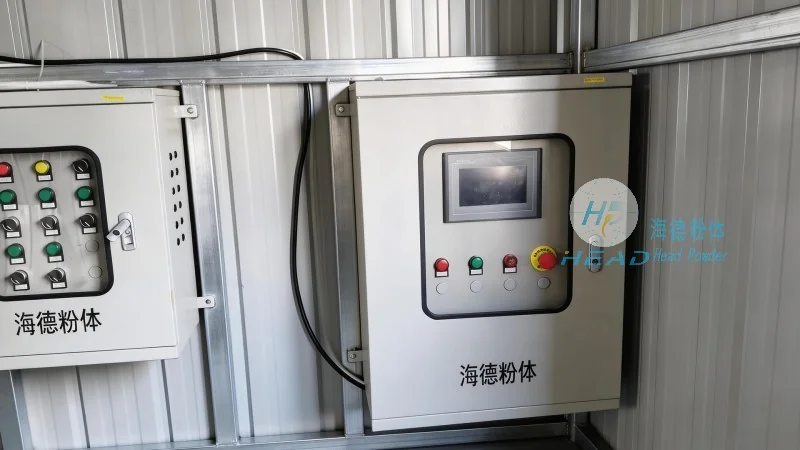
Another type of pneumatic conveying system is the hybrid system, which combines elements of both positive and negative pressure systems. This system is often used for more complex applications where both long-distance transport and material collection from multiple points are required. The hybrid system allows for greater flexibility and can be customized to meet the specific needs of a dry manure transport operation.
Practical Applications of Pneumatic Conveying Systems
Pneumatic conveying systems for dry manure have a wide range of practical applications in the agricultural and waste management industries. One common application is the transport of manure from barns or storage facilities to composting or processing facilities. This allows for the efficient collection and processing of manure, which can then be used as a nutrient-rich fertilizer.
Another application is the transport of manure to fields for direct application as fertilizer. Pneumatic conveying systems can deliver manure directly to the field, reducing the need for trucks and other vehicles. This not only saves time and labor but also minimizes the environmental impact of manure transport.
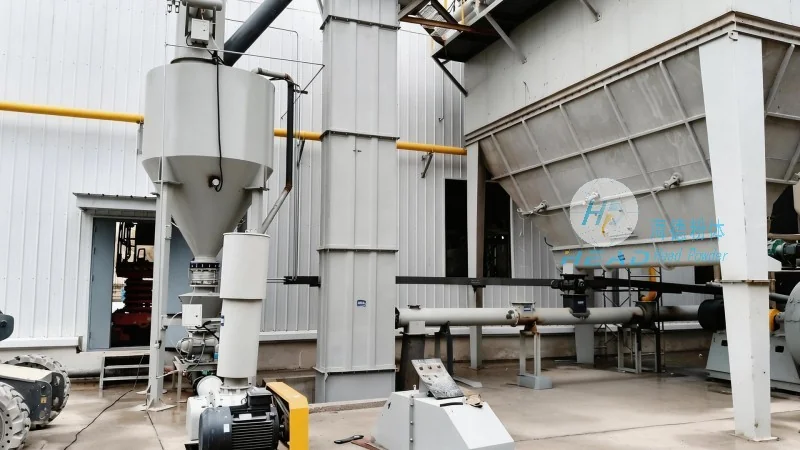
Additionally, pneumatic conveying systems are used in the processing of manure into bioenergy products, such as biogas or biofuels. The systems can transport the manure to the processing facility, where it is converted into a usable energy source. This provides an additional benefit to farmers and agricultural operations, as it reduces their reliance on fossil fuels and contributes to a more sustainable energy future.
Furthermore, pneumatic conveying systems are used in the transportation of manure for waste management purposes. In some areas, manure is collected and transported to treatment facilities where it is processed into a more stable and usable form. Pneumatic conveying systems can handle the volume and consistency of manure, making them an ideal choice for these applications.
Advantages of Pneumatic Conveying Systems for Dry Manure Transport
There are several advantages to using pneumatic conveying systems for dry manure transport. One of the main advantages is the ability to transport material over long distances without the need for intermediate storage or handling. This reduces the overall cost and time required for the transport process. Additionally, pneumatic conveying systems are less likely to cause dust emissions compared to other methods, making them a more environmentally friendly option.
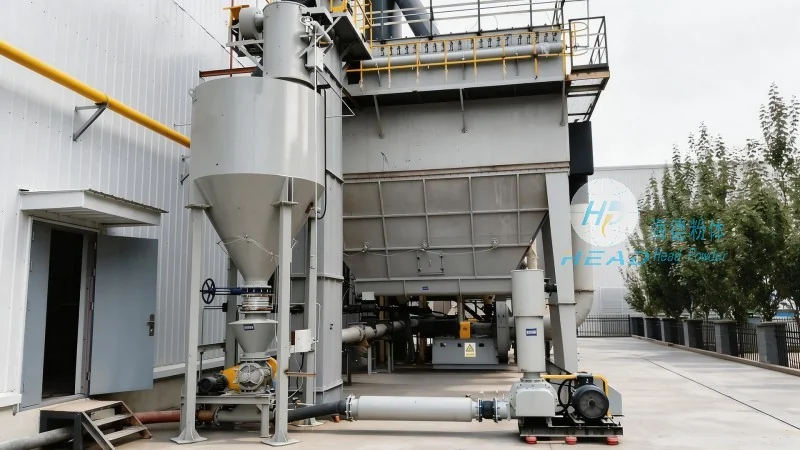
Another advantage is the flexibility of the system. Pneumatic conveying systems can be customized to meet the specific needs of a dry manure transport operation. This includes the ability to adjust the flow rate, pressure, and distance of transport. The system can also be expanded or modified as the needs of the operation change, making it a long-term investment.
Furthermore, pneumatic conveying systems are less labor-intensive compared to other methods. The system can operate continuously, reducing the need for manual labor and increasing the efficiency of the operation. This not only saves on labor costs but also reduces the risk of accidents and injuries in the workplace.
Conclusion
Pneumatic conveying systems are an effective and efficient solution for dry manure transport. The different types of systems available, including positive pressure, negative pressure, and hybrid systems, offer flexibility and can be customized to meet the specific needs of a dry manure transport operation. The practical applications of these systems are wide-ranging, from transporting manure to composting facilities to fields for direct application as fertilizer. The advantages of using pneumatic conveying systems, including long-distance transport, reduced dust emissions, and flexibility, make them a popular choice in the agricultural and waste management industries.




