Tungsten carbide, a critical material in modern industrial applications, requires efficient and reliable material handling solutions for its processing and distribution. Among the various methods available, pneumatic conveying stands out as a preferred technique due to its ability to transport powders and granules with minimal contamination and mechanical wear. This article provides a detailed comparison between positive pressure and negative pressure conveying systems, focusing on their applications, operational principles, and suitability for tungsten carbide handling. The analysis is presented by Shandong HeadPowder Engineering Co., Ltd., a leading provider of engineering solutions for powder processing in China.
Introduction to Tungsten Carbide Conveying Systems
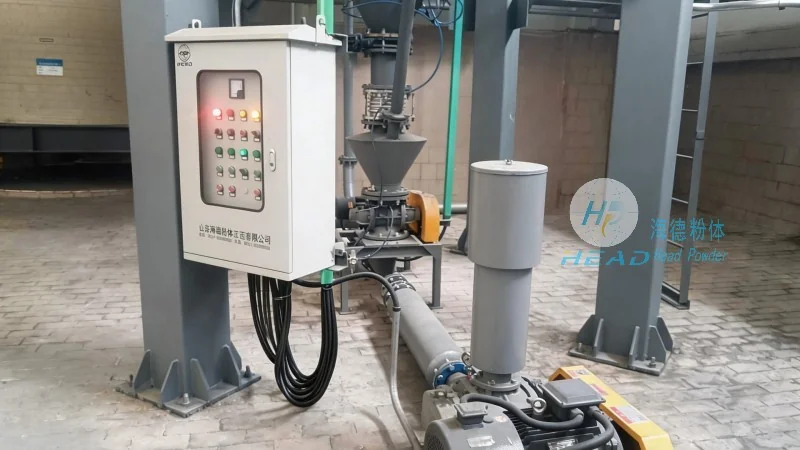
Tungsten carbide is widely used in cutting tools, wear-resistant components, and other high-performance applications. Its handling demands precision to maintain material integrity and prevent degradation. Pneumatic conveying systems offer a non-contact method to transport tungsten carbide powders, ensuring cleanliness and reducing the risk of contamination. The choice between positive and negative pressure systems depends on factors such as material properties, system layout, and operational requirements. Understanding the differences between these two approaches is essential for selecting the most effective conveying solution.
Positive Pressure Conveying Method
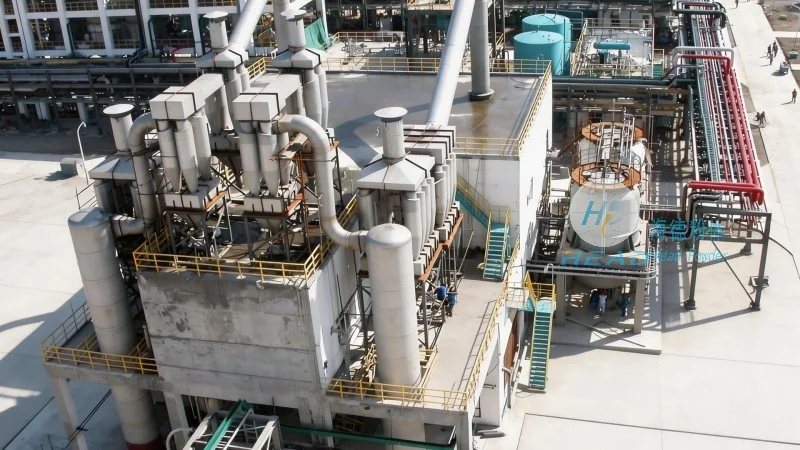
Positive pressure conveying, also known as pressure pneumatic conveying, operates by blowing air or a carrier gas into the conveying line, creating a pressure higher than the ambient atmosphere. This method is particularly effective for transporting materials over longer distances and through complex system layouts. In the context of tungsten carbide, positive pressure systems are often preferred for their ability to handle abrasive and dense powders. The high pressure ensures that the material is continuously propelled through the pipeline, minimizing the risk of blockages and ensuring consistent flow rates. Shandong HeadPowder Engineering Co., Ltd. specializes in designing and manufacturing positive pressure conveying systems tailored to the unique characteristics of tungsten carbide, including high density and potential for particle agglomeration.
Negative Pressure Conveying Method
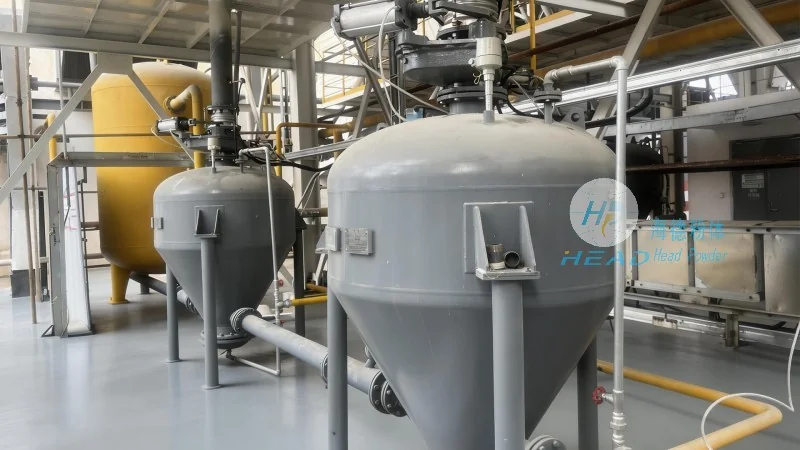
Negative pressure conveying, or vacuum pneumatic conveying, works by creating a vacuum in the conveying line, drawing material from the source into the system. This approach is commonly used for shorter distances and when the material is to be collected from multiple points. For tungsten carbide, negative pressure systems are suitable for applications where the material is to be collected from a hopper or storage bin and transported to a processing unit. The vacuum helps in maintaining the material's integrity by preventing exposure to air, which could lead to oxidation or degradation. However, negative pressure systems may face challenges with abrasive materials, as the vacuum can cause increased wear on system components over time.
Comparison of Positive vs. Negative Pressure Conveying
When comparing positive and negative pressure conveying for tungsten carbide, several key factors emerge. Positive pressure systems generally offer higher throughput and are more suitable for long-distance transport, while negative pressure systems are better for short distances and multiple collection points. The choice also depends on the system's layout and the need for material containment. Positive pressure systems require robust seals and pressure-resistant components to prevent air leakage, whereas negative pressure systems need efficient filtration to maintain air quality and prevent dust accumulation. From an operational perspective, positive pressure systems may have higher energy consumption due to the need to maintain elevated pressure, whereas negative pressure systems rely on vacuum pumps, which can be more energy-efficient for shorter runs.
Practical Applications and Recommendations
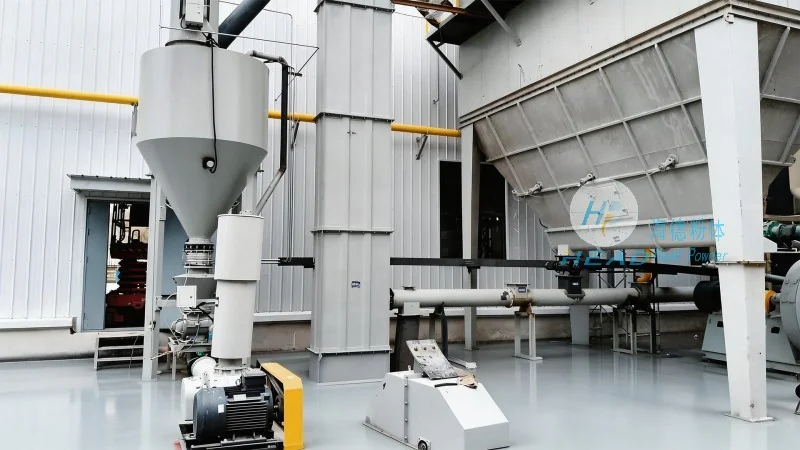
For industries dealing with tungsten carbide, the selection of a conveying system should align with specific operational needs. Positive pressure conveying is recommended for large-scale production lines where high throughput and long-distance transport are required. Shandong HeadPowder Engineering Co., Ltd. has successfully implemented positive pressure systems in factories handling tungsten carbide powders, ensuring reliable material transport from storage to processing units. Negative pressure conveying, on the other hand, is ideal for smaller-scale operations or applications where the material is to be collected from multiple sources and transported to a central processing point. The company's expertise in both system types allows for customized solutions that meet the unique demands of each client. Ultimately, the choice between positive and negative pressure conveying for tungsten carbide depends on a thorough evaluation of material properties, system requirements, and operational efficiency. By understanding the strengths and limitations of each approach, manufacturers can select the most appropriate conveying method to enhance productivity and maintain material quality.




