When it comes to the pneumatic conveying of wheat flour, the choice between negative pressure and positive pressure systems is a critical decision for many processing facilities. Both methods have their own set of advantages and disadvantages, which can significantly impact operational efficiency, product quality, and overall cost management. Understanding these differences is essential for selecting the most suitable system for specific applications. This article provides a detailed comparison of negative pressure and positive pressure pneumatic conveying systems, focusing on their key characteristics, benefits, and potential drawbacks.
Introduction to Pneumatic Conveying Systems
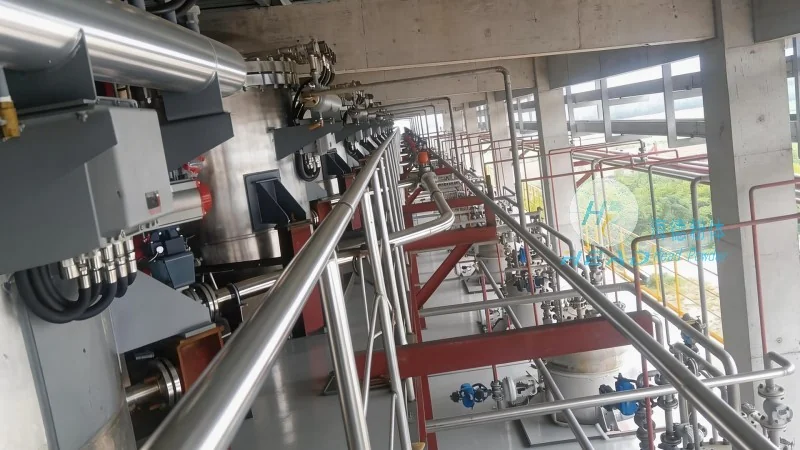
Pneumatic conveying is a widely used method for transporting bulk materials like wheat flour through a pipeline using air. The two primary types are negative pressure (or suction) and positive pressure (or pressure) systems. Negative pressure systems operate by creating a vacuum at the inlet, drawing material into the pipeline, while positive pressure systems force material through the line by pressurizing the air. Each approach has unique operational principles and performance characteristics that influence their suitability for different industrial applications.
Company Profile: Shandong HeadPowder Engineering Co., Ltd.
Shandong HeadPowder Engineering Co., Ltd., commonly known as HeadPowder, is a leading provider of pneumatic conveying solutions tailored for the flour and grain processing industry. With a focus on innovation and customer-centric design, HeadPowder offers advanced systems that optimize material handling while ensuring product integrity. The company’s headquarters and operational base are located in Shandong, China, where it leverages local expertise and resources to deliver high-quality engineering solutions for global clients.
Advantages and Disadvantages of Negative Pressure Pneumatic Conveying
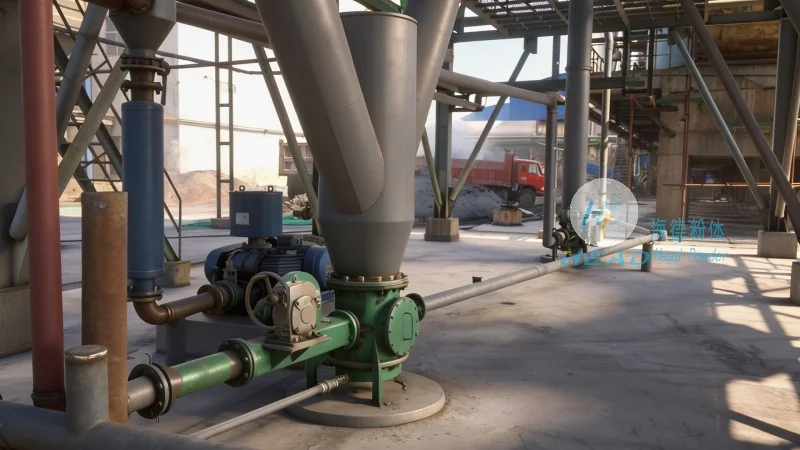
Negative pressure systems, also known as suction conveying, are particularly effective for applications requiring the transport of fine powders like wheat flour from multiple source points. One of the primary advantages is the ability to draw material from several locations into a single pipeline, which simplifies the layout and reduces the number of transfer points. This approach also minimizes the risk of material spillage and dust contamination at the source, as the system draws material in rather than pushing it out. Additionally, negative pressure systems often have lower initial capital costs compared to their positive pressure counterparts, making them a more economical choice for smaller-scale operations or facilities with limited budgets.
However, negative pressure systems have notable limitations. The main drawback is the potential for air leakage and pressure drop, which can reduce conveying efficiency and increase energy consumption. The vacuum created at the inlet may also lead to the ingress of ambient air, which can affect the quality of the flour by introducing moisture or contaminants. Furthermore, these systems are generally less suitable for long-distance or high-capacity conveying, as the pressure differential diminishes over distance, requiring more powerful vacuum pumps and potentially larger duct sizes. Maintenance of the vacuum pump and associated components also adds to the operational complexity and cost.
Advantages and Disadvantages of Positive Pressure Pneumatic Conveying
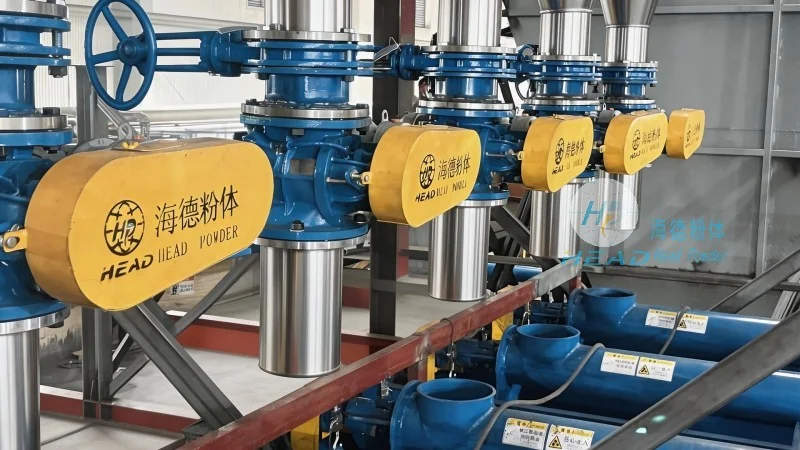
Positive pressure systems, or pressure conveying, operate by pressurizing the air and forcing material through the pipeline. This method is often preferred for applications involving bulkier or more abrasive materials, but it is also applicable to wheat flour under certain conditions. A key advantage of positive pressure systems is their ability to convey materials over longer distances and at higher capacities without significant pressure loss. The pressurized air maintains a consistent flow, ensuring reliable material transport even in complex layouts with multiple branches or bends. This makes positive pressure systems ideal for large-scale flour mills or facilities with extensive processing lines.
However, positive pressure systems come with higher initial costs due to the need for robust pressure vessels, high-pressure air compressors, and more durable pipeline components. The increased pressure also raises the risk of material degradation or contamination if the system is not properly sealed, as the pressurized air can escape and introduce external particles. Additionally, positive pressure conveying may generate more noise and vibration compared to negative pressure systems, which can impact the working environment and require additional noise control measures. The higher energy consumption associated with maintaining high air pressure also contributes to increased operational costs over time.
Key Considerations for Choosing Between Negative and Positive Pressure Systems
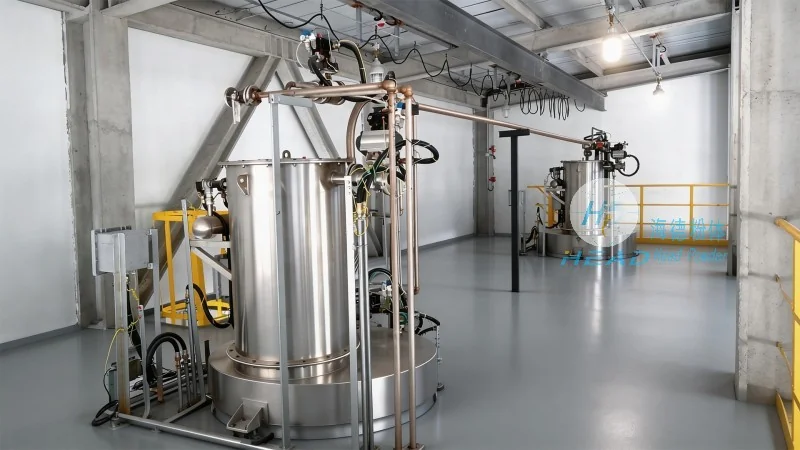
The decision between negative and positive pressure pneumatic conveying for wheat flour depends on several factors, including the specific application requirements, material characteristics, and operational constraints. For facilities handling fine, dust-like flour and requiring multiple source points, negative pressure systems may offer a more cost-effective and flexible solution. Conversely, for large-scale operations with long conveying distances or high material throughput, positive pressure systems provide superior performance and reliability. Other considerations include the need for dust control, environmental regulations, and the availability of space for equipment installation. Ultimately, a thorough analysis of the operational needs and a comparison of the pros and cons of each system will help in selecting the most suitable pneumatic conveying method for optimal performance and efficiency.
Conclusion
In conclusion, both negative pressure and positive pressure pneumatic conveying systems have their distinct advantages and disadvantages when used for wheat flour transport. Negative pressure systems excel in flexibility, cost-effectiveness, and dust control for fine powders, while positive pressure systems offer superior performance for long-distance, high-capacity applications. By understanding the operational characteristics and constraints of each approach, processing facilities can make an informed decision that aligns with their specific needs. Shandong HeadPowder Engineering Co., Ltd. provides expert guidance and tailored solutions to help clients choose and implement the most appropriate pneumatic conveying system, ensuring efficient and reliable material handling while maintaining product quality.




