Gypsum and fly ash powders are widely used in industrial processes, and efficient material handling is crucial for maintaining production efficiency and safety. Among the various methods of pneumatic conveying, negative pressure and positive pressure systems are two primary approaches. This article provides a detailed comparison of the advantages and disadvantages of negative pressure versus positive pressure conveying for handling gypsum and fly ash powders, helping industrial operators make informed decisions based on their specific operational needs.
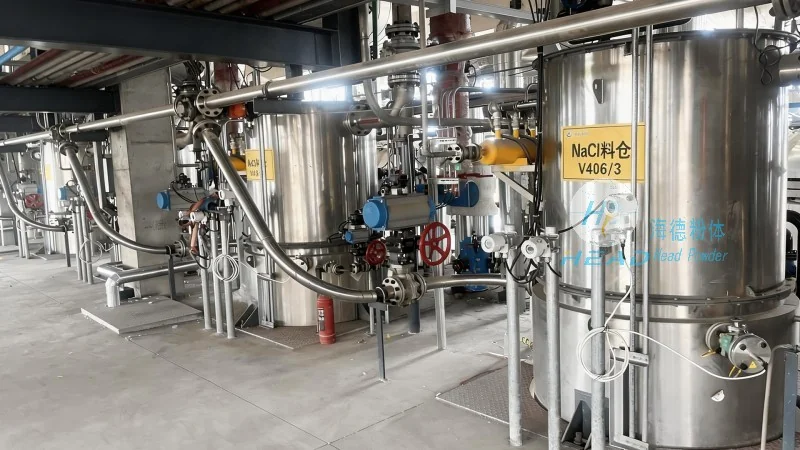
Negative Pressure Conveying: Advantages and Considerations
Negative pressure conveying, also known as suction conveying, operates by creating a vacuum in the system to draw material from the source to the destination. This method is particularly effective for applications where the material is to be transported from a single source to multiple destinations or where the material is sensitive to pressure changes. One of the key advantages of negative pressure systems is their ability to handle materials that are prone to dusting or caking, as the vacuum helps maintain a consistent flow and prevents material degradation. Additionally, negative pressure conveying is often more energy-efficient for short to medium distance transport, as it requires less power to maintain the vacuum compared to positive pressure systems. However, there are several considerations to keep in mind. Negative pressure systems are generally less suitable for long-distance transport due to the limitations in maintaining sufficient vacuum over extended distances. They also require careful design to prevent air leakage, which can reduce efficiency and increase energy consumption. Furthermore, the system may be more susceptible to clogging if the material contains high moisture content or fine particles that can easily accumulate in the suction lines.
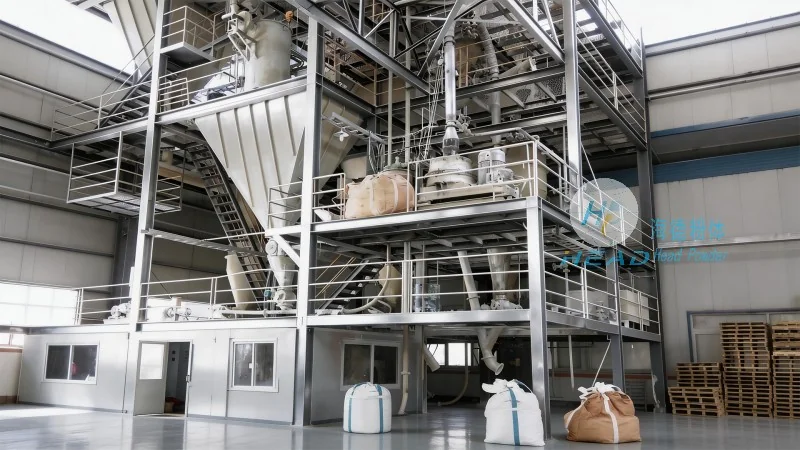
Positive Pressure Conveying: Advantages and Considerations
Positive pressure conveying, or pressure conveying, works by blowing air or a carrier gas through the material to move it from the source to the destination. This method is ideal for long-distance transport and for materials that are less sensitive to pressure variations. A significant advantage of positive pressure systems is their ability to handle longer distances without significant loss of pressure, making them suitable for industrial applications where the material needs to be transported over several hundred meters or more. Positive pressure conveying also offers better control over the material flow rate and can handle a wider range of particle sizes and moisture contents. Another key benefit is the reduced risk of material degradation, as the system maintains a positive pressure environment that prevents contamination from external sources. However, positive pressure systems typically require more energy compared to negative pressure systems, especially for long-distance transport. They also need regular maintenance to ensure that the air filters and blowers operate efficiently, as clogging can lead to increased energy consumption and system downtime. Additionally, positive pressure conveying may be less effective for materials that are highly cohesive or prone to bridging, as the pressure may not be sufficient to break down these issues.
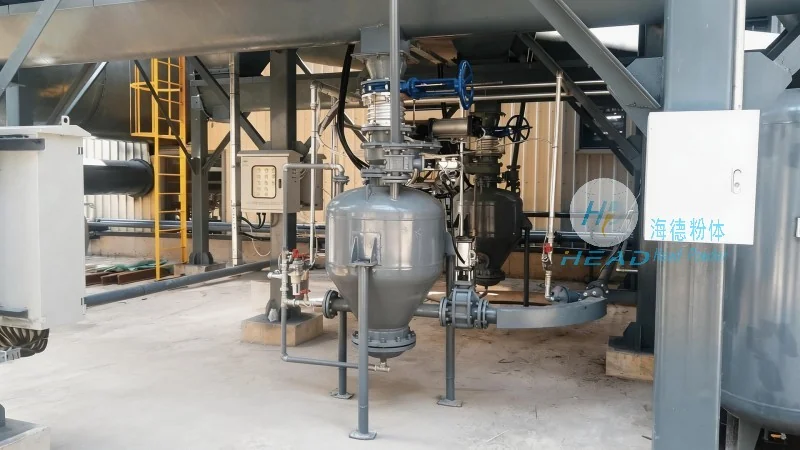
Key Differences and Selection Factors
When choosing between negative pressure and positive pressure conveying for gypsum and fly ash powders, several factors must be considered. The primary factor is the distance of the transport. For short to medium distances (typically up to 100 meters), negative pressure conveying may be more cost-effective and energy-efficient. For longer distances (over 100 meters), positive pressure conveying is generally preferred due to its ability to maintain pressure over extended lengths. Another critical factor is the material characteristics. Materials that are dusty, have high moisture content, or are prone to caking may benefit more from negative pressure systems, as the vacuum helps prevent material degradation. Conversely, materials that are less sensitive to pressure and require long-distance transport are better suited for positive pressure systems. The number of destinations also plays a role; negative pressure systems are often used for multiple branch lines from a single source, while positive pressure systems are typically used for single-line, long-distance transport. Finally, the overall system cost and maintenance requirements must be evaluated. Negative pressure systems may have lower initial costs but higher maintenance due to the need for regular air filter changes and vacuum pump upkeep. Positive pressure systems may have higher initial costs but lower maintenance over time, especially if the system is designed with high-efficiency blowers and filters.
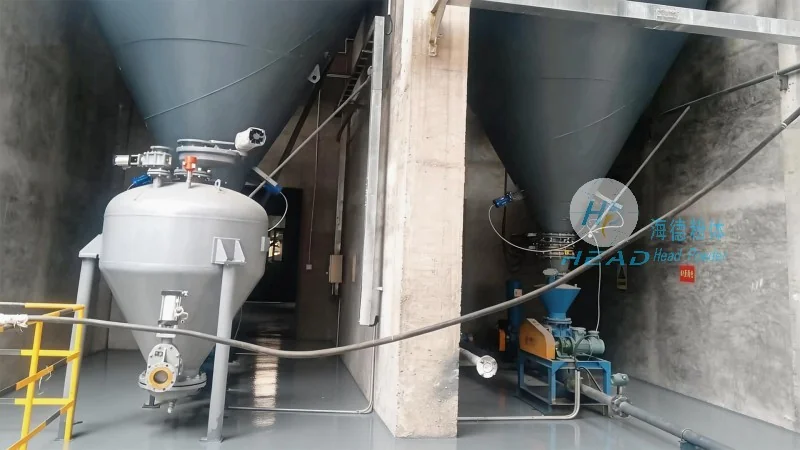
Shandong HeadPowder Engineering Co., Ltd., a leading provider of pneumatic conveying solutions, specializes in designing and manufacturing customized systems for handling gypsum and fly ash powders. With years of experience in the industry, the company understands the unique challenges associated with these materials and offers tailored solutions that optimize efficiency, safety, and cost-effectiveness. Whether a negative pressure or positive pressure system is chosen, HeadPowder Engineering ensures that the equipment is designed to meet the specific operational requirements of each client, providing reliable and durable solutions for material handling needs.




