When it comes to the pneumatic conveying of alloy powders, selecting the right conveying method is crucial for ensuring efficiency, safety, and cost-effectiveness. Two primary approaches are widely used: negative pressure conveying and positive pressure conveying. Each method has its own set of advantages and disadvantages, which can significantly impact the overall performance of the conveying system. This article provides a detailed comparison of the pros and cons of negative pressure and positive pressure conveying for alloy powders, helping industry professionals make informed decisions based on their specific operational needs. The insights shared here are based on the expertise of Shandong HeadPowder Engineering Co., Ltd., a leading manufacturer of alloy powder handling equipment.
Introduction to Pneumatic Conveying Methods
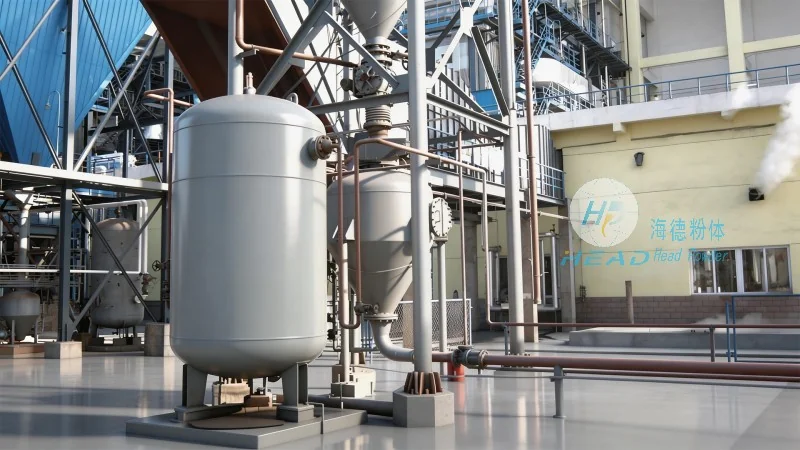
Pneumatic conveying is a technology that uses air or other gases to transport bulk materials like alloy powders through a pipeline system. The choice between negative pressure and positive pressure systems depends on various factors, including the material characteristics, the distance of transport, the required flow rate, and the environmental considerations. Understanding the fundamental differences between these two methods is essential for selecting the most suitable solution for alloy powder handling applications.
Negative Pressure Conveying: How It Works
Negative pressure conveying, also known as suction conveying, operates by creating a low-pressure zone in the conveying line. This is typically achieved using a vacuum pump or a fan that draws air and the powder mixture into the system. The material is then transported from the source to the destination by the pressure differential between the low-pressure zone and the ambient air pressure. This method is often preferred for applications where the material is to be collected from a source that is at a higher elevation or where the material is sensitive to high pressure.
Advantages of Negative Pressure Conveying for Alloy Powders
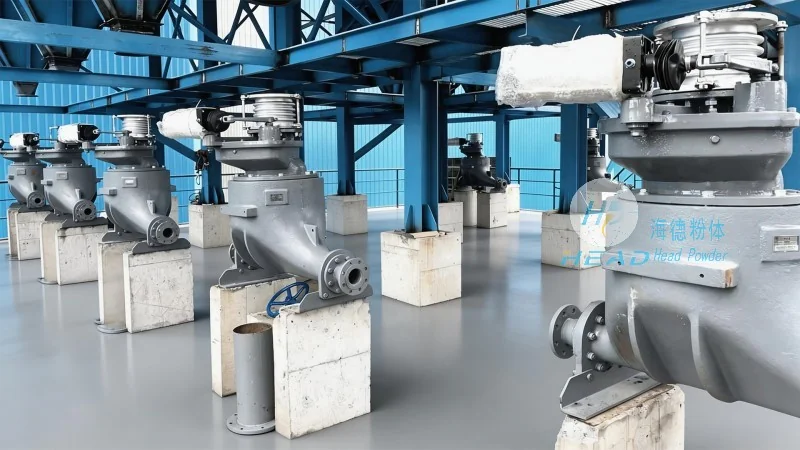
One of the key advantages of negative pressure conveying is its ability to handle materials that are prone to dust generation or are sensitive to contamination. The low-pressure environment reduces the risk of material degradation and ensures that the powder remains in a dry and clean state during transport. Additionally, negative pressure systems are generally more energy-efficient for short to medium distances, as they require less power to maintain the vacuum compared to positive pressure systems. This makes them an attractive option for applications where the conveying distance is relatively short and the material is not highly abrasive.
Disadvantages of Negative Pressure Conveying
Despite its advantages, negative pressure conveying has several drawbacks. One of the main limitations is its lower conveying capacity compared to positive pressure systems. The suction force is limited by the vacuum pump's capacity, which can restrict the flow rate of the material. This can be a significant issue for high-volume alloy powder applications. Another drawback is the potential for material degradation due to the longer residence time in the system, especially for heat-sensitive materials. Furthermore, negative pressure systems are more susceptible to clogging and blockages, as the low pressure can cause the powder to settle and accumulate in the pipeline. Maintenance and cleaning of the system can be more complex and time-consuming.
Positive Pressure Conveying: How It Works
Positive pressure conveying, also known as pressure conveying, operates by blowing air or gas into the conveying line, creating a high-pressure environment. The material is then pushed through the pipeline by the pressure differential between the high-pressure zone and the ambient air pressure. This method is commonly used for long-distance conveying or when the material needs to be transported from a lower elevation to a higher one. Positive pressure systems are generally more robust and capable of handling a wider range of materials, including abrasive and corrosive powders.
Advantages of Positive Pressure Conveying for Alloy Powders
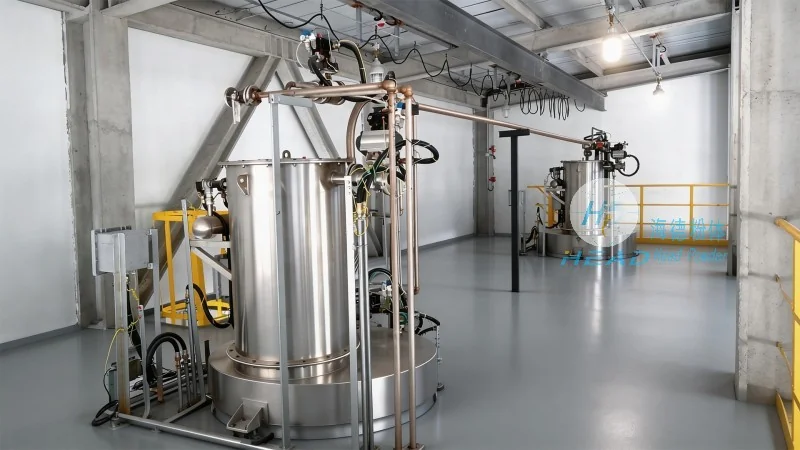
Positive pressure conveying offers several advantages that make it suitable for high-volume and long-distance alloy powder transport. The primary benefit is its higher conveying capacity, as the pressure can be increased to meet the required flow rate. This makes it ideal for applications where large quantities of alloy powders need to be moved efficiently. Another advantage is the ability to handle abrasive and corrosive materials without significant wear on the system components. The high-pressure environment also helps to maintain the material's integrity by reducing the risk of degradation and ensuring consistent particle size distribution.
Disadvantages of Positive Pressure Conveying
However, positive pressure conveying also has its disadvantages. The most significant drawback is its higher energy consumption compared to negative pressure systems. Maintaining the high pressure requires more power, which can increase operational costs, especially for long-distance or high-volume applications. Additionally, positive pressure systems are more prone to material degradation due to the higher air velocity and pressure, which can cause particle attrition and affect the material's quality. The system also requires more robust components, such as high-pressure fans and seals, which can increase the initial investment and maintenance costs. Furthermore, positive pressure conveying can generate more dust and noise, which may require additional environmental controls.
Comparison and Selection Criteria
When comparing negative pressure and positive pressure conveying for alloy powders, several factors need to be considered to determine the most suitable method. The primary considerations include the conveying distance, the material characteristics (such as particle size, density, and abrasiveness), the required flow rate, and the operational environment. For short-distance conveying of non-abrasive, low-volume alloy powders, negative pressure conveying may be more cost-effective. Conversely, for long-distance or high-volume conveying of abrasive or heat-sensitive materials, positive pressure conveying is often the better choice.
Application Examples
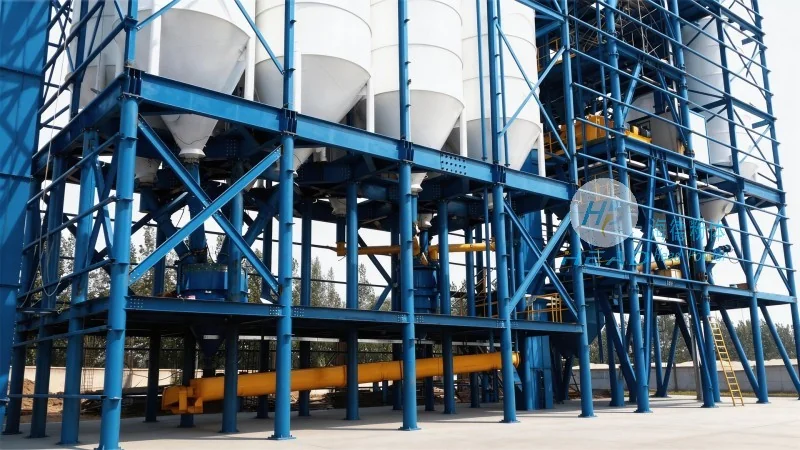
Both negative and positive pressure conveying systems are widely used in the alloy powder industry. For example, negative pressure systems are commonly used in the collection of alloy powders from hoppers or silos, where the material needs to be transported to a processing unit. Positive pressure systems are often employed in the transport of alloy powders from a production facility to a storage or shipping location, especially when the distance is significant. The choice of system depends on the specific requirements of each application, and a thorough analysis of the operational parameters is essential to ensure optimal performance.
Conclusion
In conclusion, both negative pressure and positive pressure conveying methods have their own set of advantages and disadvantages when it comes to the pneumatic transport of alloy powders. Negative pressure conveying is suitable for short-distance, low-volume, and dust-sensitive applications, while positive pressure conveying is better suited for long-distance, high-volume, and abrasive material transport. The selection of the appropriate method depends on a careful evaluation of the operational needs and material characteristics. By understanding the pros and cons of each system, industry professionals can choose the most efficient and cost-effective solution for their alloy powder handling requirements.




