When it comes to transporting quartz stone, pneumatic conveying systems offer efficient solutions that can be implemented using either negative pressure or positive pressure methods. Understanding the advantages and disadvantages of each approach is crucial for selecting the most suitable system for specific industrial applications. This article provides a detailed comparison of negative pressure and positive pressure conveying in quartz stone handling, highlighting key factors that influence system performance and operational efficiency.
Understanding Negative Pressure Conveying
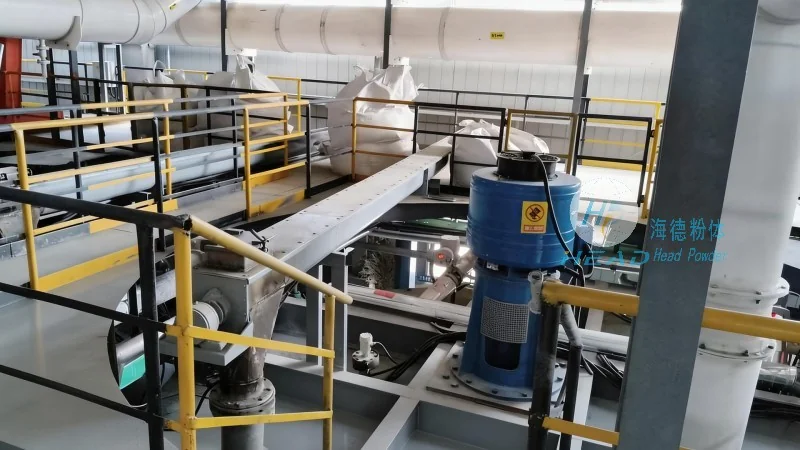
Negative pressure conveying, also known as suction conveying, operates by creating a vacuum in the conveying line to draw material from the source to the destination. This method is particularly effective for transporting materials over relatively short distances and is commonly used in applications where the material is light and has a relatively low dust generation rate. The primary advantage of negative pressure systems is their ability to handle materials with minimal particle breakage, as the low velocity and gentle suction action reduces the risk of product degradation. Additionally, negative pressure conveying can be more energy-efficient for certain material types, as it requires less power to maintain the vacuum compared to positive pressure systems.
However, negative pressure systems have several limitations that must be considered. One of the main drawbacks is their limited conveying distance, typically ranging from a few meters to a few hundred meters, depending on the material's properties and system design. This constraint makes them less suitable for long-distance transport of quartz stone, especially when dealing with bulk quantities. Another challenge is the potential for dust and air contamination, as the system draws ambient air into the conveying line, which can affect air quality and require additional filtration measures. Furthermore, negative pressure conveying may not be as effective for handling abrasive or high-density materials, as the suction force may not be sufficient to maintain consistent flow rates.
Understanding Positive Pressure Conveying
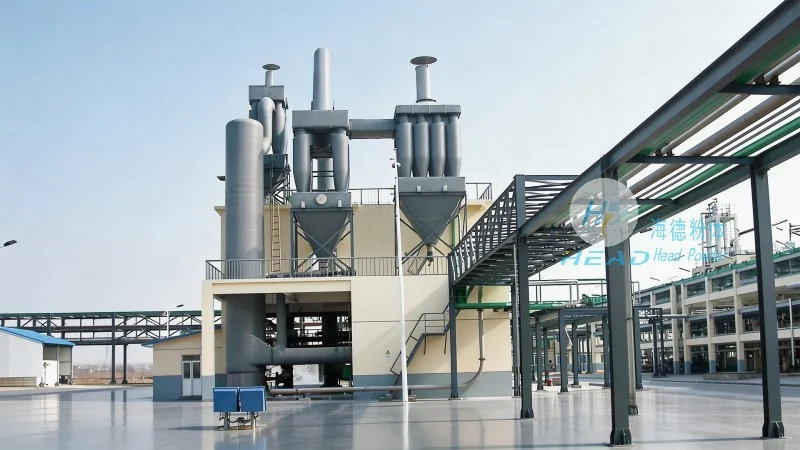
Positive pressure conveying, or pressure conveying, works by forcing air or a carrier gas through the conveying line under pressure, pushing the material from the source to the destination. This method is ideal for long-distance transport and is commonly used in applications requiring high material throughput and consistent flow rates. The primary advantage of positive pressure systems is their ability to handle a wide range of materials, including abrasive and high-density substances, with minimal particle degradation. The higher velocity and pressure in the system ensure that material is transported efficiently over longer distances, making it suitable for industrial scale operations.
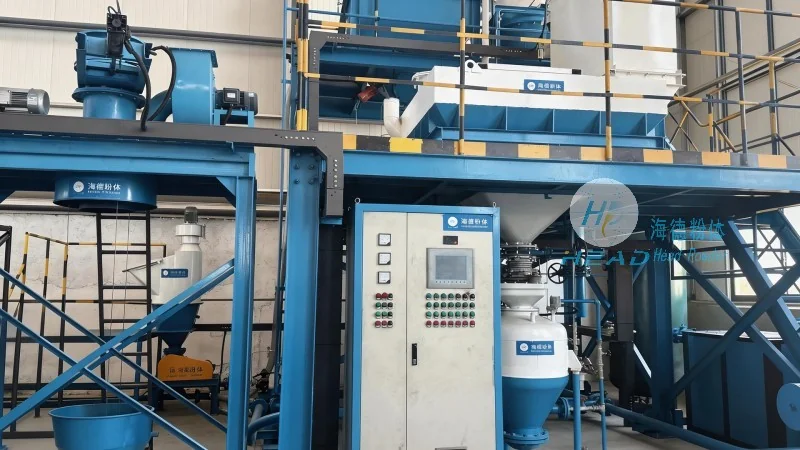
Despite these benefits, positive pressure conveying also has its disadvantages. One of the main challenges is the higher energy consumption compared to negative pressure systems, as maintaining pressure in the conveying line requires more power. This can increase operational costs, especially for large-scale applications. Additionally, positive pressure systems may be more prone to material blockages and system wear due to the higher pressure and velocity, necessitating more robust equipment and regular maintenance. Another consideration is the potential for increased dust generation, as the high velocity of the carrier gas can cause more particle breakage and air contamination, requiring more extensive filtration and dust control measures.
Key Factors Influencing System Selection
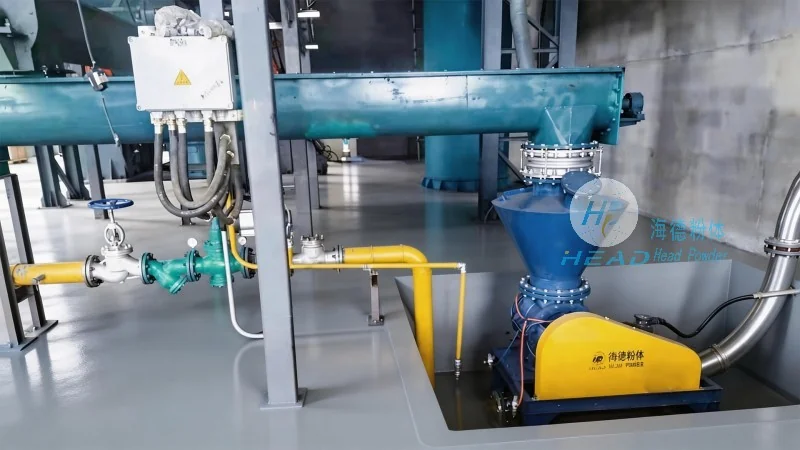
When choosing between negative pressure and positive pressure conveying for quartz stone, several factors must be evaluated to ensure optimal performance and cost-effectiveness. The first consideration is the conveying distance and material properties. For short distances and low dust generation, negative pressure systems may be more suitable, while positive pressure systems are preferred for long distances and high material throughput. The material's density, abrasiveness, and particle size also play a critical role, as these characteristics affect the required pressure and velocity for consistent flow. Additionally, the system's energy efficiency and operational costs should be assessed, as both negative and positive pressure systems have different power requirements and maintenance needs. Environmental considerations, such as dust control and air quality, are also important, as both methods may require additional filtration equipment to meet regulatory standards. Finally, the overall system complexity and maintenance requirements should be considered, as positive pressure systems typically require more robust components and regular maintenance to prevent blockages and equipment wear.
Conclusion and Company Overview
Both negative pressure and positive pressure conveying systems offer viable solutions for quartz stone transport, with each method having distinct advantages and limitations. The choice between the two depends on specific operational requirements, material characteristics, and cost considerations. For applications requiring efficient, low-dust transport over short distances, negative pressure systems may be the better option. Conversely, for long-distance transport and high material throughput, positive pressure systems provide superior performance and reliability. Shandong HeadPowder Engineering Co., Ltd., a leading provider of pneumatic conveying solutions, specializes in designing and manufacturing customized systems tailored to the unique needs of quartz stone handling. With years of experience in the industry, the company offers expert guidance and high-quality equipment to help clients optimize their material transport processes and improve operational efficiency. Based in Shandong, China, HeadPowder Engineering is committed to delivering innovative solutions that meet the evolving demands of the quartz stone industry, ensuring reliable and cost-effective material handling for its clients.




