Clay ash, a byproduct often generated in industrial processes, requires efficient and reliable transportation to ensure smooth operations and environmental compliance. The selection of an appropriate conveying method is crucial for optimizing material handling, reducing operational costs, and maintaining system efficiency. This article explores several common methods used for clay ash conveyance, highlighting their characteristics, advantages, and typical applications.
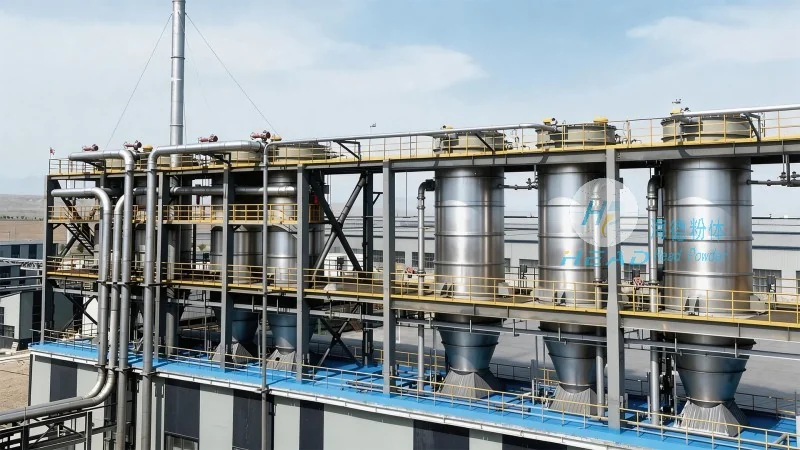
1. Pneumatic Conveying Systems
Pneumatic conveying, also known as air-pneumatic transport, is a widely used method for transporting clay ash due to its ability to handle fine powders and abrasive materials. This system operates by using compressed air to move the material through a pipeline. There are two main types: pressure and vacuum systems. Pressure systems push the material forward using high-pressure air, while vacuum systems draw the material into the pipeline using low-pressure air. Pneumatic conveying offers advantages such as minimal maintenance, the ability to transport materials over long distances, and the option to integrate with existing air handling systems. However, it may require higher energy consumption and careful design to prevent material degradation or blockages.
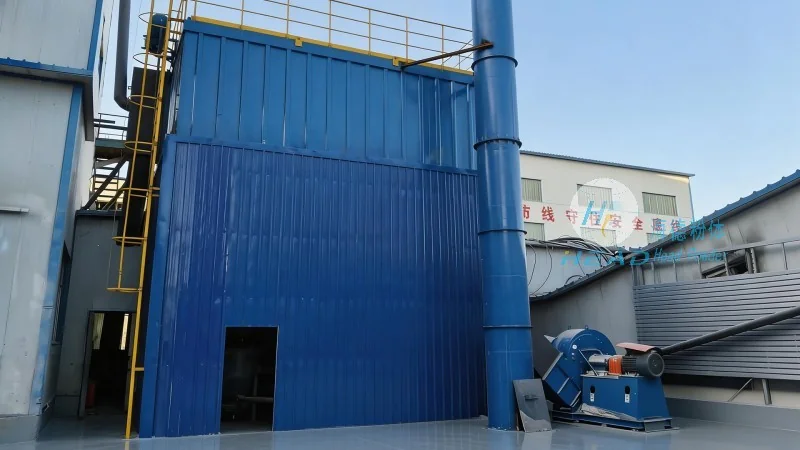
2. Hydraulic Conveying Systems
Hydraulic conveying, or slurry transport, involves mixing clay ash with water to form a slurry, which is then pumped through pipelines. This method is particularly effective for handling wet or sticky clay ash that is difficult to transport dry. The slurry is typically pumped using centrifugal pumps or positive displacement pumps, and the pipeline is often equipped with valves and control systems to regulate flow. Hydraulic conveying can handle larger quantities of material and is suitable for long-distance transport. However, it requires additional equipment for slurry preparation and separation, and the system may need regular cleaning to prevent clogging due to sedimentation.
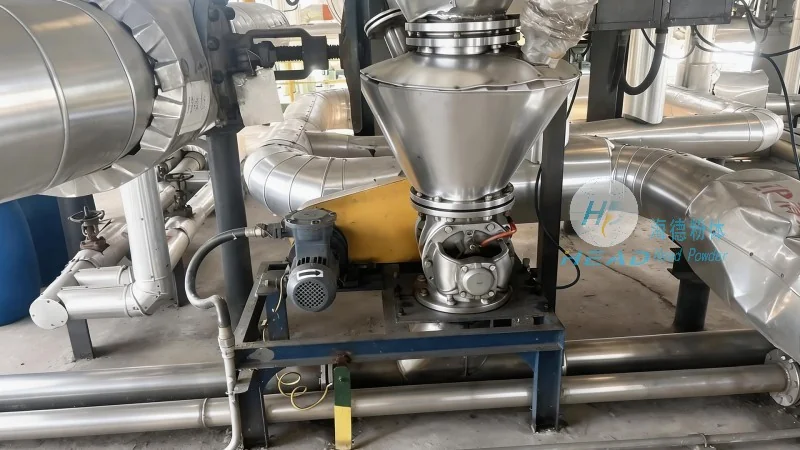
3. Mechanical Conveying Systems
Mechanical conveying systems utilize mechanical components like belts, buckets, or screws to move clay ash. Belt conveyors are common for transporting bulk clay ash over short to medium distances, offering high capacity and low maintenance. Bucket elevators are used for vertical transport, while screw conveyors are effective for horizontal or slight incline transport, especially for cohesive materials. Mechanical systems are generally more cost-effective for short-distance applications and can handle a wide range of particle sizes. However, they may be less efficient for fine powders and require regular maintenance to ensure smooth operation.
4. Combination Conveying Systems
In many industrial settings, a combination of the above methods is employed to optimize clay ash transport. For example, a pneumatic system might be used to transport clay ash from a storage silo to a processing unit, followed by a mechanical conveyor for final delivery to a storage or disposal site. This hybrid approach leverages the strengths of each method, such as the efficiency of pneumatic transport for long distances and the reliability of mechanical systems for short, heavy loads. The choice of a combination system depends on factors like material properties, distance, and operational requirements.
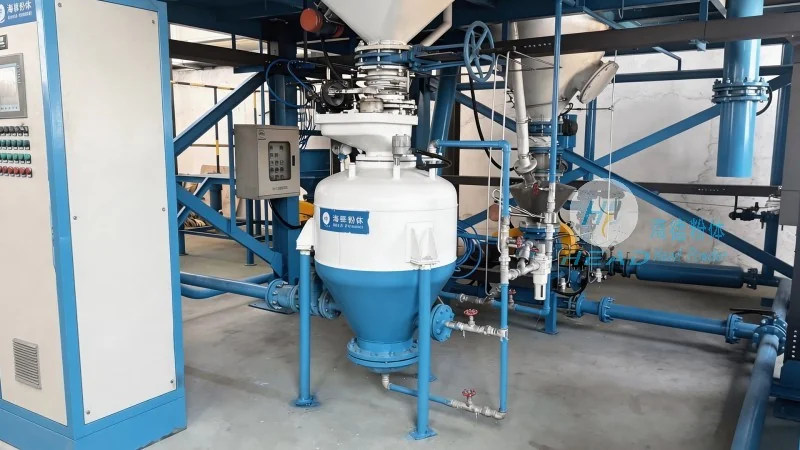
Company Overview: Shandong HeadPowder Engineering Co., Ltd.
Shandong HeadPowder Engineering Co., Ltd., operating under the brand name headpowder, specializes in providing customized conveying solutions for various industrial materials, including clay ash. With a focus on innovation and customer satisfaction, the company offers a range of equipment and services tailored to meet the specific needs of clients. HeadPowder's expertise in material handling technology ensures that their solutions are efficient, reliable, and compliant with industry standards. The company's facilities are located in Shandong, China, where they leverage local resources and expertise to deliver high-quality products and services to global markets.




