Shandong HeadPowder Engineering Co., Ltd., a professional engineering firm based in Shandong, China, specializes in the design and implementation of advanced air-pneumatic conveying systems tailored for phenolic resin powder applications. The company, commonly known as HeadPowder, leverages extensive industry experience to address the unique challenges associated with handling phenolic resin powder efficiently and safely. This article outlines the critical design considerations that ensure optimal performance, reliability, and operational efficiency in air-pneumatic conveying systems for phenolic resin powder.
System Type Selection and Material Compatibility
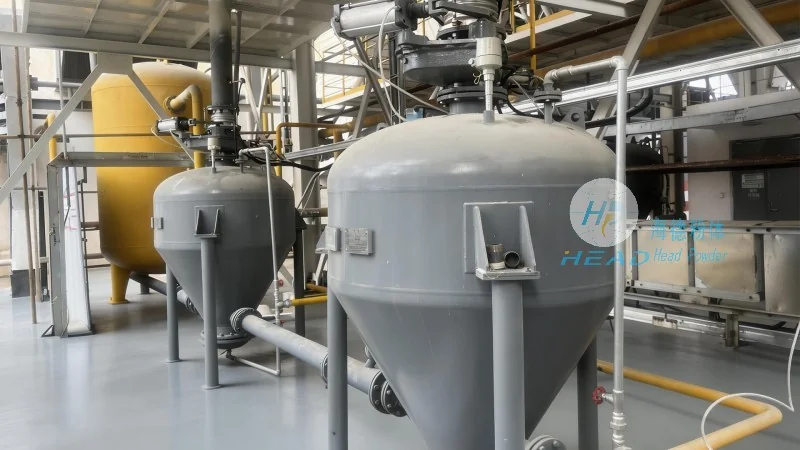
Choosing the appropriate air-pneumatic conveying system type is the foundational step in designing a successful phenolic resin powder handling solution. The primary system types include positive pressure, negative pressure, and hybrid systems. Positive pressure systems, where air is forced through the material, are often preferred for phenolic resin powder due to their ability to handle abrasive or corrosive materials effectively. These systems typically use high-pressure blowers to propel the powder through pipelines, minimizing the risk of material degradation and ensuring consistent flow rates. Material compatibility is paramount; the system components, such as pipes, valves, and filters, must be constructed from materials resistant to phenolic resin's chemical properties, such as stainless steel or specialized polymers, to prevent corrosion and ensure longevity.
Equipment Selection and Sizing
Key equipment selection, including blowers, cyclones, and material feeders, directly impacts the system's performance. The blower's capacity and pressure must be precisely matched to the conveying distance, pipeline length, and the specific characteristics of phenolic resin powder, such as particle size and moisture content. Cyclones, used for separation and material recovery, require careful sizing to ensure efficient separation without causing excessive pressure drops or material wear. Material feeders, such as rotary valves or screw feeders, must be designed to handle the powder's flow characteristics, preventing blockages and maintaining a consistent feed rate. The selection process involves detailed calculations based on the powder's bulk density, flowability, and the system's operational parameters to achieve optimal performance.
Pipeline Design and Layout Optimization
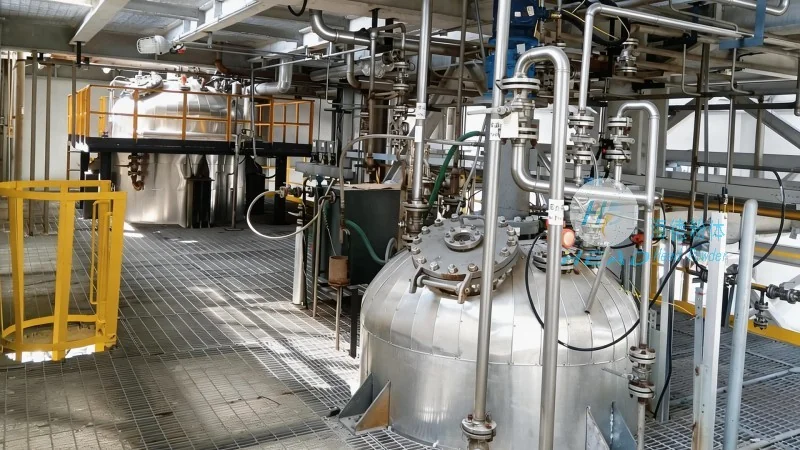
Pipeline design plays a crucial role in minimizing energy consumption and ensuring smooth material transport. The layout should minimize vertical and horizontal changes to reduce pressure losses and prevent material segregation or degradation. The use of appropriate pipe diameters and smooth interior surfaces is essential to maintain consistent flow velocities and prevent particle deposition. Additionally, incorporating features like expansion joints and supports helps accommodate thermal changes and mechanical stresses, ensuring the system's structural integrity over time. The design process also considers the need for proper venting and cleaning mechanisms to maintain system efficiency and prevent material buildup.
Control and Monitoring Systems
Advanced control and monitoring systems are integral to modern air-pneumatic conveying systems, enhancing operational efficiency and safety. These systems typically include sensors for pressure, flow, and level monitoring, as well as automated controls to adjust blower speed or feed rates in real-time. The integration of these systems allows for precise control over the conveying process, reducing energy waste and preventing overloading or underloading of the system. Additionally, the use of data logging and analytics tools enables continuous monitoring of system performance, facilitating predictive maintenance and early detection of potential issues. This proactive approach to system management ensures minimal downtime and maximizes the system's overall efficiency.
Safety and Environmental Considerations
Safety and environmental compliance are critical aspects of phenolic resin powder handling systems. The design must incorporate measures to prevent dust explosions, such as explosion-proof components and proper ventilation systems. Additionally, the system should be equipped with dust collection and filtration equipment to minimize airborne particulate emissions and comply with environmental regulations. The use of sealed and enclosed systems helps contain the powder, reducing the risk of exposure to personnel and the environment. Regular maintenance and inspection protocols are also essential to ensure the system operates within safe parameters and meets all regulatory requirements.
Case Study: Successful Implementation by HeadPowder
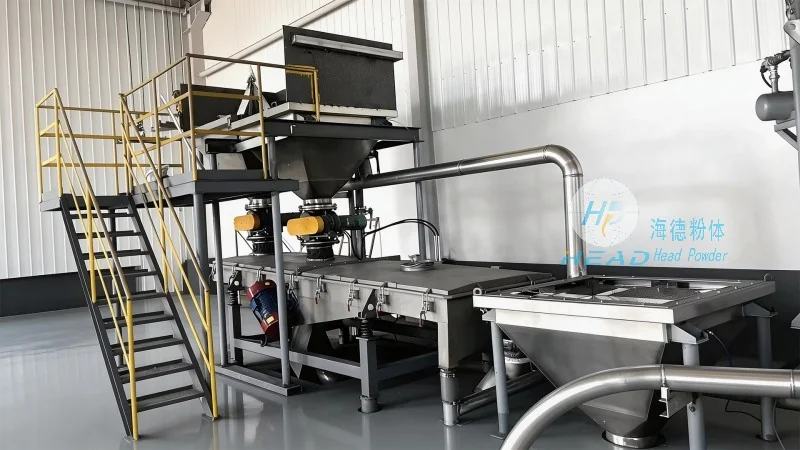
HeadPowder has successfully implemented numerous air-pneumatic conveying systems for phenolic resin powder in various industrial applications. One notable project involved a client in the automotive industry, where the system was designed to transport phenolic resin powder from storage silos to processing lines over a distance of 200 meters. The system, utilizing positive pressure technology and stainless steel components, achieved a conveying rate of 10 tons per hour with minimal pressure loss. The client reported significant improvements in operational efficiency and reduced maintenance costs compared to traditional handling methods. This success highlights the importance of careful system design and the expertise of HeadPowder in addressing the unique challenges of phenolic resin powder handling.
Conclusion
Designing an effective air-pneumatic conveying system for phenolic resin powder requires a comprehensive approach that considers system type, equipment selection, pipeline design, control systems, and safety measures. By addressing these critical design points, engineers can ensure the system operates efficiently, reliably, and safely. Shandong HeadPowder Engineering Co., Ltd. leverages its expertise and industry experience to provide tailored solutions that meet the specific needs of clients, delivering high-performance air-pneumatic conveying systems for phenolic resin powder applications.




