HeadPowder, a leading enterprise in pneumatic conveying technology, specializes in the design, manufacturing, and application of steel sand pneumatic conveying systems. Headquartered in Shandong, China, the company has built a reputation as a reliable partner for industries requiring efficient and safe material handling solutions. This article provides an in-depth look at the various types, key features, and typical application ranges of steel sand pneumatic conveying systems, offering valuable insights for professionals in the field.
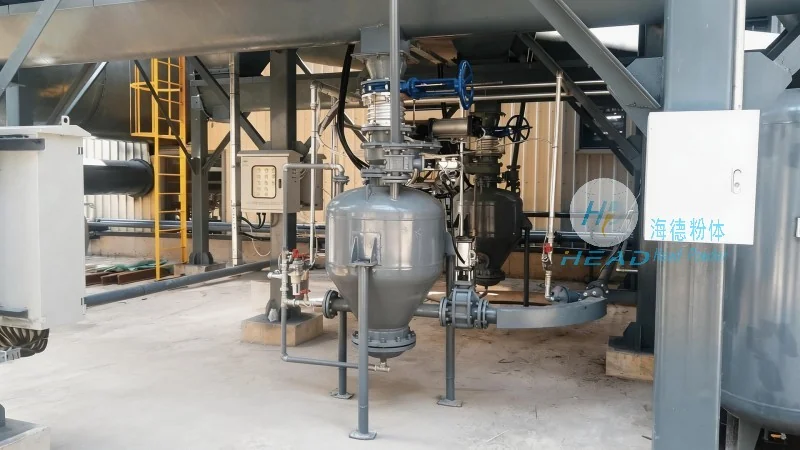
About HeadPowder: A Trusted Provider of Pneumatic Conveying Solutions
HeadPowder, formally known as Shandong HeadPowder Engineering Co., Ltd., is based in Shandong, China. The company has dedicated itself to advancing pneumatic conveying technologies for many years, focusing on developing high-performance systems tailored to the unique needs of industrial applications. With a strong commitment to quality, innovation, and customer satisfaction, HeadPowder has established itself as a trusted name in the industry, delivering customized solutions that enhance operational efficiency and safety.
Types of Steel Sand Pneumatic Conveying Systems
Steel sand pneumatic conveying systems are classified based on the pressure differentials used to transport materials. The two main categories are positive pressure systems and negative pressure systems. Each type has distinct operational characteristics and is suited to different scenarios.
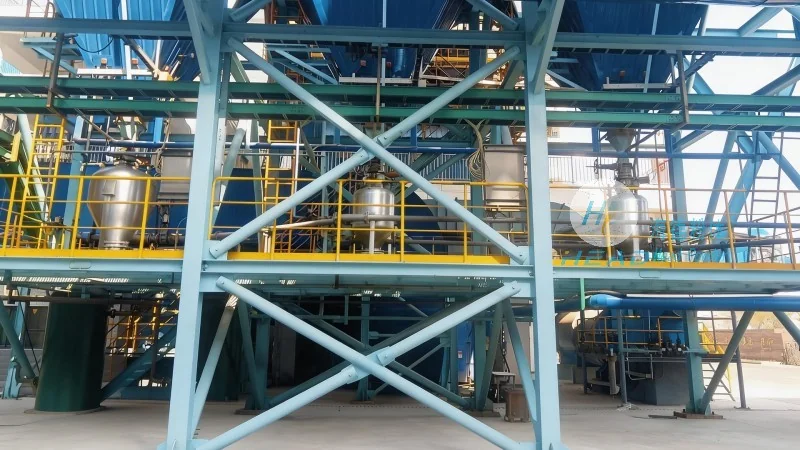
Positive Pressure Pneumatic Conveying
Positive pressure systems operate by blowing air or gas into the conveying line, creating a pressure higher than the ambient environment. This method is effective for long-distance transport and complex system layouts. The high pressure ensures consistent material flow and can handle abrasive materials like steel sand with minimal wear on components. Positive pressure systems are often preferred in applications where dust control and material containment are critical, as they prevent emissions from escaping the system.
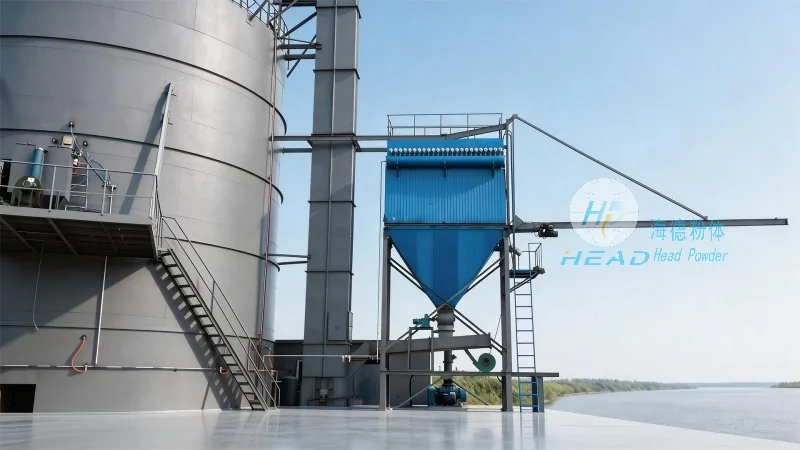
Negative Pressure Pneumatic Conveying
Negative pressure systems, or vacuum systems, operate by creating a vacuum in the conveying line to draw material from the source. This approach is ideal for collecting materials from multiple points or for handling materials sensitive to pressure changes. Negative pressure systems are commonly used in environments where minimizing dust emission is essential, as the vacuum pulls material into the system rather than expelling it. However, they may have limitations in terms of distance and system complexity compared to positive pressure systems.
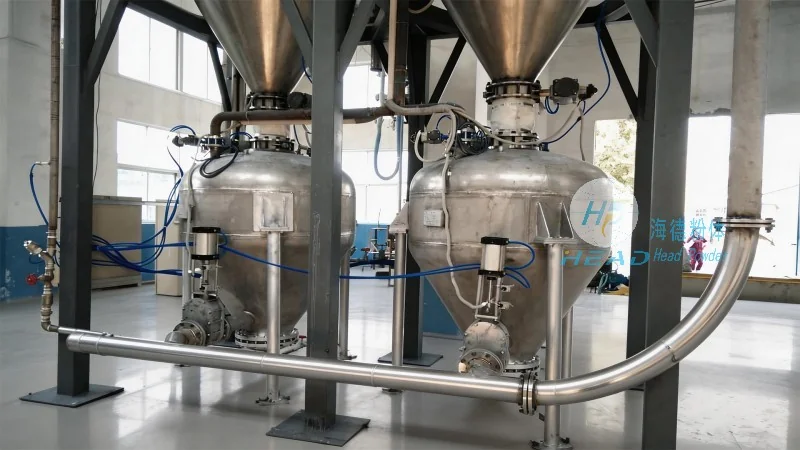
Key Features of Steel Sand Pneumatic Conveying
Steel sand pneumatic conveying systems offer several advantages that make them suitable for demanding industrial applications. These features include high efficiency in material transport, reduced labor costs due to automated operation, and enhanced safety by minimizing direct handling of abrasive materials. The systems are engineered to withstand the hardness and abrasiveness of steel sand, with durable components that resist wear and tear over time. Modern systems also incorporate advanced control technologies, allowing for precise regulation of flow rates and pressure, which improves overall performance and reduces energy consumption.
Common Applications of Steel Sand Pneumatic Conveying
Steel sand pneumatic conveying systems are widely utilized in various industrial sectors where the efficient transport of abrasive materials is essential. Common applications include foundries and metalworking facilities, where steel sand is used for casting and finishing processes. The systems are also employed in construction material processing plants, where steel sand is a raw material for concrete and other building materials. In addition, steel sand pneumatic conveying is used in recycling and waste management operations, where the material needs to be transported from collection points to processing facilities. The versatility of these systems allows them to adapt to different production scales and operational environments, making them a preferred choice for industries requiring reliable material handling solutions.




