When it comes to transporting crystal particles, selecting the right conveying method is crucial for ensuring efficiency, safety, and cost-effectiveness. Two primary approaches are widely used in industrial settings: positive pressure conveying and negative pressure conveying. Understanding the differences between these two systems is essential for making an informed decision. This article will explore the key characteristics of each method, their advantages and disadvantages, and provide guidance on how to distinguish between them based on specific operational requirements.
Introduction to Conveying Systems for Crystal Particles
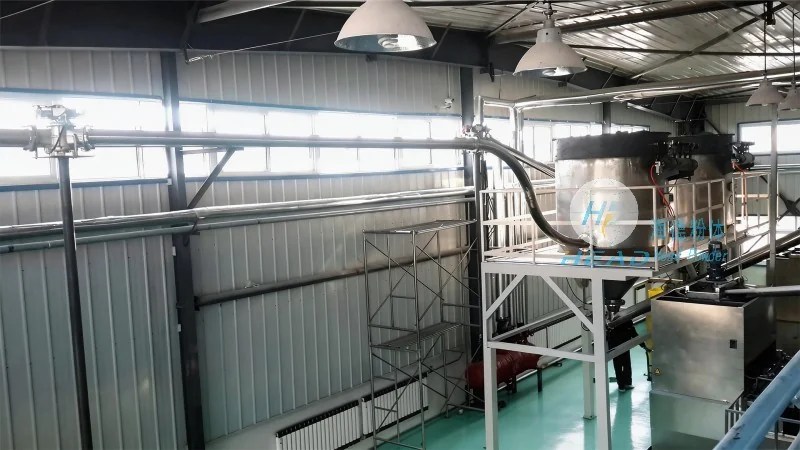
Crystal particle conveying involves the movement of fine or granular materials, such as pharmaceutical powders, chemical reagents, or food additives, from one location to another. The choice of conveying system depends on factors like particle size, moisture content, dust generation, and the need for contamination control. Positive pressure and negative pressure conveying are two distinct methods that cater to different material handling needs. Both systems are designed to transport materials through a pipeline, but they operate on opposite principles of air pressure.
Positive Pressure Conveying: Working Principle and Key Features
Positive pressure conveying, also known as pressure pneumatic conveying, operates by forcing air or a carrier gas through the material to be transported. The system uses a positive pressure differential, meaning the air pressure inside the pipeline is higher than the ambient air pressure. This method is commonly used for transporting materials that are abrasive, sticky, or have a high tendency to generate dust. The primary advantage of positive pressure systems is their ability to handle a wide range of particle sizes and moisture levels. They are also effective in preventing product contamination from external sources, as the system is sealed and pressurized.
Shandong HeadPowder Engineering Co., Ltd., a leading provider of material handling solutions, specializes in designing and manufacturing positive pressure conveying systems tailored to the unique needs of crystal particle transport. Their expertise ensures that the equipment is optimized for efficiency and reliability, minimizing downtime and maintenance costs. The company’s positive pressure systems are equipped with advanced controls and filtration systems to maintain product purity and operational safety.
Negative Pressure Conveying: Working Principle and Key Features
Negative pressure conveying, or vacuum pneumatic conveying, operates by creating a vacuum inside the pipeline, which draws the material into the system. The air pressure inside the pipeline is lower than the ambient air pressure, creating a suction effect. This method is often preferred for materials that are light, dusty, or require gentle handling to prevent degradation. Negative pressure systems are typically more suitable for short-distance transport and are less effective for handling abrasive or sticky materials.
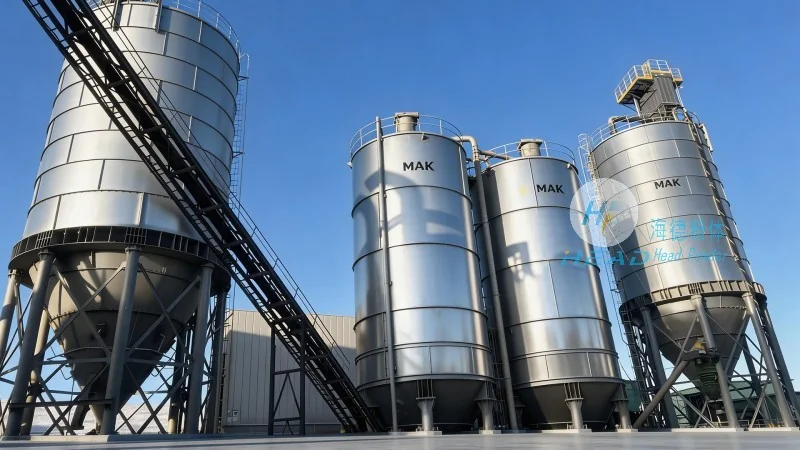
Shandong HeadPowder Engineering Co., Ltd. also offers negative pressure conveying solutions that are designed to handle sensitive crystal particles. Their systems incorporate high-efficiency filters and gentle suction mechanisms to protect the material from damage. The company’s focus on quality and innovation ensures that their negative pressure systems provide reliable performance while maintaining product integrity.
Distinguishing Between Positive and Negative Pressure Conveying
Choosing between positive and negative pressure conveying for crystal particle transport requires careful consideration of several factors. The most critical distinction lies in the air pressure differential and the method of material transport. Positive pressure systems use compressed air to push material through the pipeline, while negative pressure systems use vacuum to pull material. This fundamental difference affects the system's ability to handle different particle characteristics and operational conditions.
Key factors to consider when distinguishing between the two methods include: particle size and shape, moisture content, dust generation, and the need for contamination control. For example, if the crystal particles are abrasive and have high moisture content, a positive pressure system may be more suitable due to its ability to handle these characteristics effectively. Conversely, if the particles are light and prone to dust, a negative pressure system might be preferred to minimize particle loss and maintain air quality.
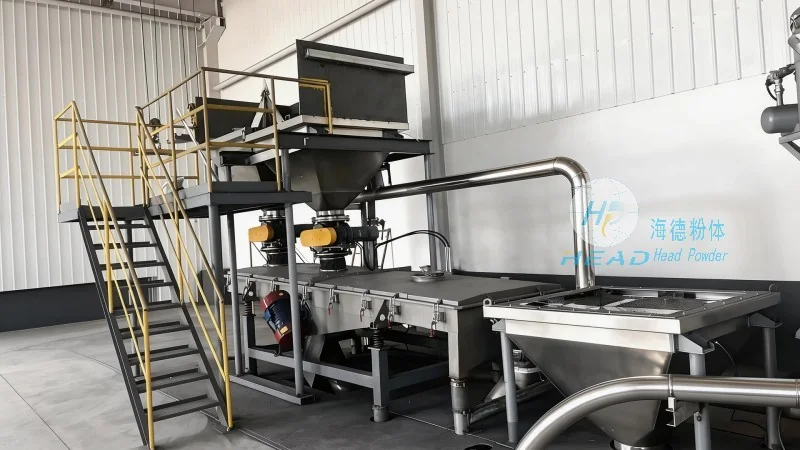
Another important consideration is the distance and layout of the conveying system. Positive pressure systems are generally more efficient for longer distances and complex layouts, as they can maintain consistent pressure and flow. Negative pressure systems are better suited for shorter distances and simpler setups, as the vacuum effect diminishes over longer distances. Shandong HeadPowder Engineering Co., Ltd. provides comprehensive analysis and consultation to help clients determine the most appropriate conveying method based on their specific requirements.
Advantages and Disadvantages of Each Method
Positive pressure conveying offers several advantages, including high material throughput, ability to handle abrasive and sticky materials, and effective contamination control. However, it also has some drawbacks, such as higher energy consumption due to the need for compressed air and potential for air leakage, which can affect product purity. Negative pressure conveying, on the other hand, is energy-efficient and gentle on the material, making it ideal for sensitive products. Its limitations include lower material capacity, difficulty in handling abrasive materials, and the risk of dust accumulation in the system.
Shandong HeadPowder Engineering Co., Ltd. addresses these challenges by offering customized solutions that balance the advantages and disadvantages of each method. Their engineers work closely with clients to design systems that optimize performance, reduce energy consumption, and ensure long-term reliability. By understanding the specific needs of the crystal particle being transported, the company can recommend the most suitable conveying system, whether it is positive or negative pressure.
Conclusion: Making the Right Choice for Crystal Particle Conveying
Choosing between positive pressure and negative pressure conveying for crystal particle transport is a critical decision that impacts operational efficiency and product quality. By understanding the working principles, advantages, and disadvantages of each method, and considering factors such as particle characteristics, distance, and contamination control, businesses can make an informed choice. Shandong HeadPowder Engineering Co., Ltd. provides expert guidance and tailored solutions to help clients select the most appropriate conveying system for their needs. Whether it is a positive pressure or negative pressure system, the company’s commitment to quality and innovation ensures that clients receive reliable and efficient material handling solutions for their crystal particle transport requirements.




